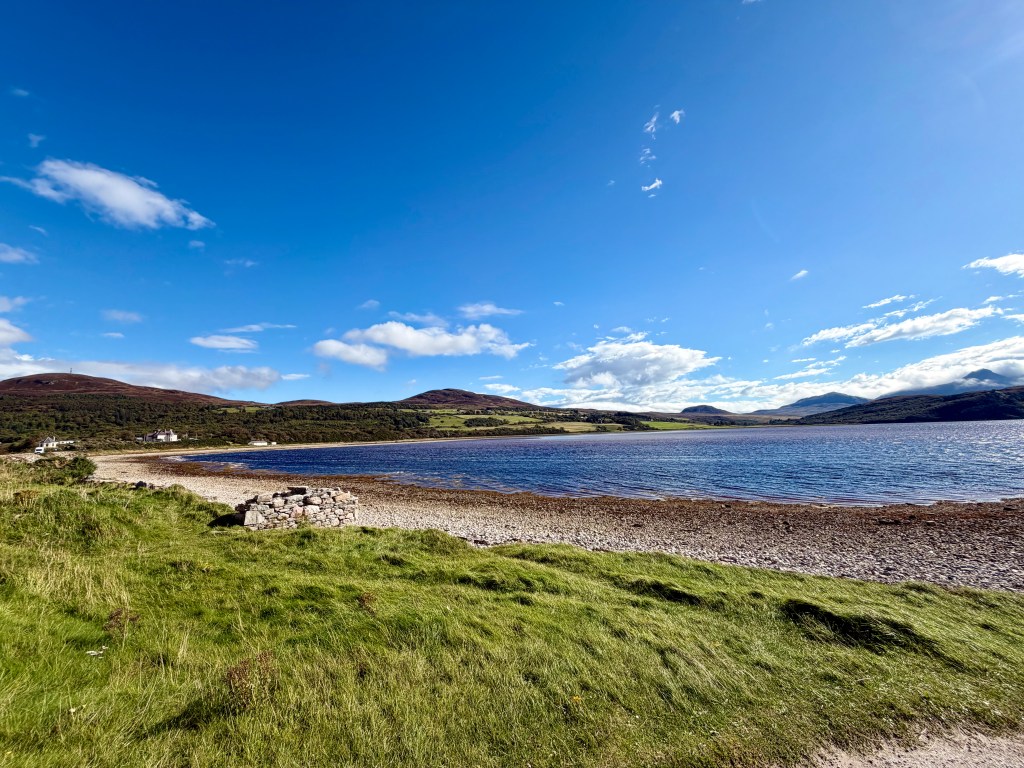
Started the morning with another fantastic Scottish breakfast (now becoming a tradition)! Before heading out, I checked the accommodation along the route. One of the problems I’m finding with the NC500 is the lack of accommodation, particularly as you get further north and onto the western side of Scotland. Because of this, today was going to be a long day, as I was effectively having to fit a day and a half — possibly even two days — into one!
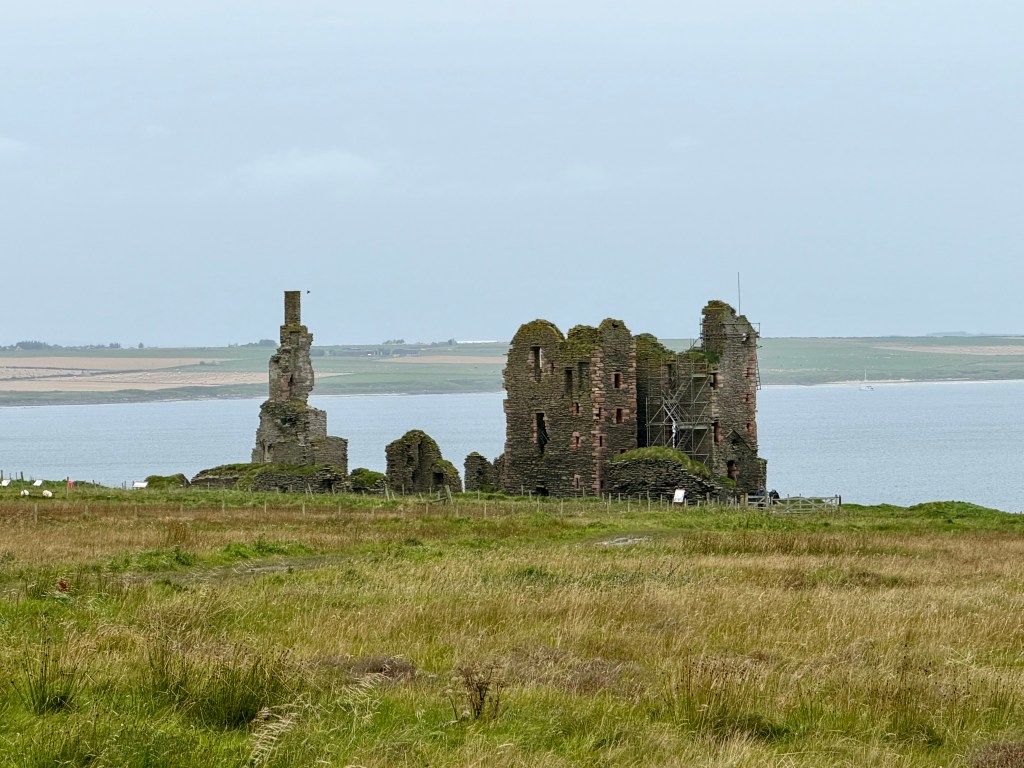
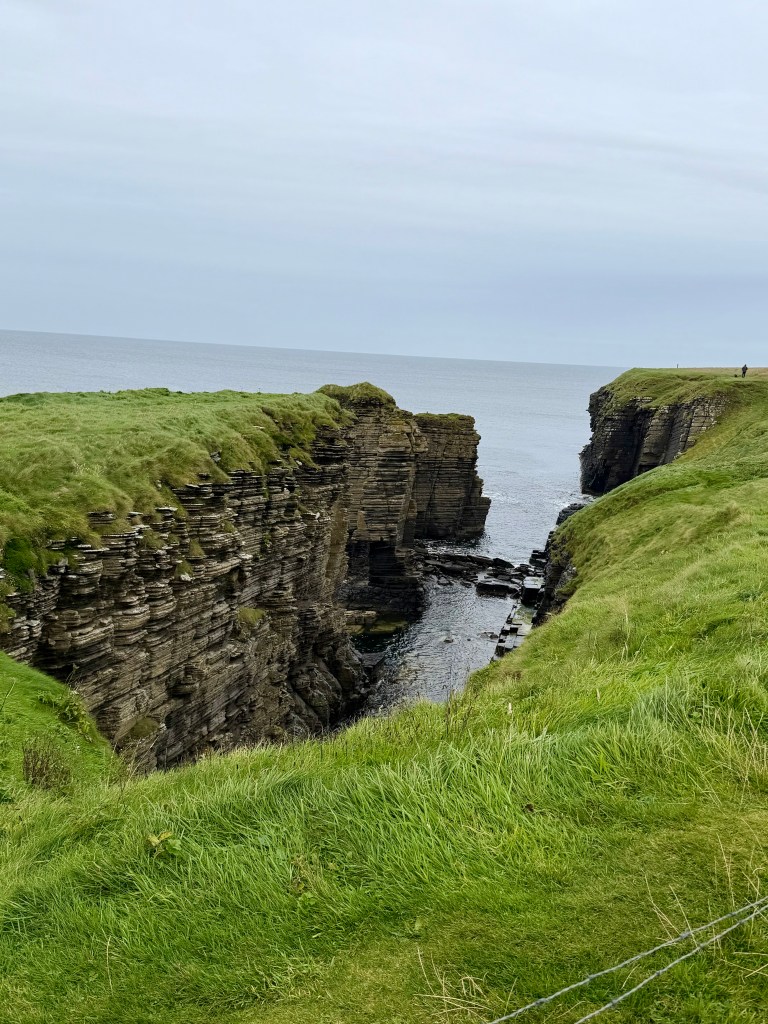
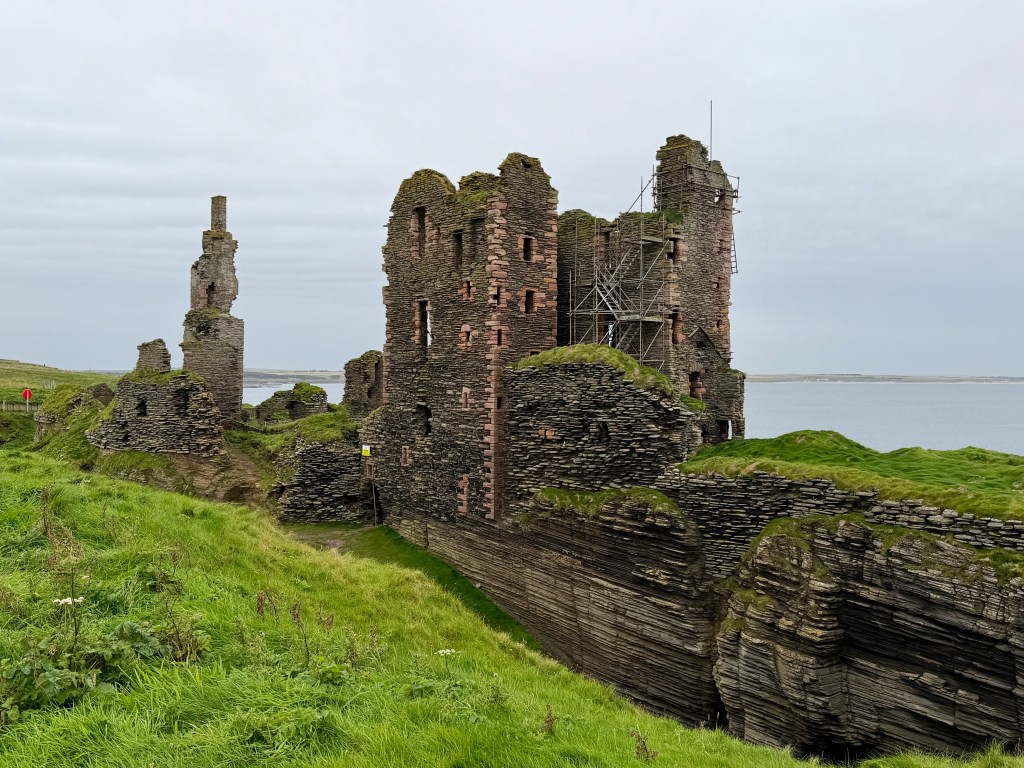
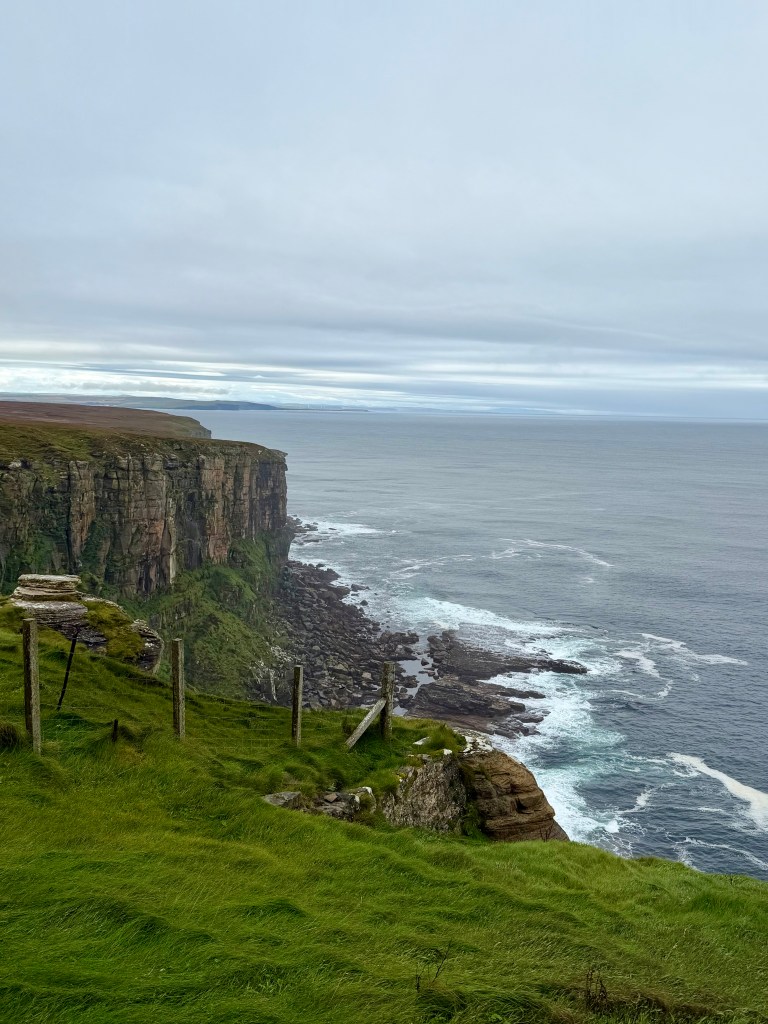
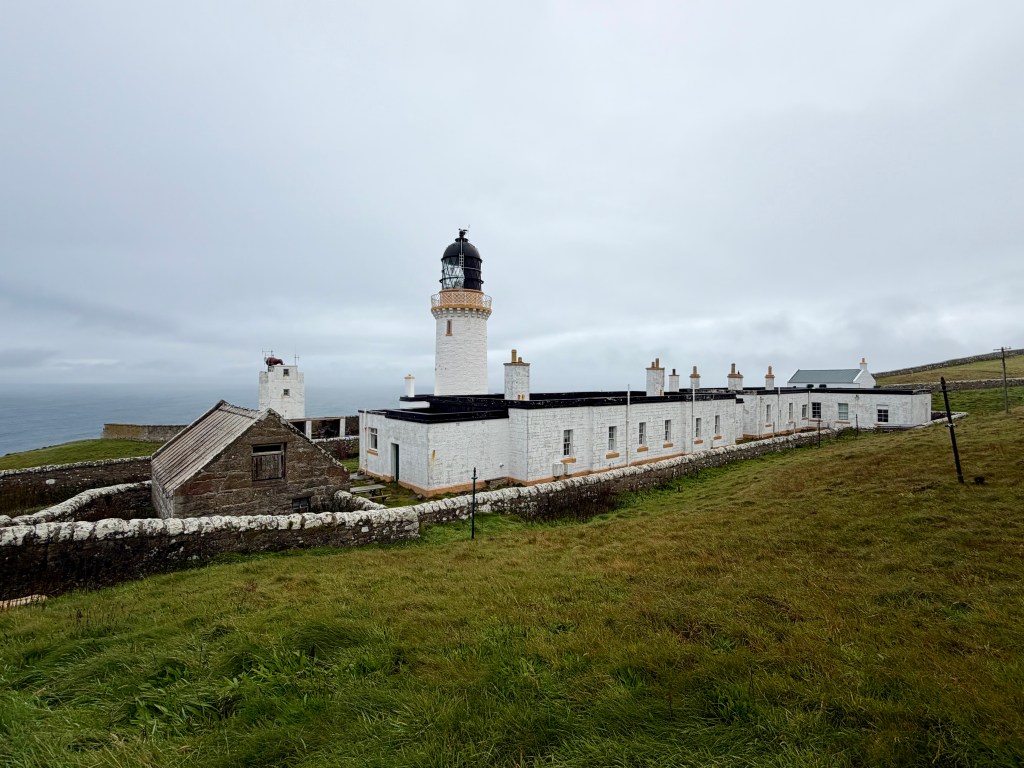
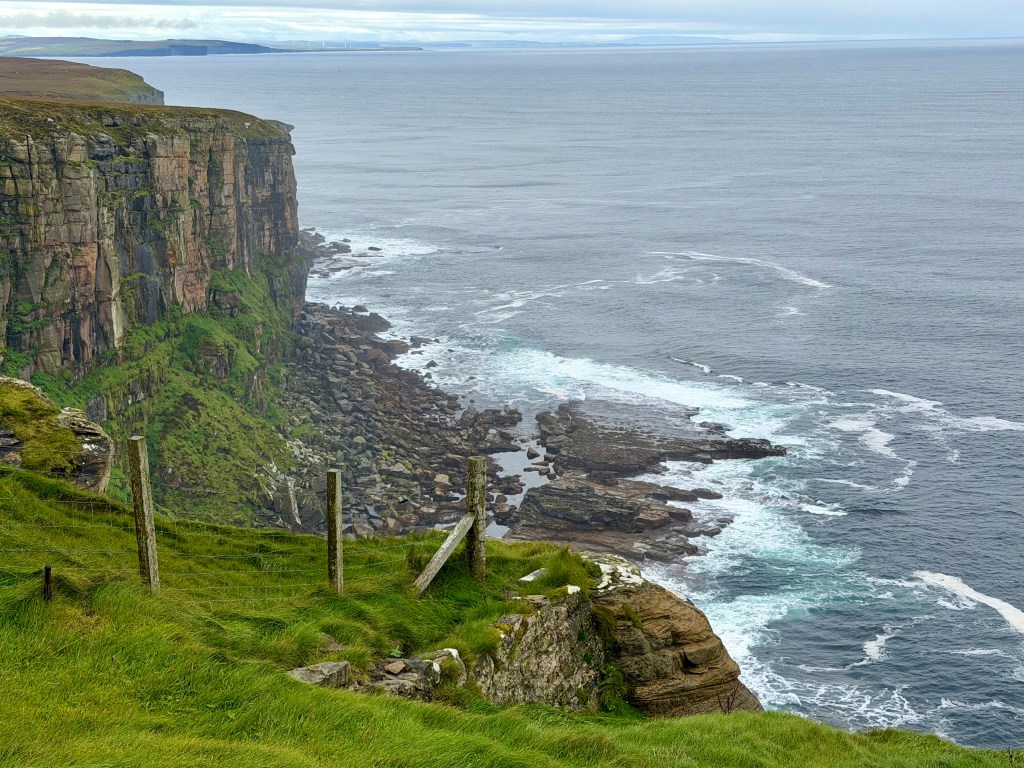
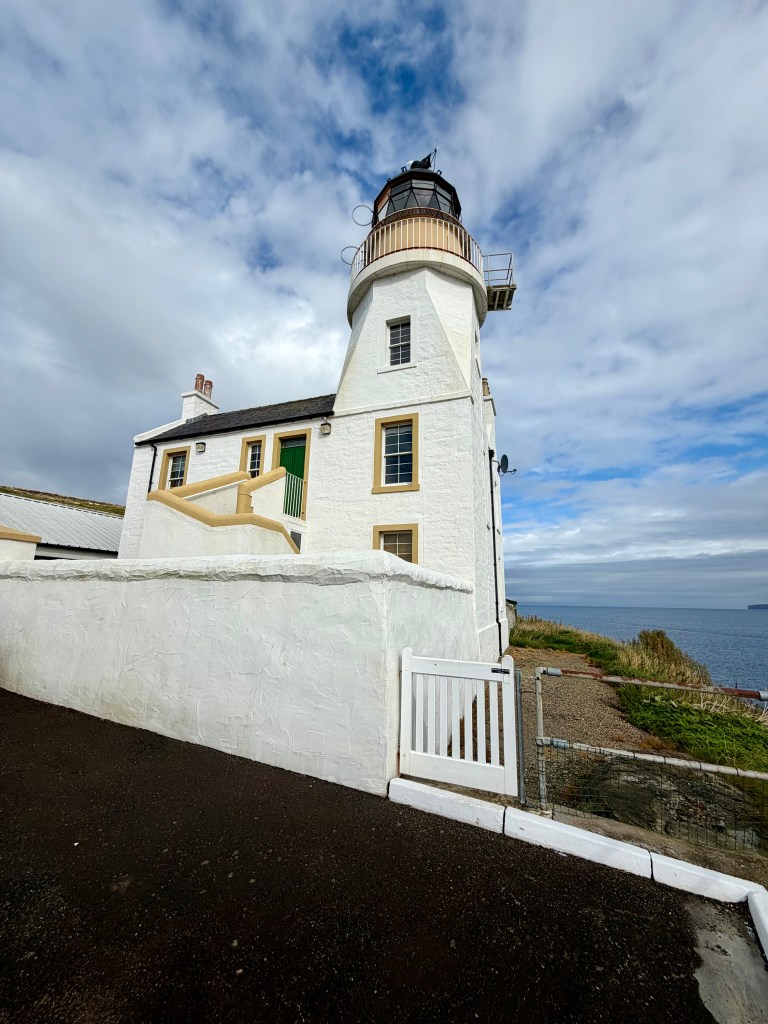
First stop was Duncansby Head, one of the most dramatic parts of the northern coastline. The headland is famous for its spectacular cliffs and the Duncansby Stacks, which rise dramatically from the sea. There’s also a lighthouse sitting out on the exposed headland, surrounded by some pretty impressive scenery. Unfortunately, the weather wasn’t playing ball. It was wet and extremely windy, especially on the exposed headland. Even so, it was still well worth the visit. I can only imagine how spectacular it must be on a clear day when you can properly appreciate the coastline and the views across the Pentland Firth.
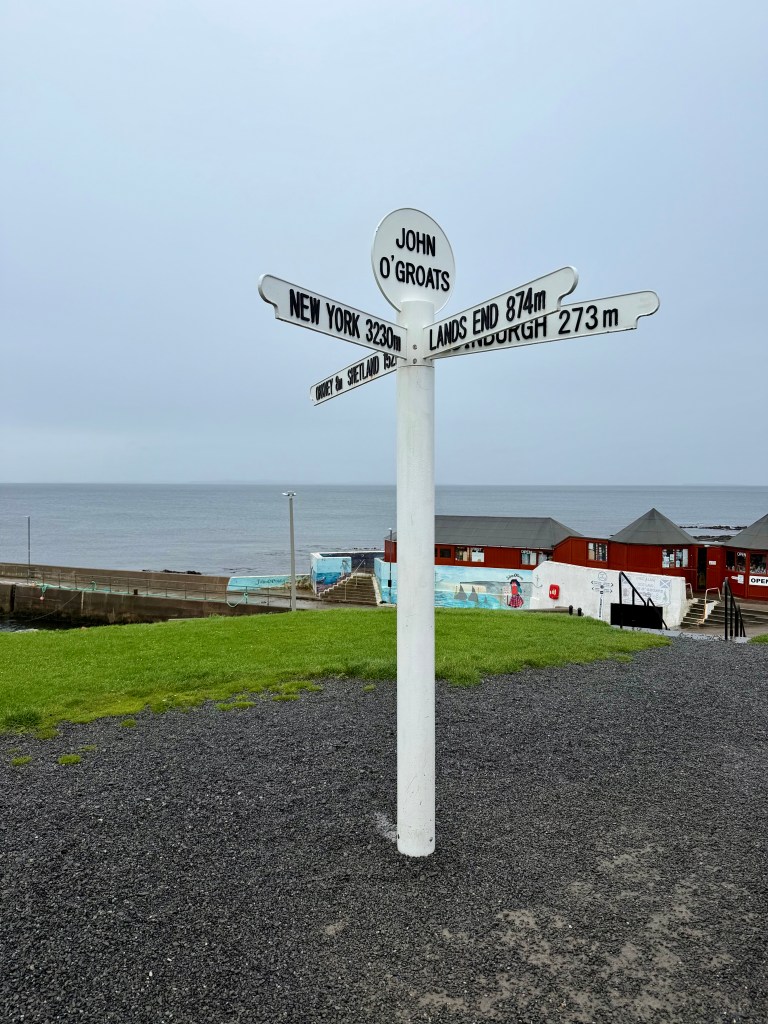
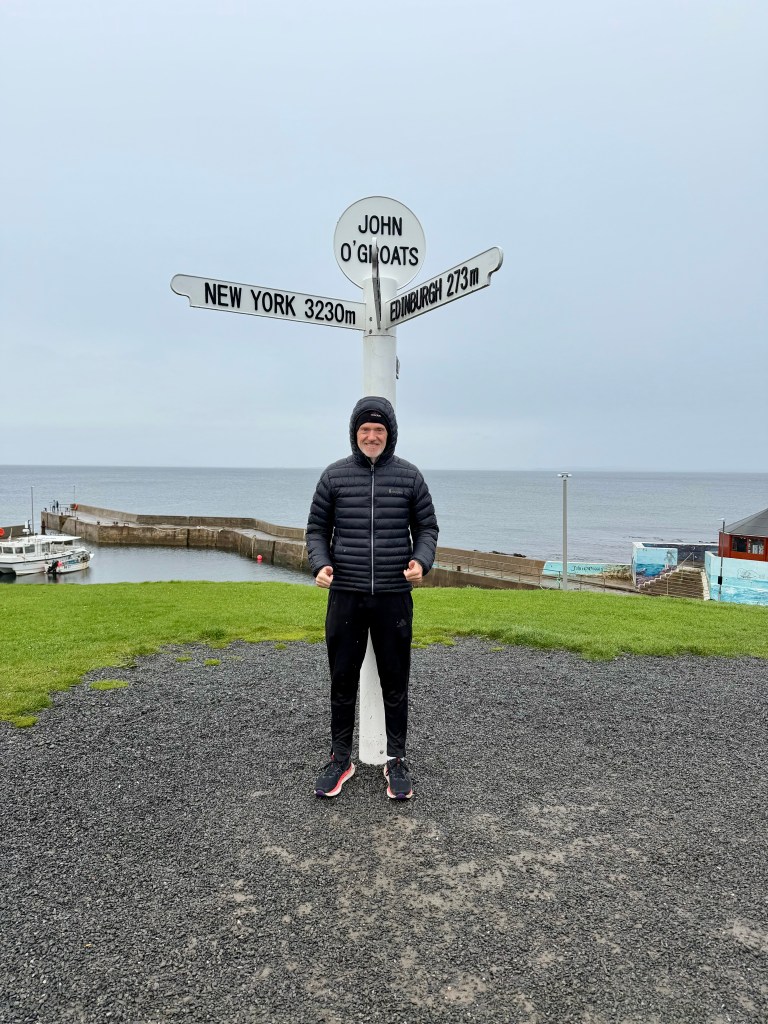
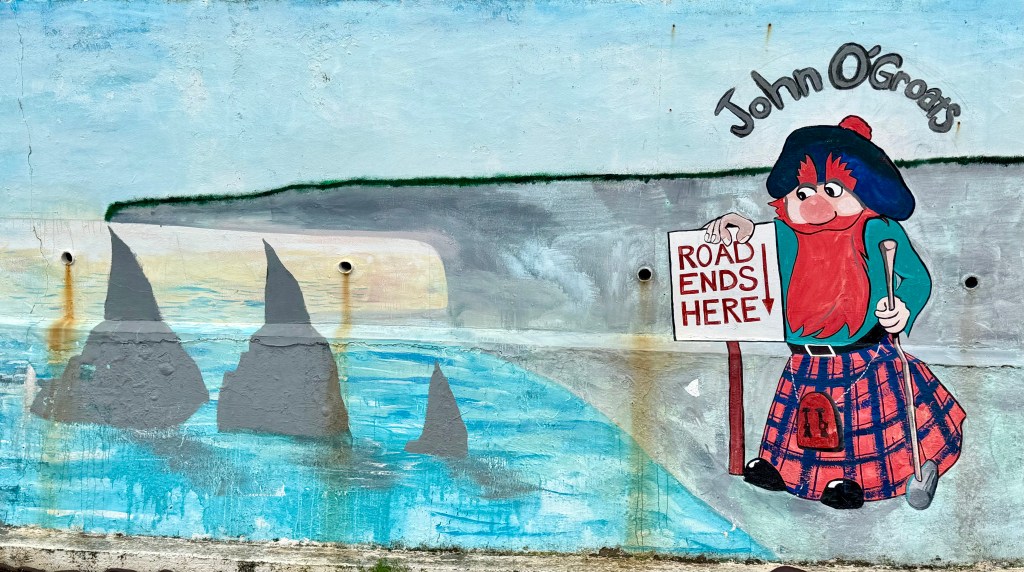
From Duncansby Head I headed to John O’Groats, probably the most famous stop on this part of the NC500. It’s traditionally regarded as the northern end of the famous Land’s End to John O’Groats journey and attracts cyclists, walkers and motorists from all over the country.
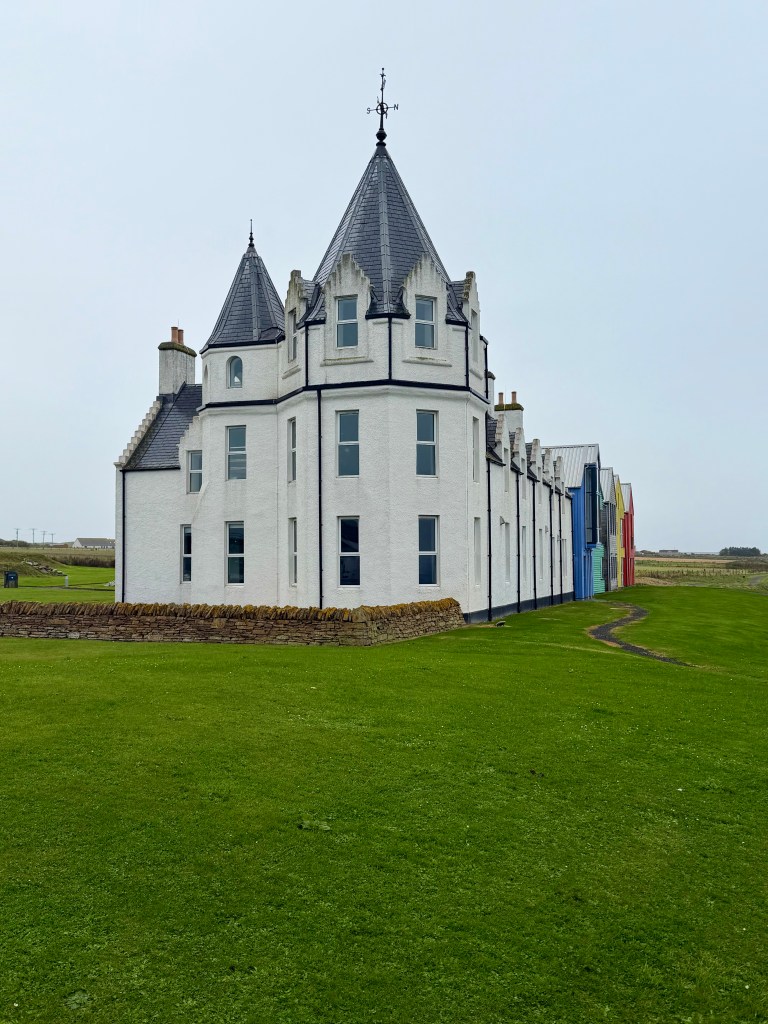
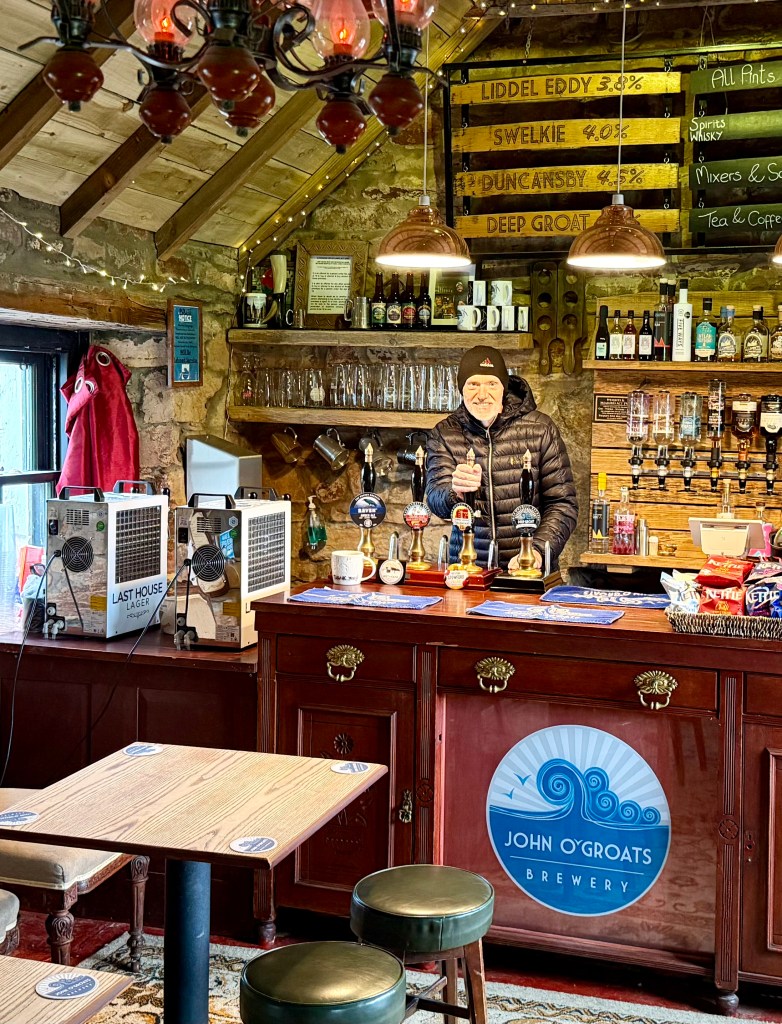
I had a great chat with one of the local brewers, who had opened a bar at John O’Groats in an old distillery building. Even the locals use the bar, so you know the beer must be good! Unfortunately, I was passing through at about 10:30 in the morning, which was a little too early for me to sample the local brew. Probably just as well, considering I still had a lot of driving ahead of me. Before I left, he told me an interesting fact. The fastest ever time from John O’Groats to Lands End (603 miles) was 46 minutes. A feat completed in a RAF fighter jet with 140 kt tailwind! Impressive! He plans to invite the pilots to the brewery next year to celebrate.
Dunnet Head, the true northernmost point of mainland Britain was my next stop. It feels much more remote than John O’Groats, with cliffs dropping down towards the sea and, on a clear day, views towards the Orkney Islands. Thankfully, the weather was beginning to clear as I reached the most northerly point. It was a welcome change after the rain and wind earlier in the morning.
While I was there, I met a guy who had hand-cycled all the way from Lizard Point in the far south of England. All the way from one end of the UK to the other, under his own arm power. He must be even crazier than I am!
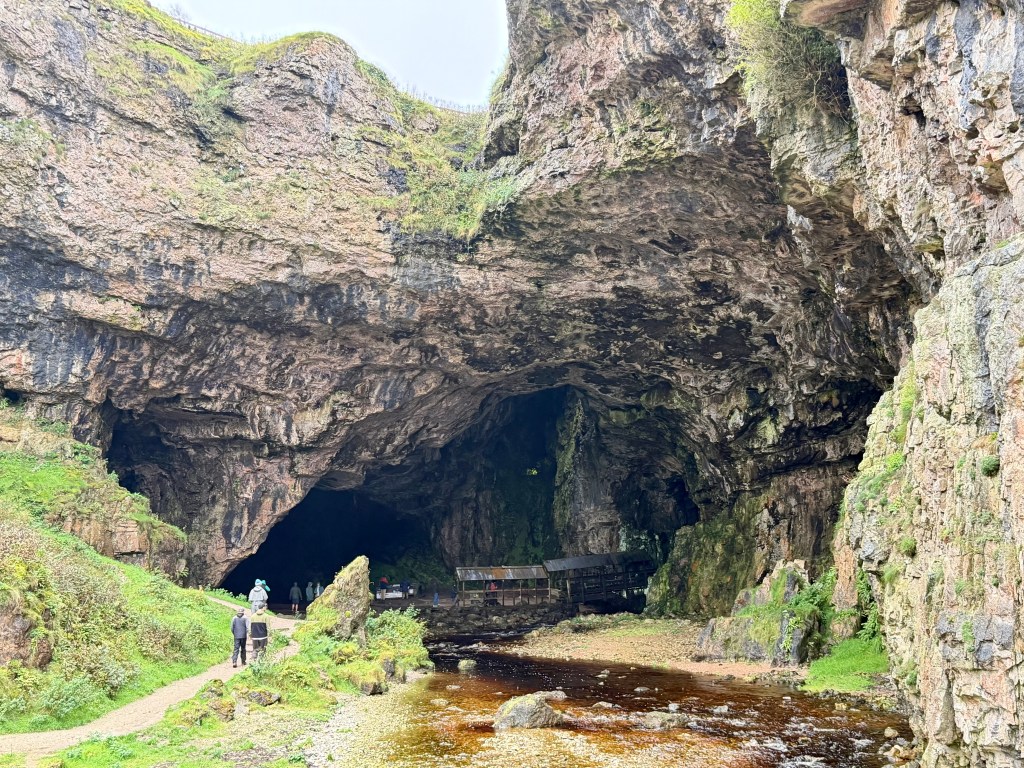
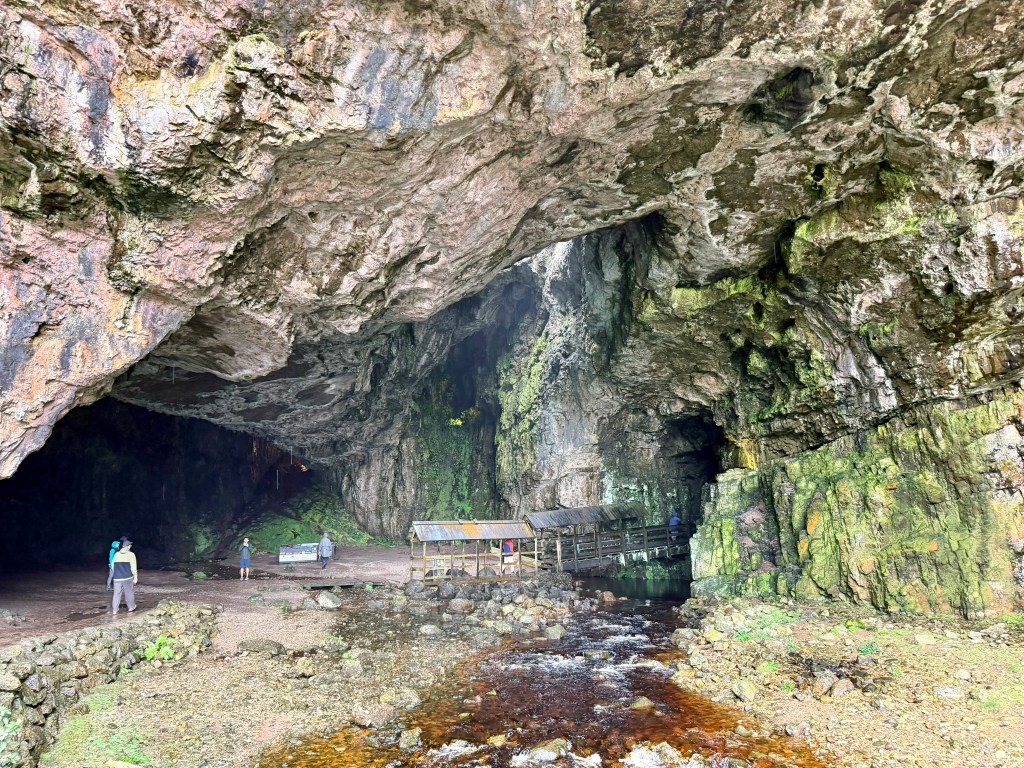
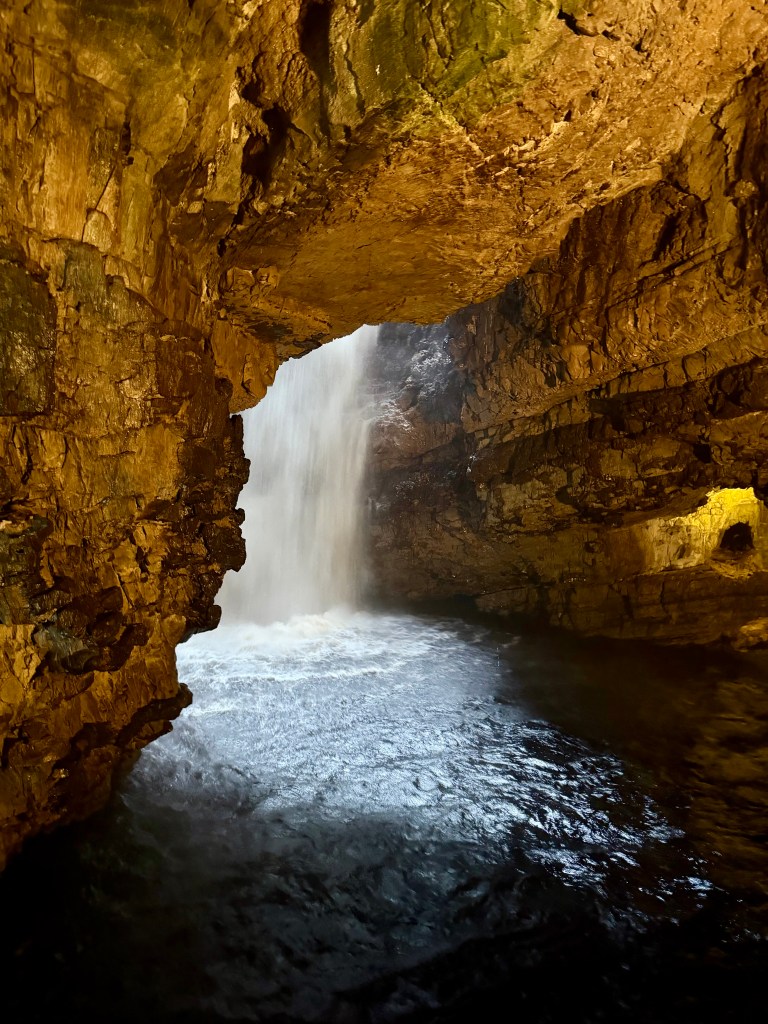
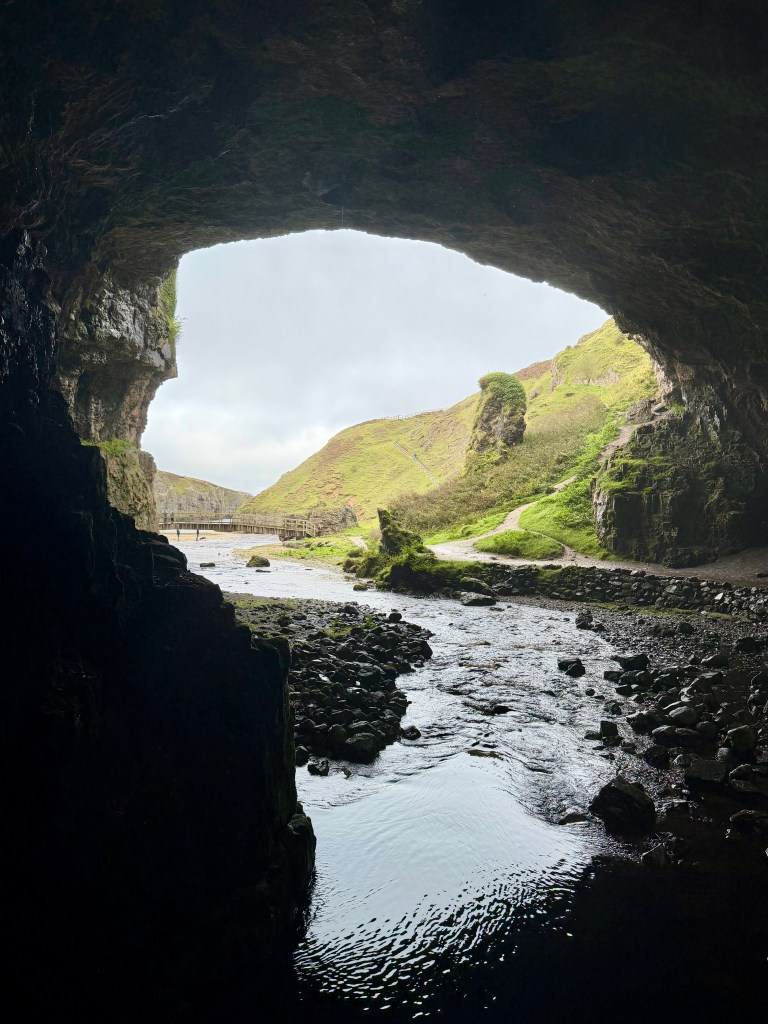
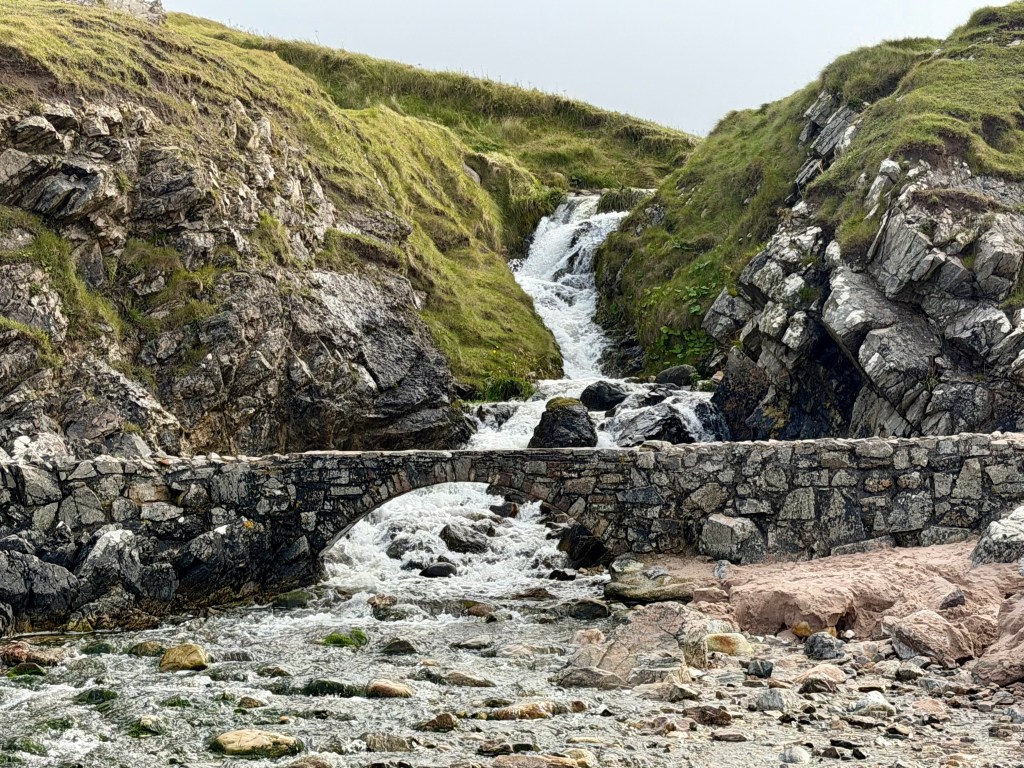
I continued west towards Smoo Cave near Durness. This was another fantastic stop. Smoo Cave is a huge natural sea cave, with an enormous entrance carved into the limestone cliffs. It had obviously been raining heavily because the amount of water coming through the cave was unbelievable. The waterfall inside was absolutely immense, and the conditions were so bad that the usual tours into the cave had been closed.
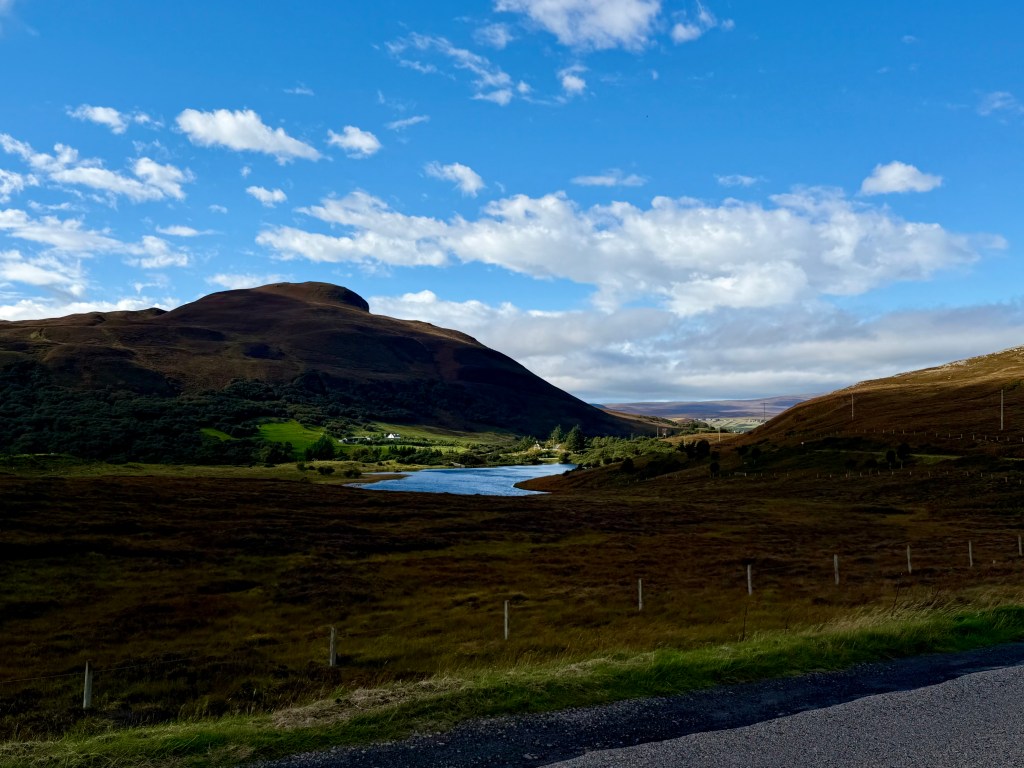
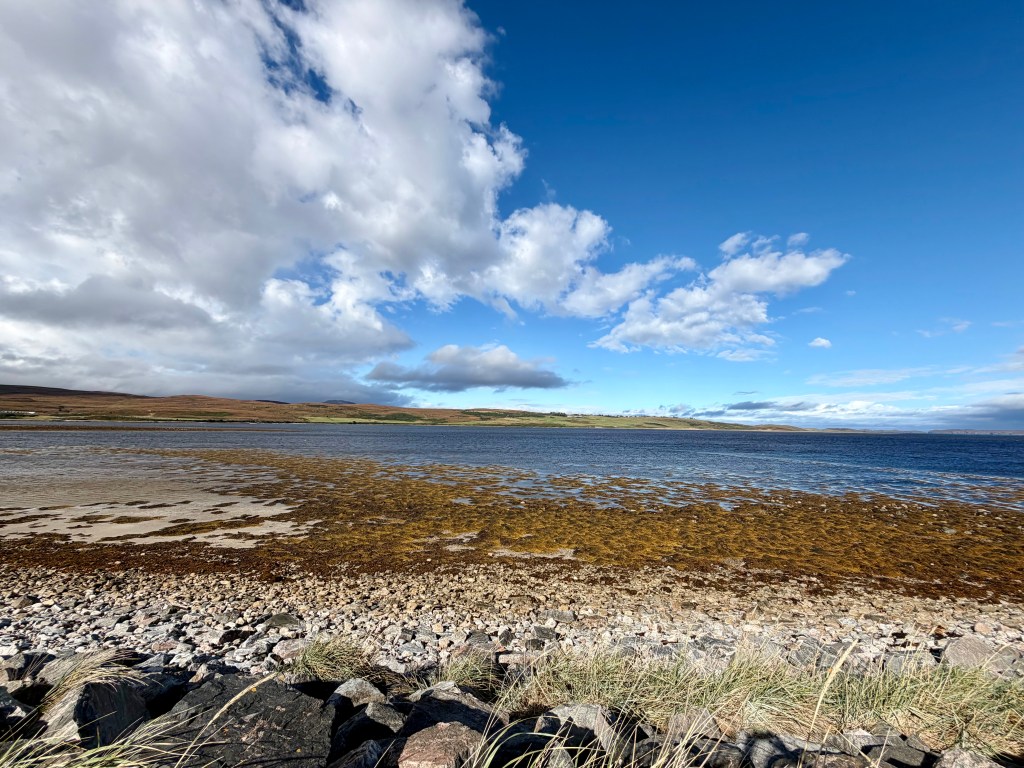
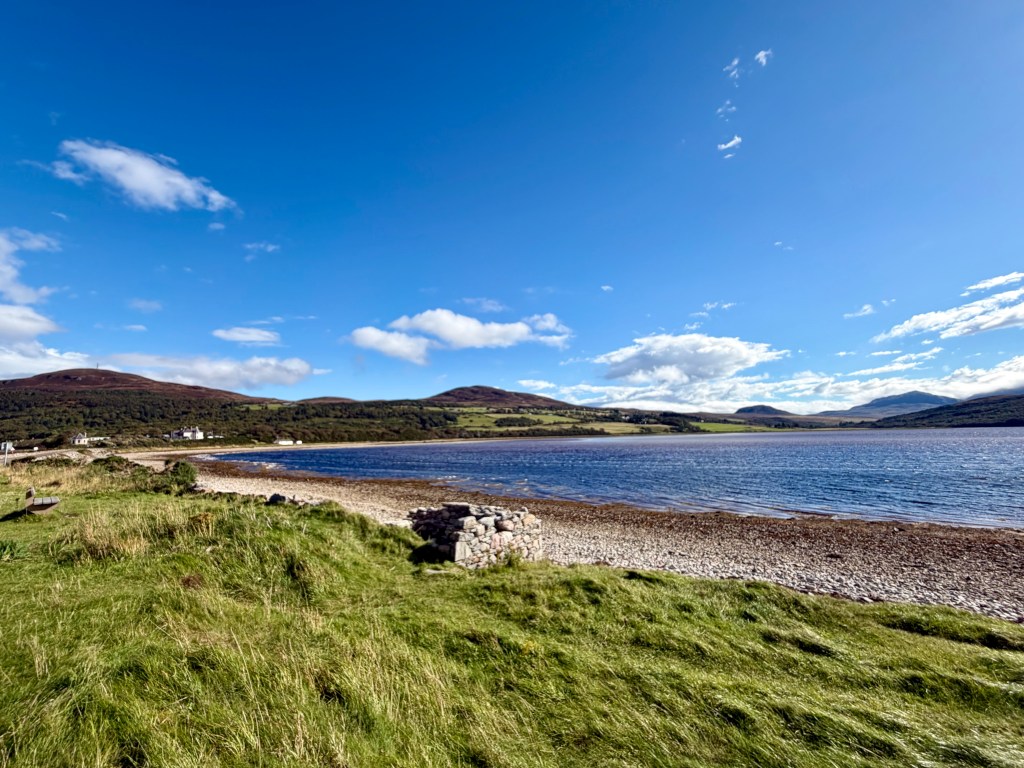
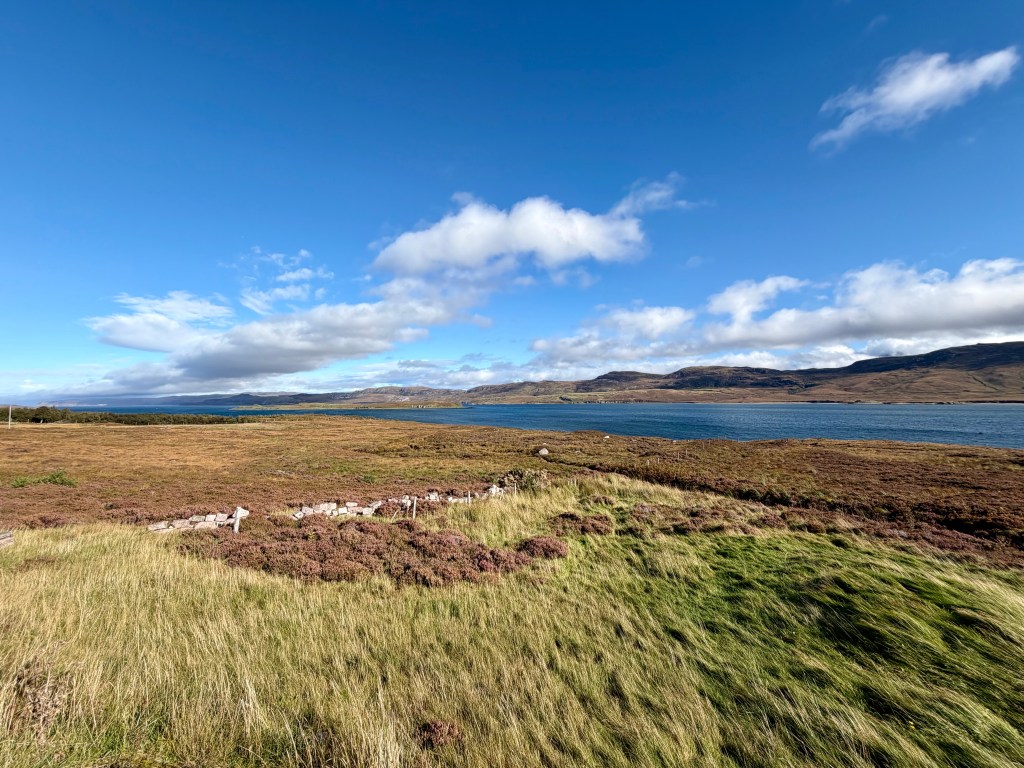
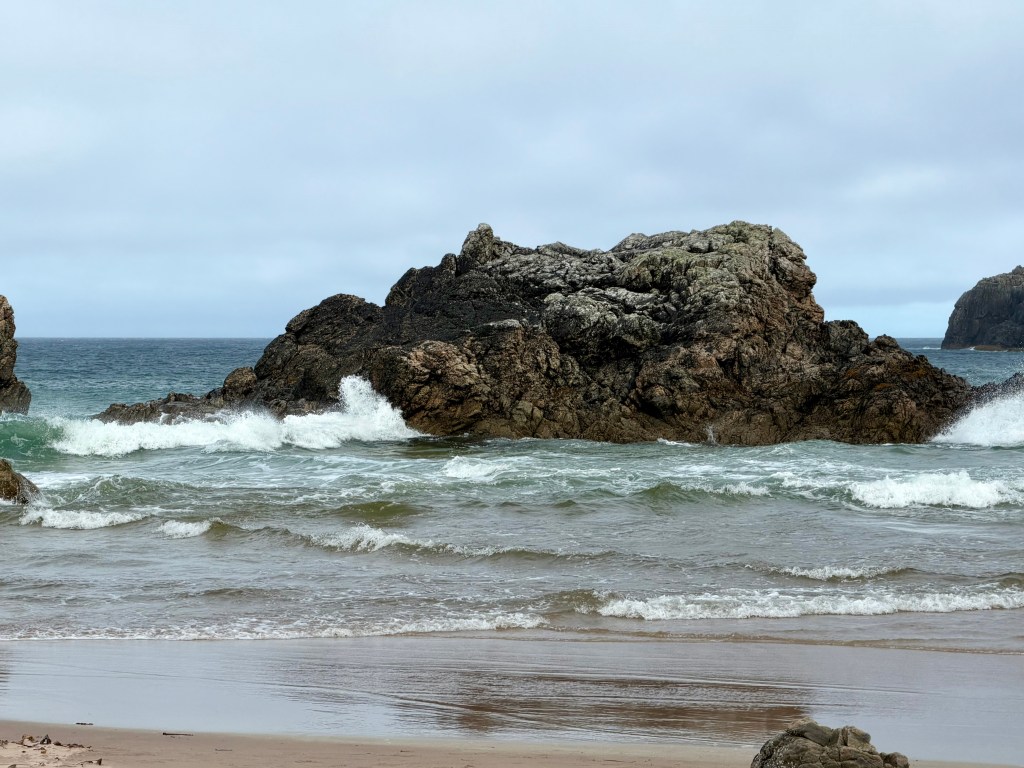
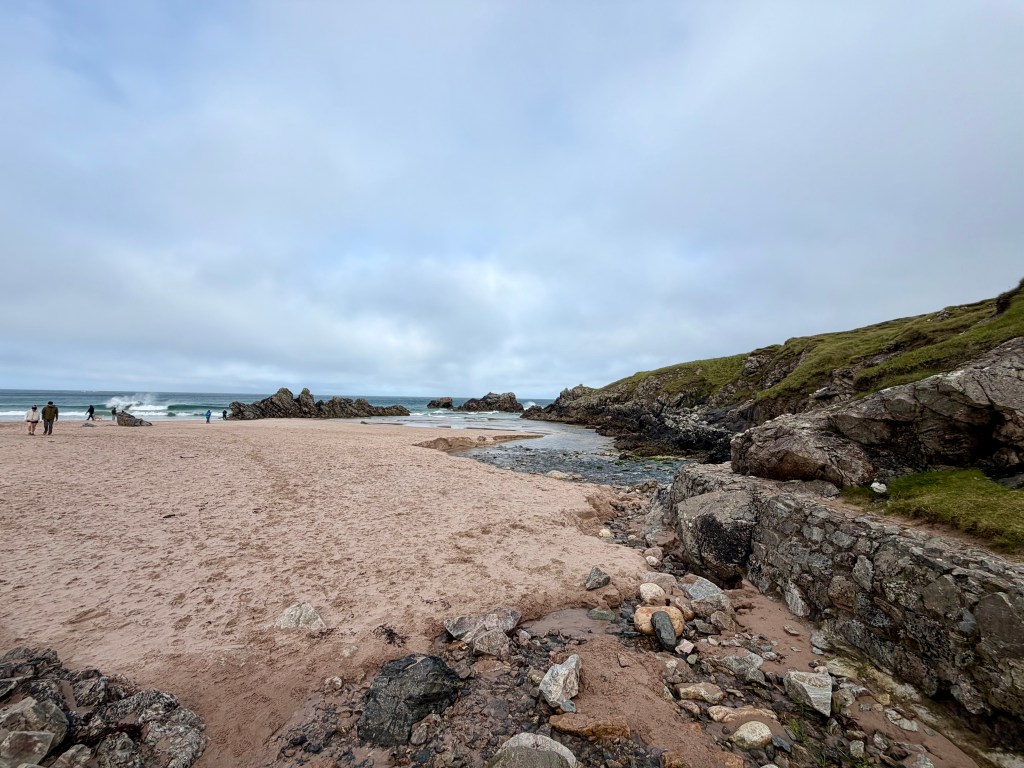
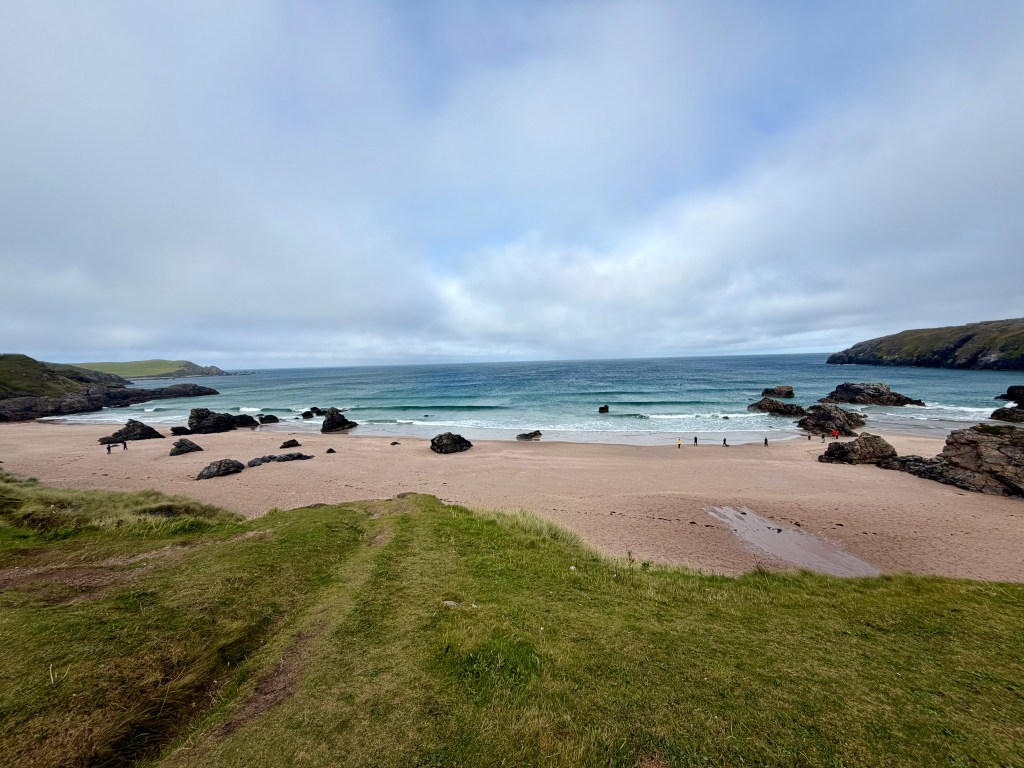
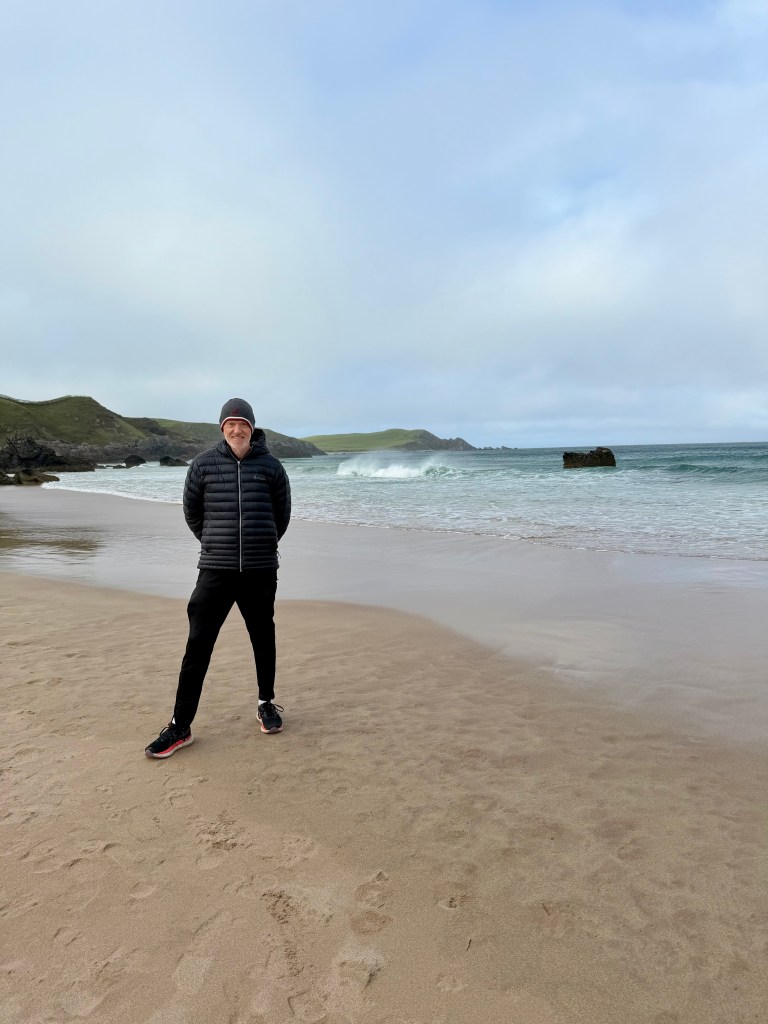
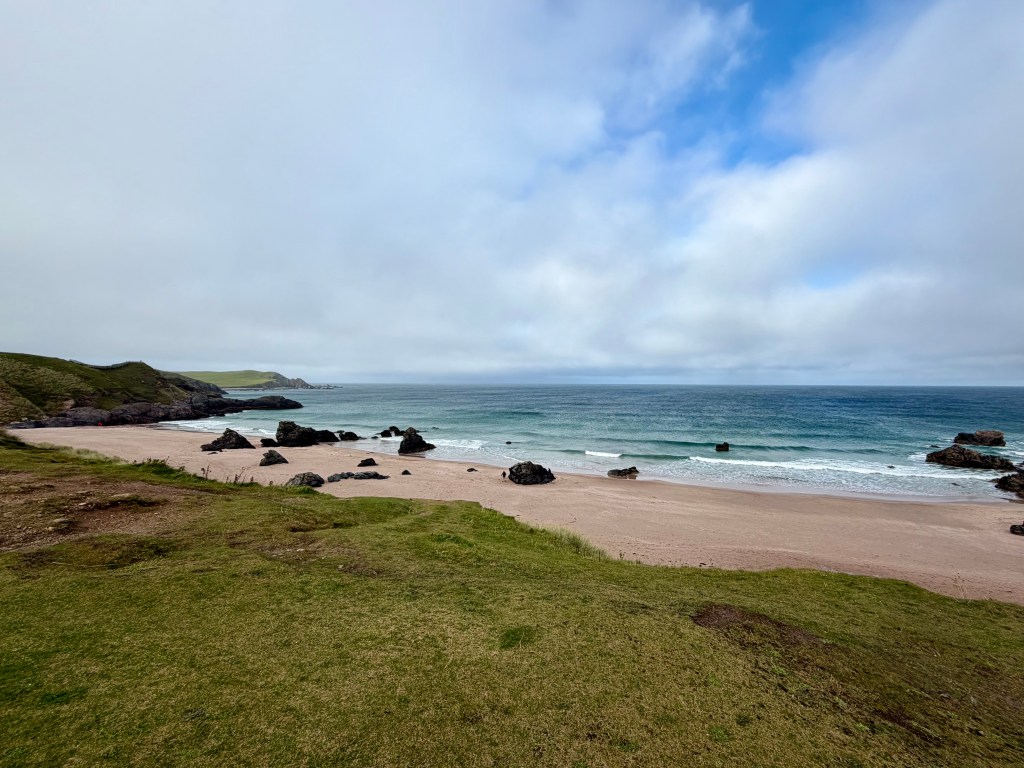
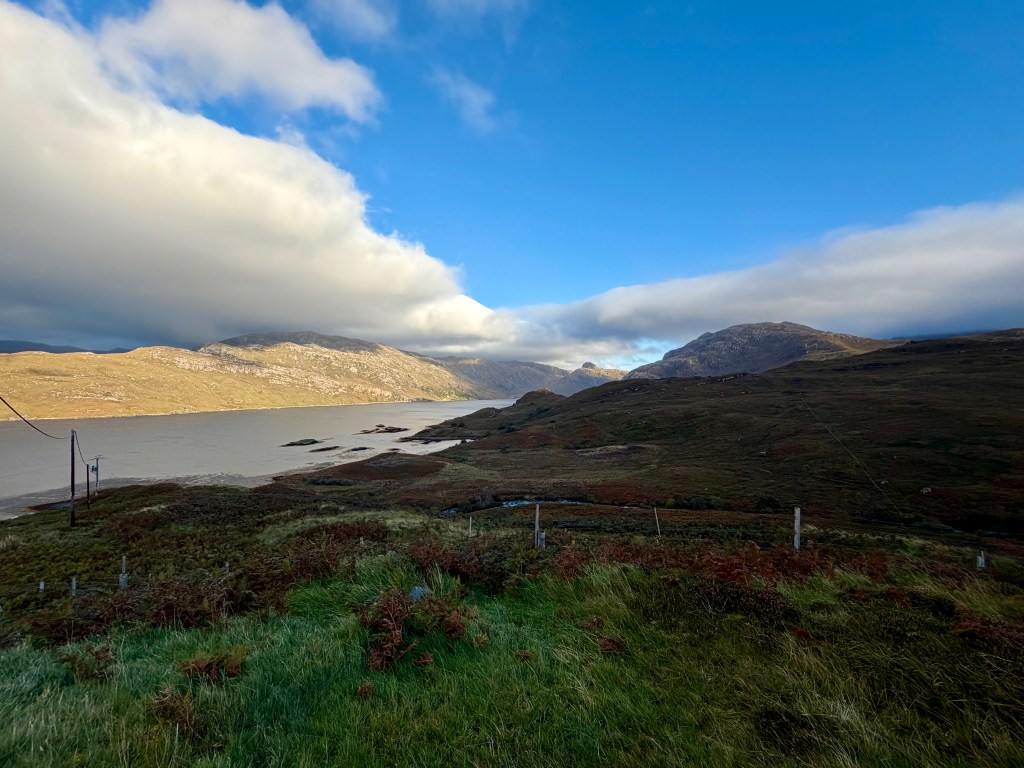
Even without being able to take the tour, it was still an impressive sight. The sheer size of the cave, combined with the noise and volume of the water, made it quite an experience. Further along the coast I pulled off the road again to take a look at Sango Beach. What a beautiful place. The beach sits beneath dramatic cliffs, with clear water and golden sand. It almost looked tropical — although the wind and temperature soon reminded me that I was definitely still in Scotland! By now the weather was really starting to improve, which made the drive west even more enjoyable. The scenery just seemed to get better and better as I headed towards Kylesku.
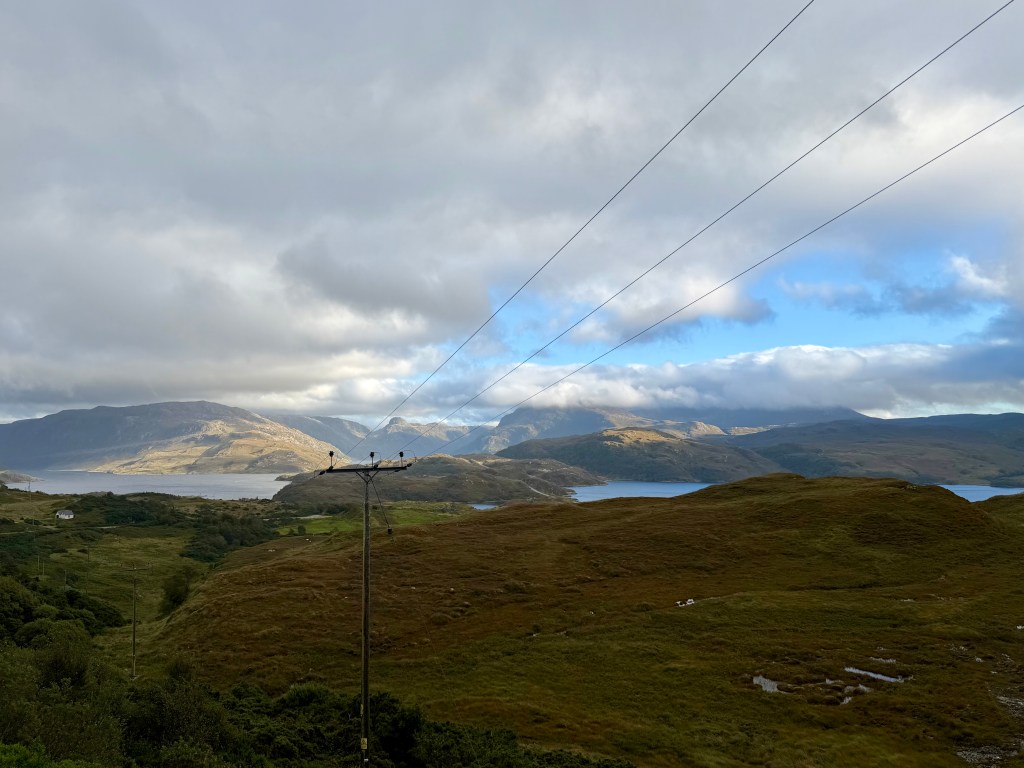
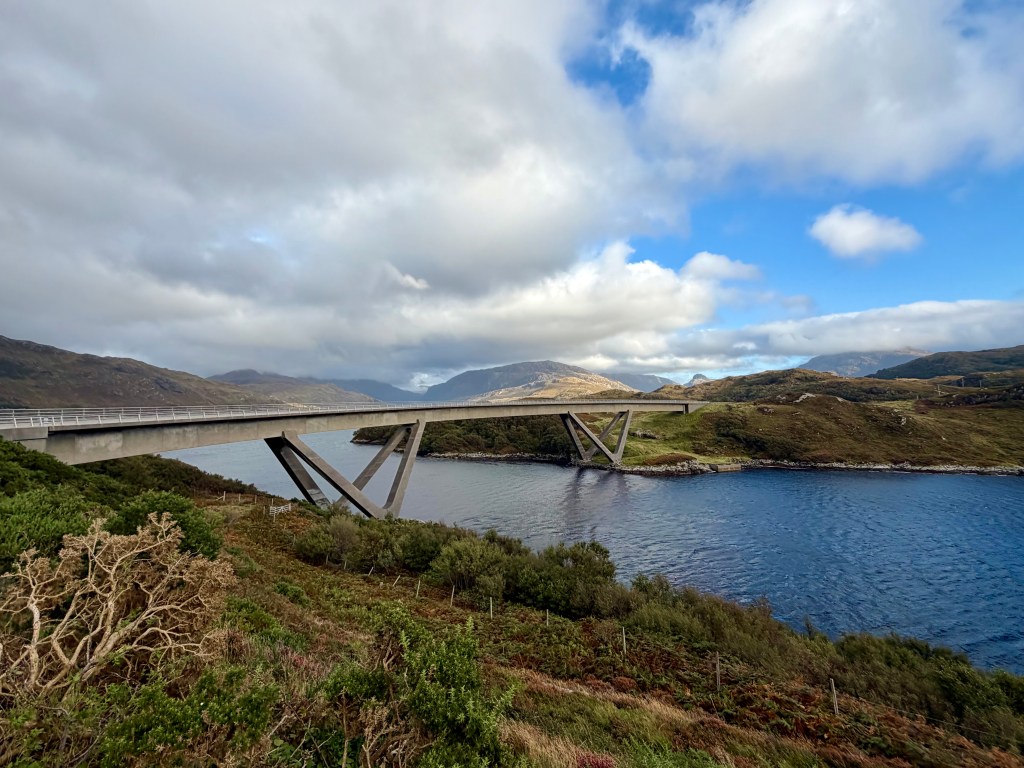
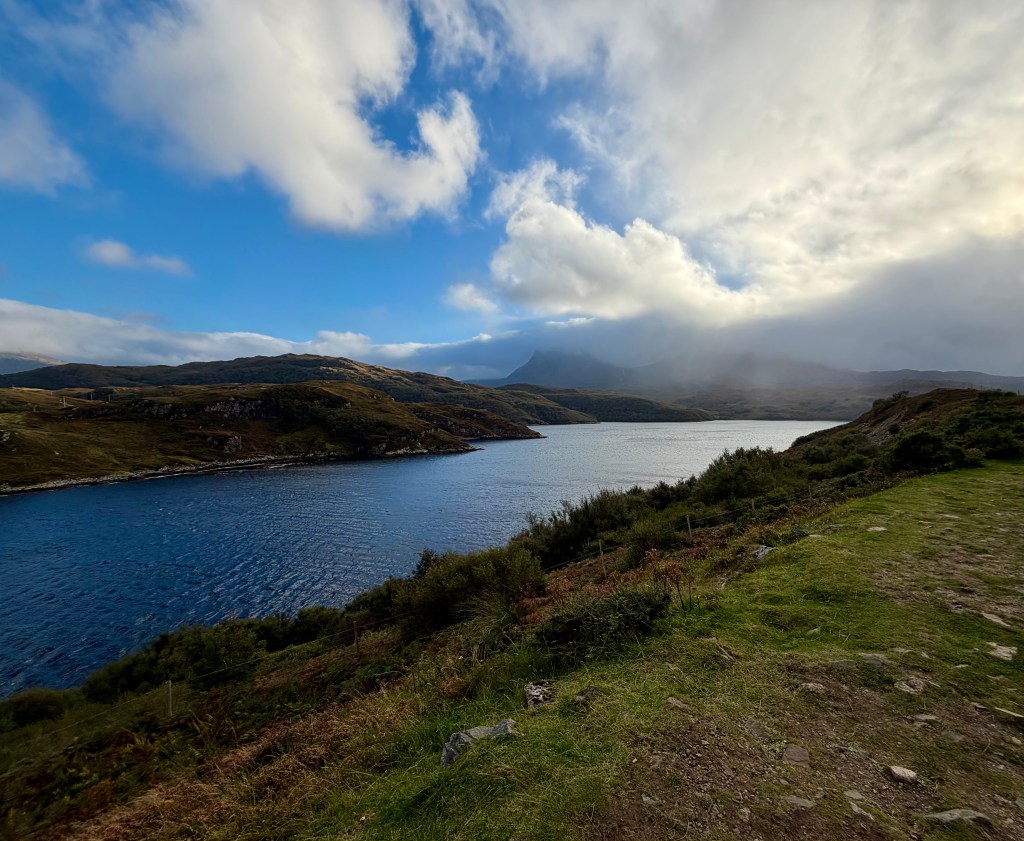
My final destination for the night was the lodge at Kylesku. The location is fantastic, with an amazing view across the water and the famous Kylesku Bridge just opposite. After such a long day, it was a great place to finally stop and relax. Some local brews and Salmon fish cakes finished the day of nicely!
Another memorable day on the NC500, taking me through some of the most remote and spectacular parts of northern Scotland. The biggest challenge continues to be accommodation. The popularity of the NC500 has clearly grown faster than the infrastructure needed to support it, and finding somewhere to stay can make planning the route difficult.
But that aside, days like this are exactly why I wanted to drive the NC500. From dramatic cliffs and wild beaches to enormous caves and remote Highland scenery, there is always something unexpected around the next corner. A long day, but one I certainly won’t forget.
LC



Leave a Reply