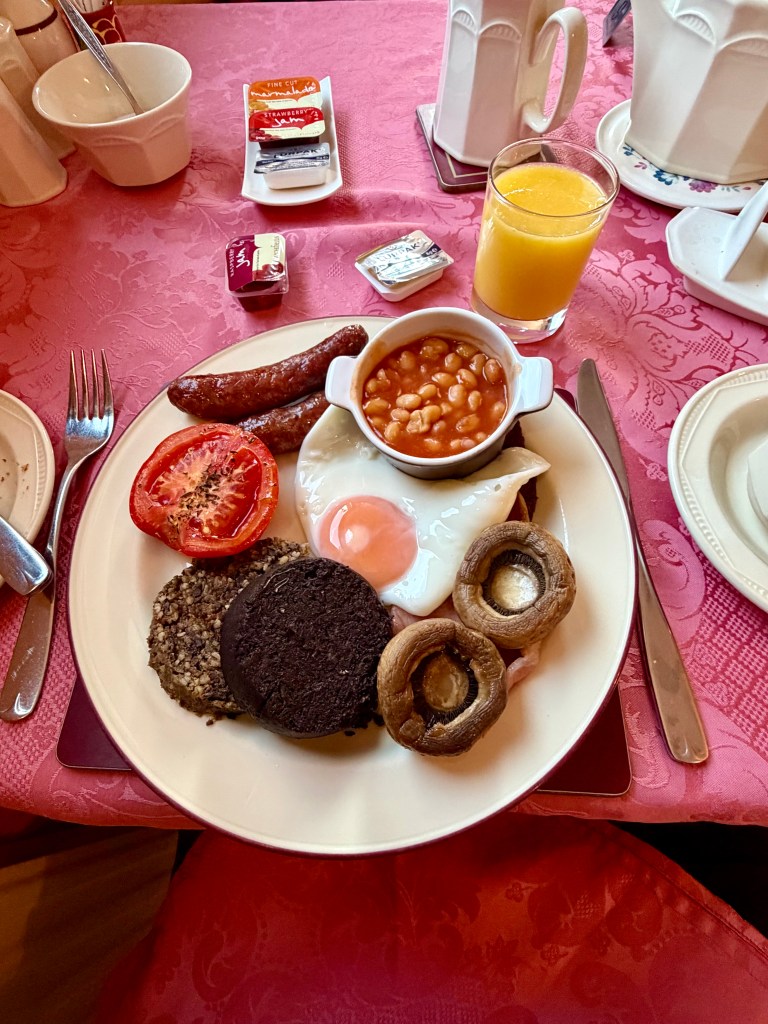
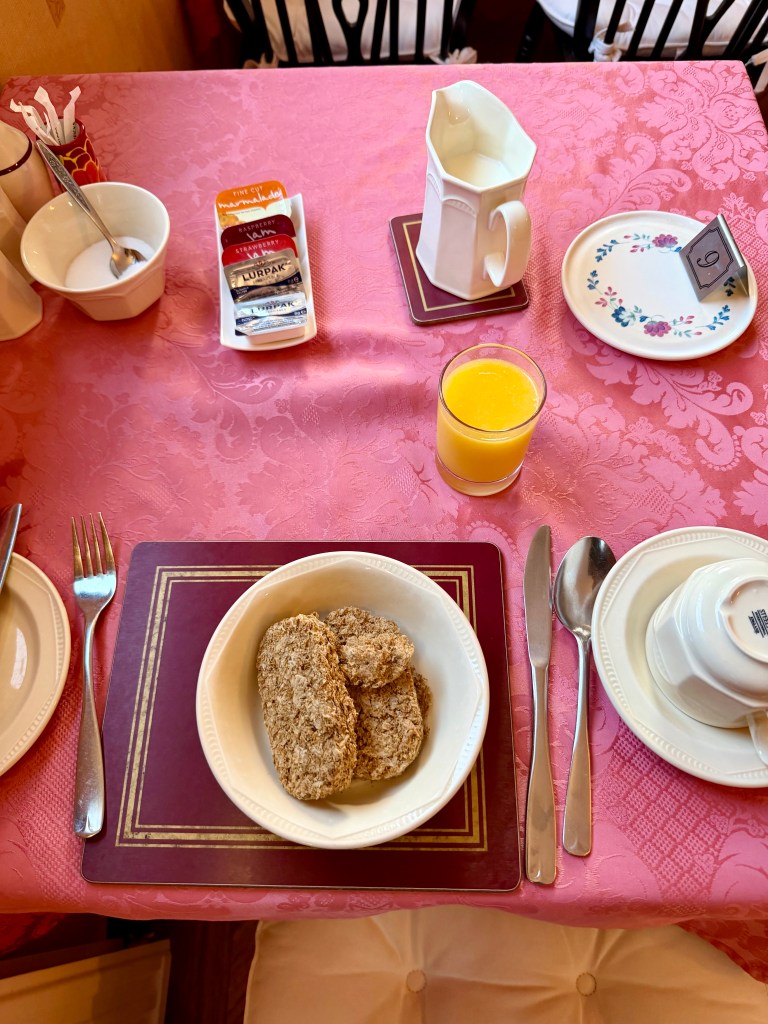
Day two started with a fantastic full Scottish breakfast at the B&B—and, incredibly, a Weetabix as a bonus item. I hadn’t had it for around 40 years, so it was a surprisingly nostalgic start to the day.
At breakfast I also met an interesting fellow traveler who works at sea and spends half of his time travelling the world, hiking and seeking new adventures. Currently, he is installing wind machines off the coast near Boston. He saids its not far out, its just 14 miles!! We discussed some of his adventures in Africa and Australia. All very impressive in their own way. One of the great things about travelling is the people you meet along the way.
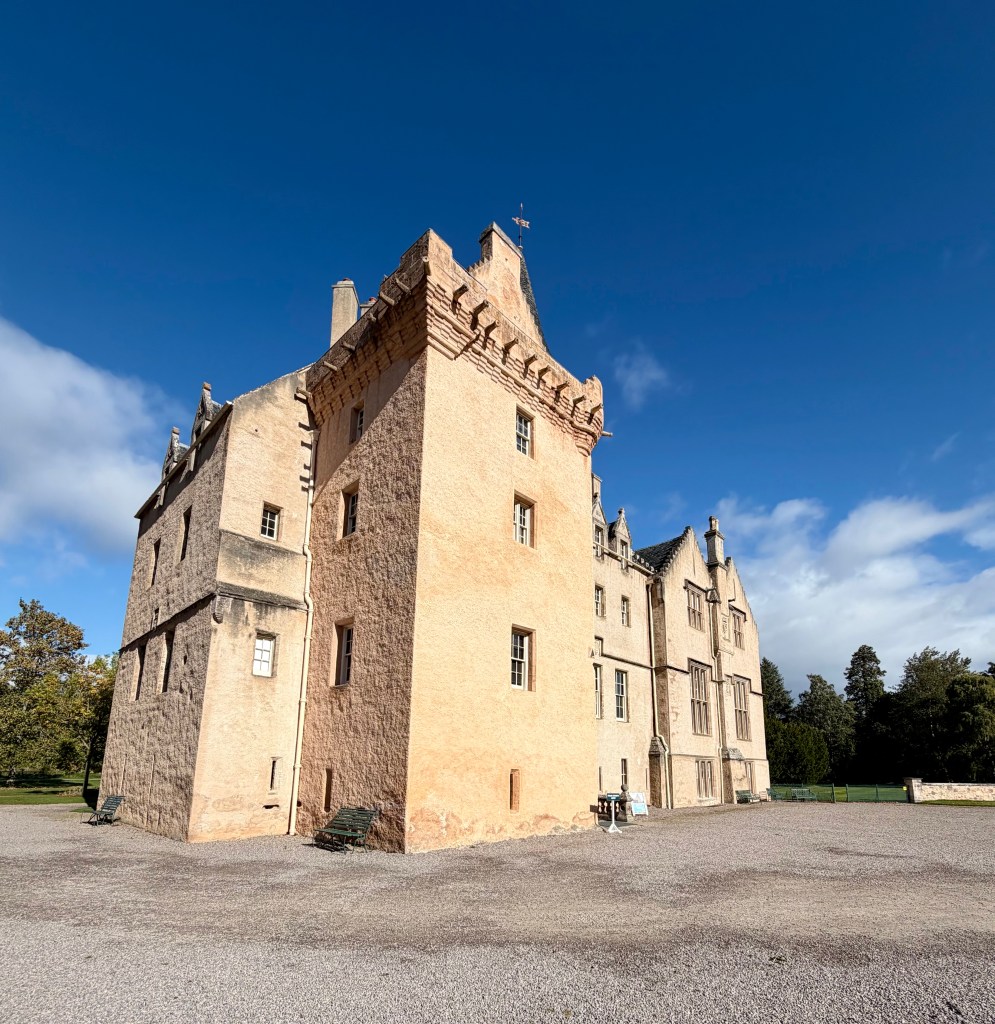
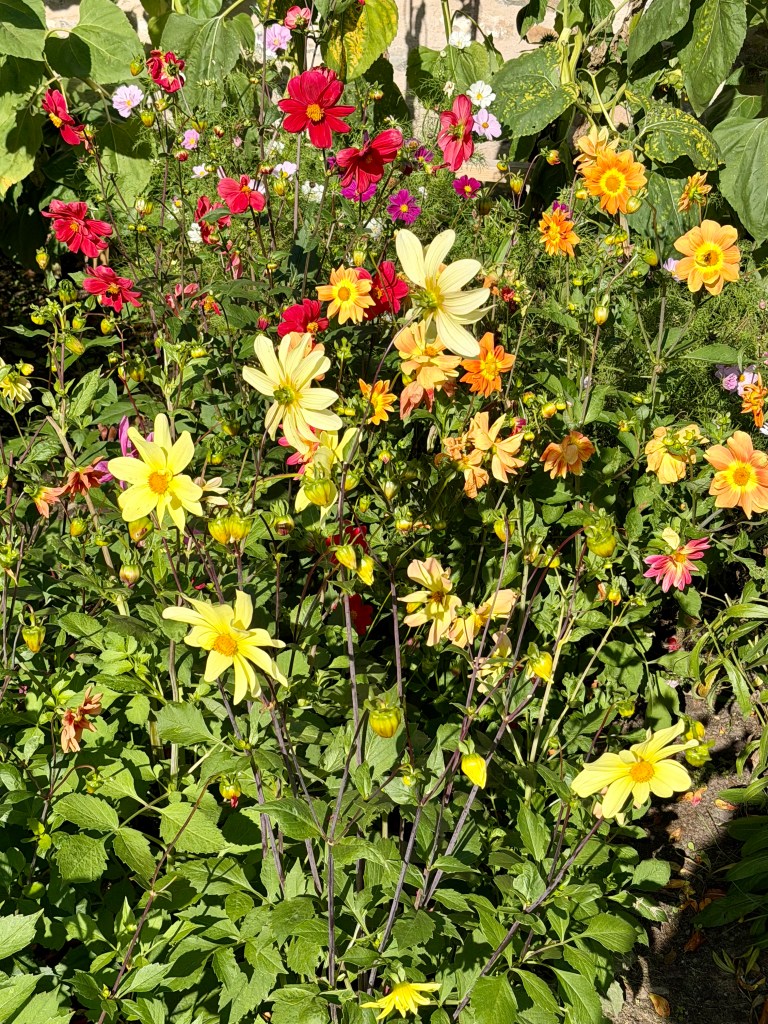
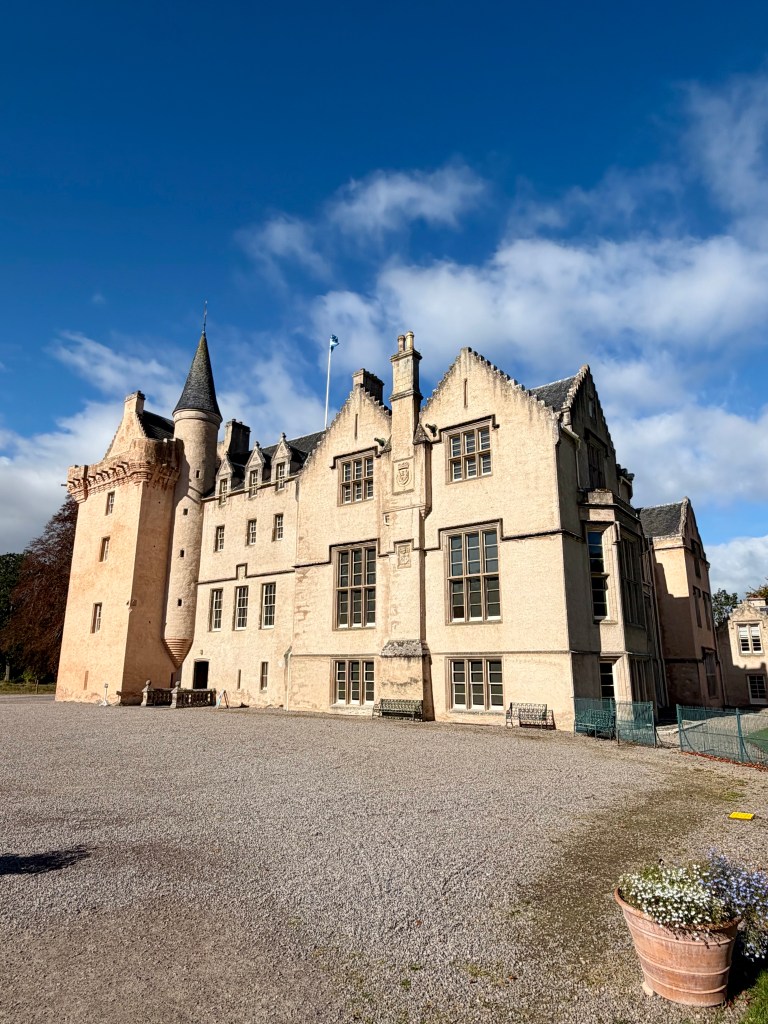
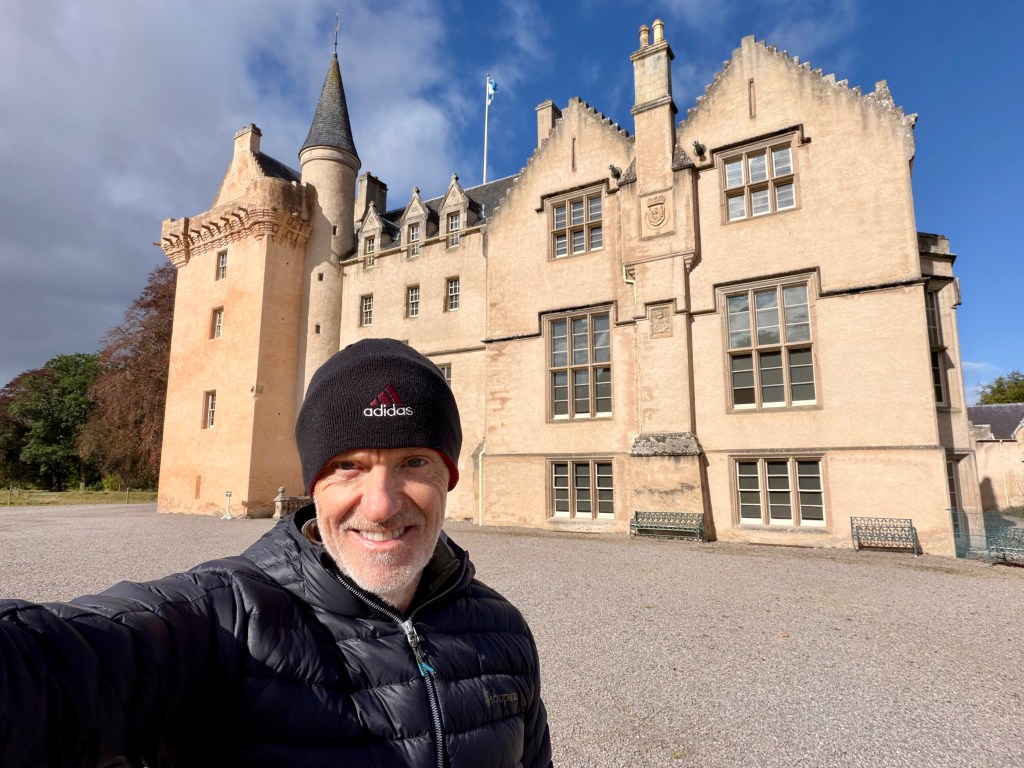
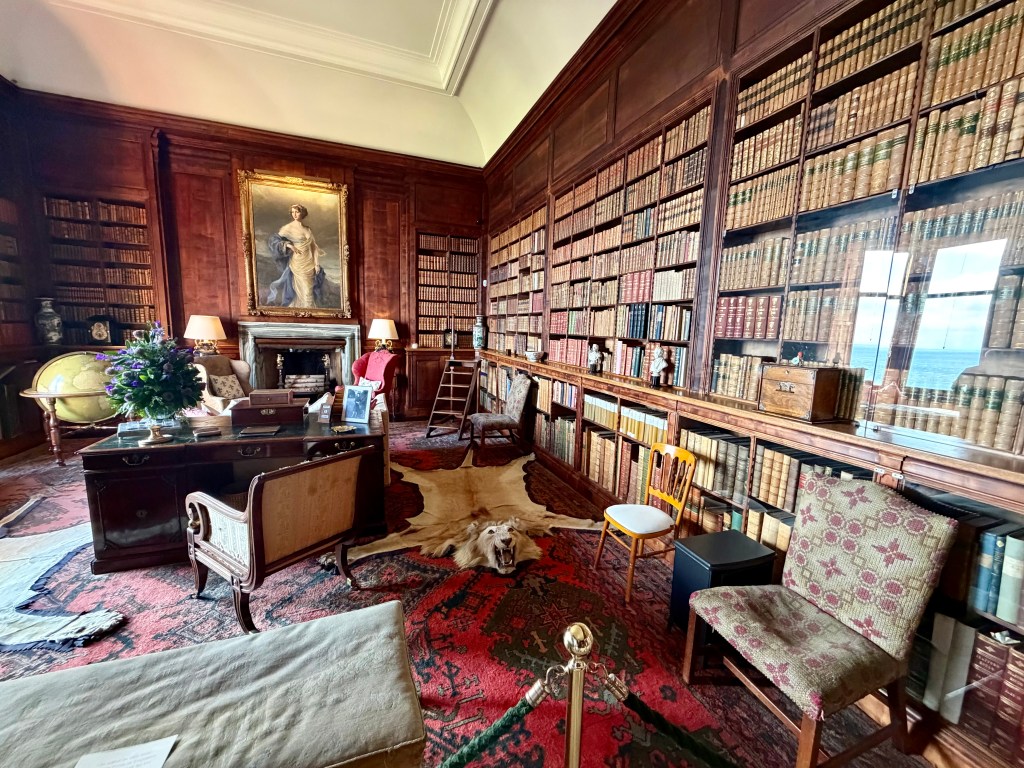
I hit the road around 8am, with my first stop at Brodie Castle. Dating largely from the 16th century, the castle was home to the Brodie family for more than 400 years and contains an impressive collection of art, furniture and family possessions. The house and surrounding gardens were well worth the visit.
The day then threw in its first bit of unexpected excitement when a low tyre-pressure warning forced me to stop in Aviemore. A quick tire change, nothing too dramatic, but enough to add a little spice to the journey before I continued north to Inverness.
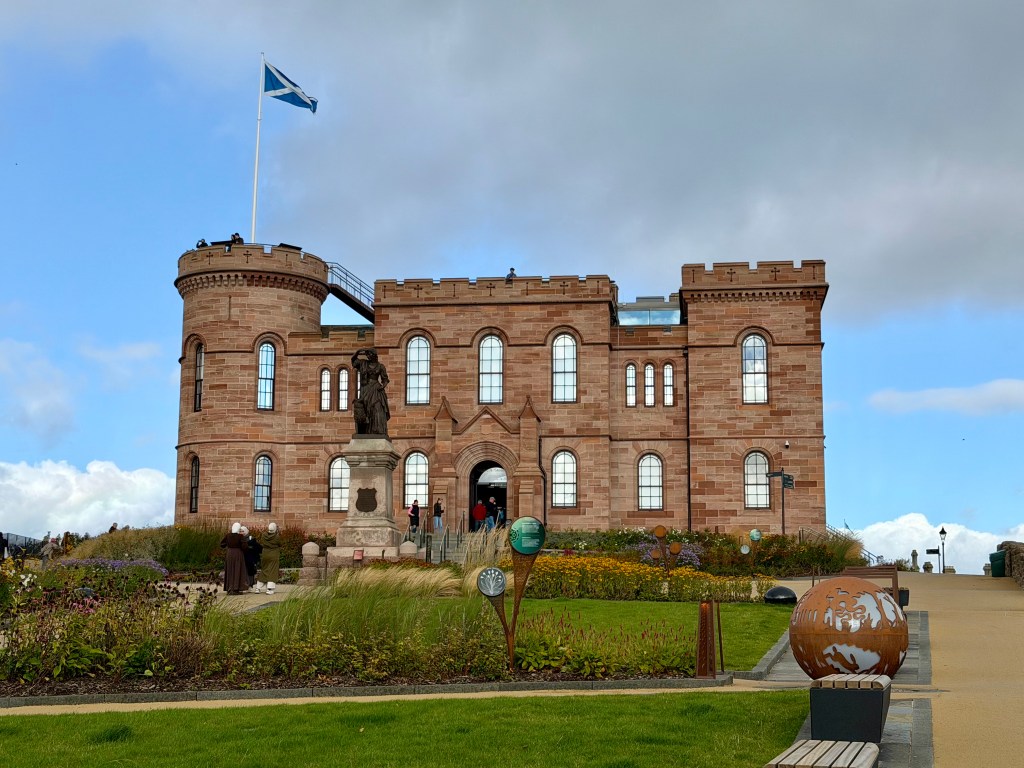
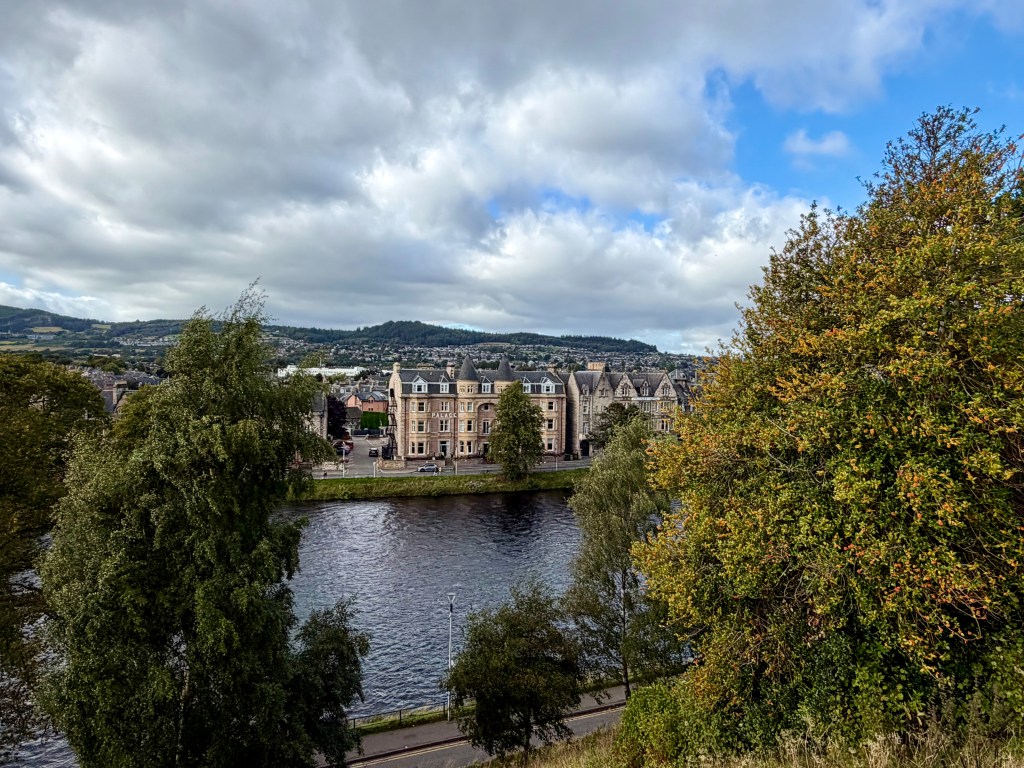
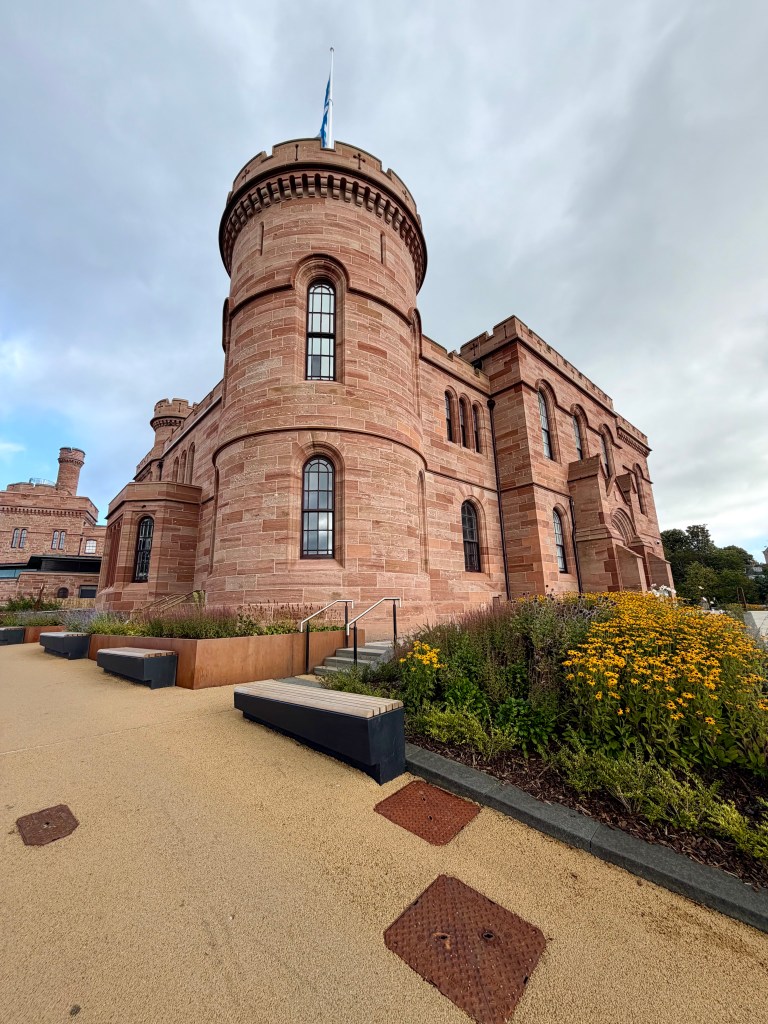
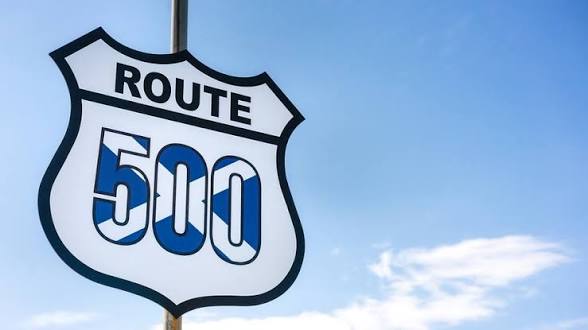
I spent a couple of hours in Inverness (start of NC500), walking through the city center, around the castle and along the River Ness. Inverness has been at the heart of the Highlands for centuries, developing from an important medieval settlement into the region’s modern capital. Its position on the River Ness, close to the Beauly Firth, made it an important center for trade and travel, while the city’s castle has long stood above the river as a strategic landmark.
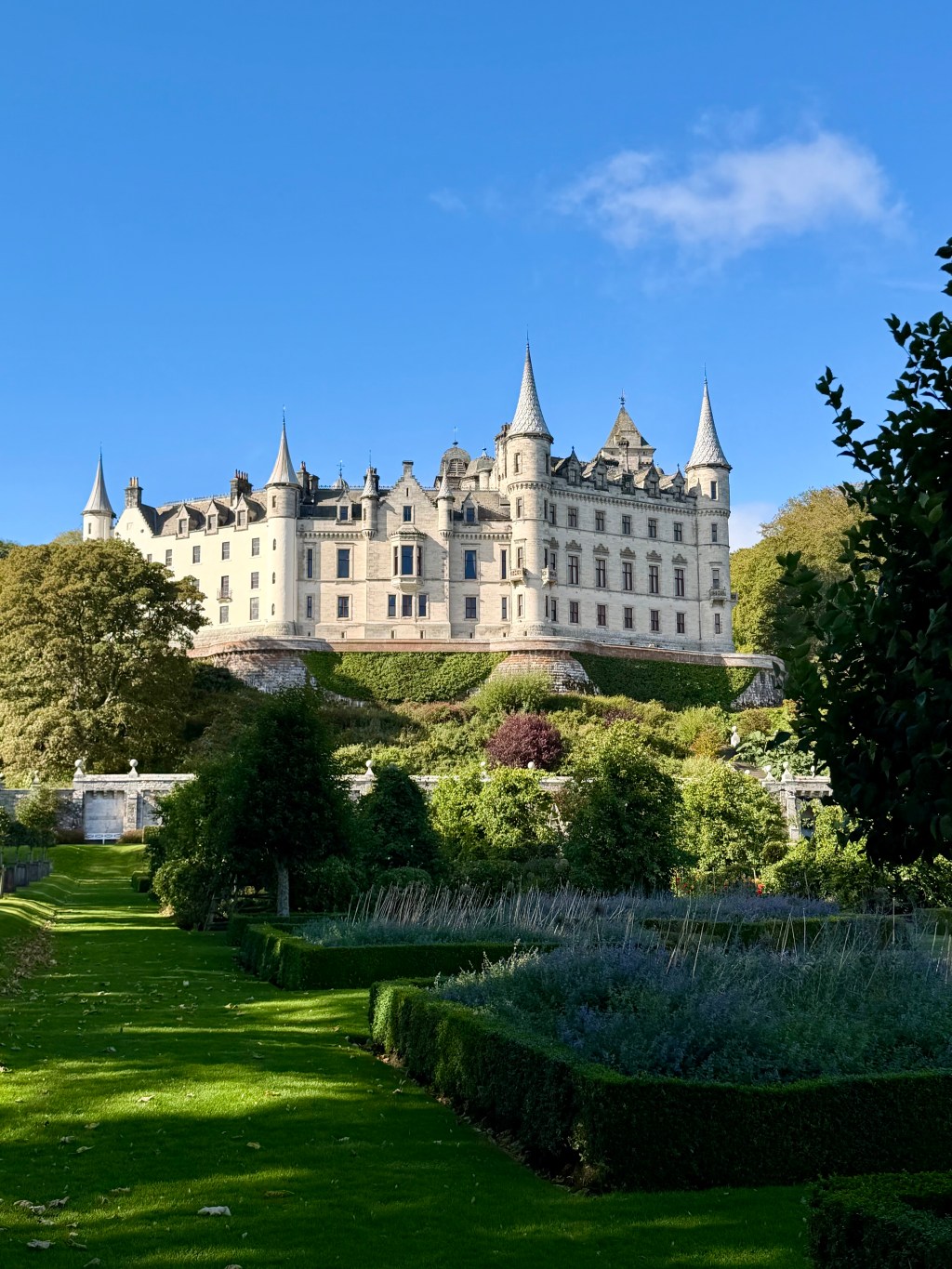
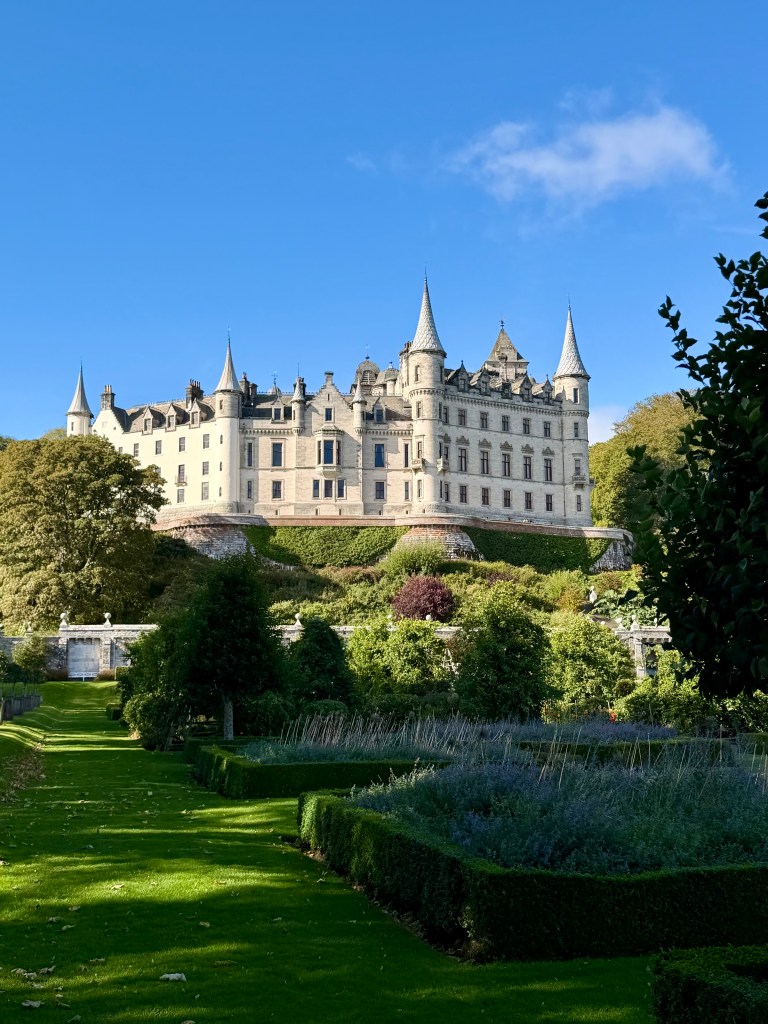
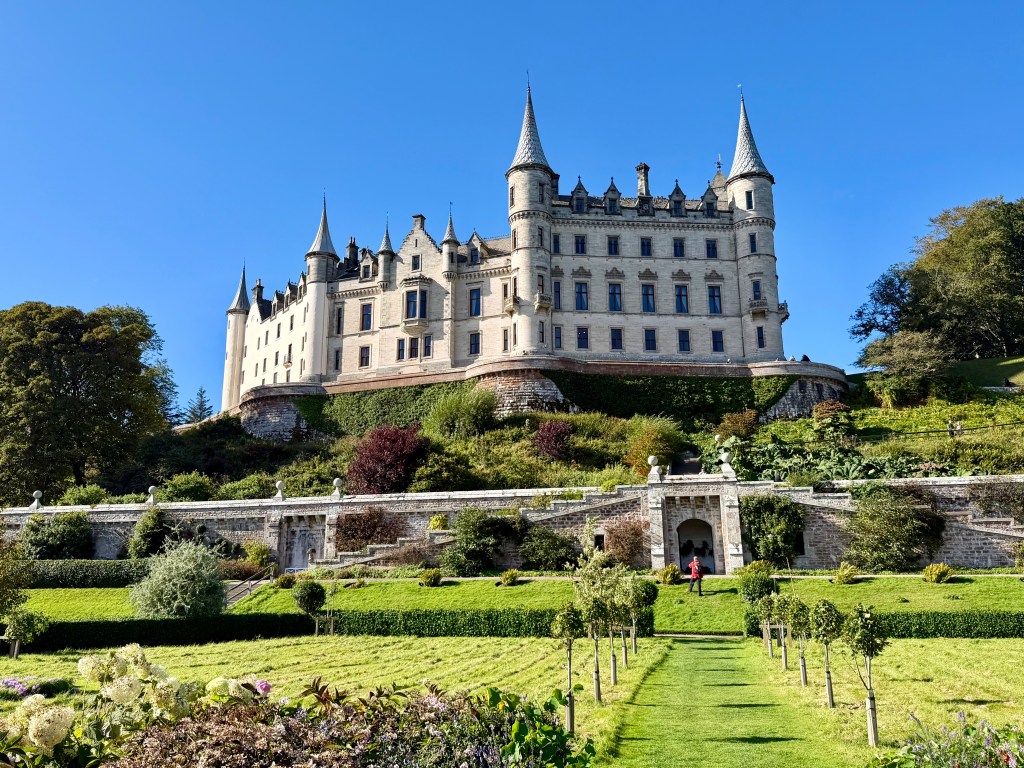
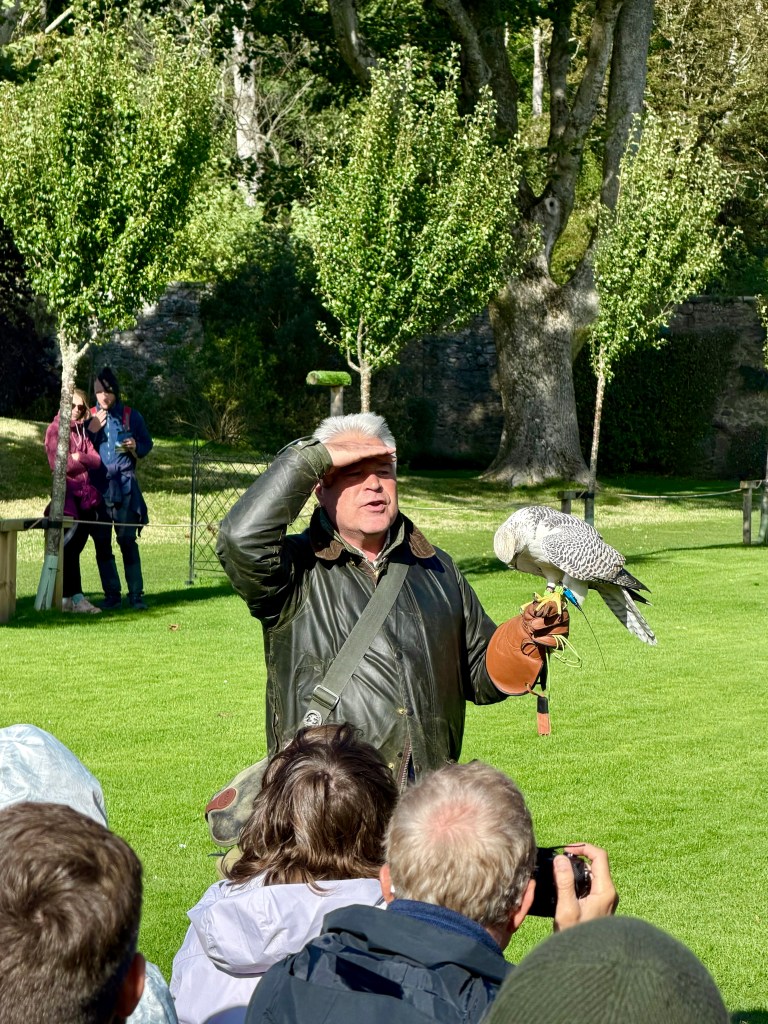
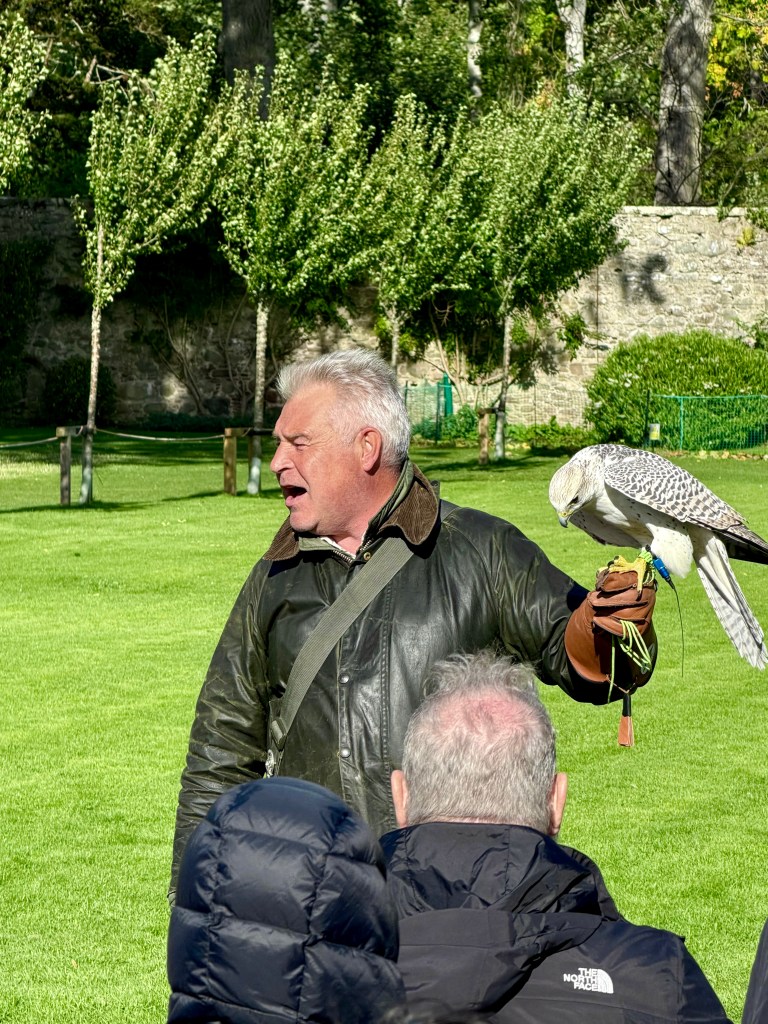
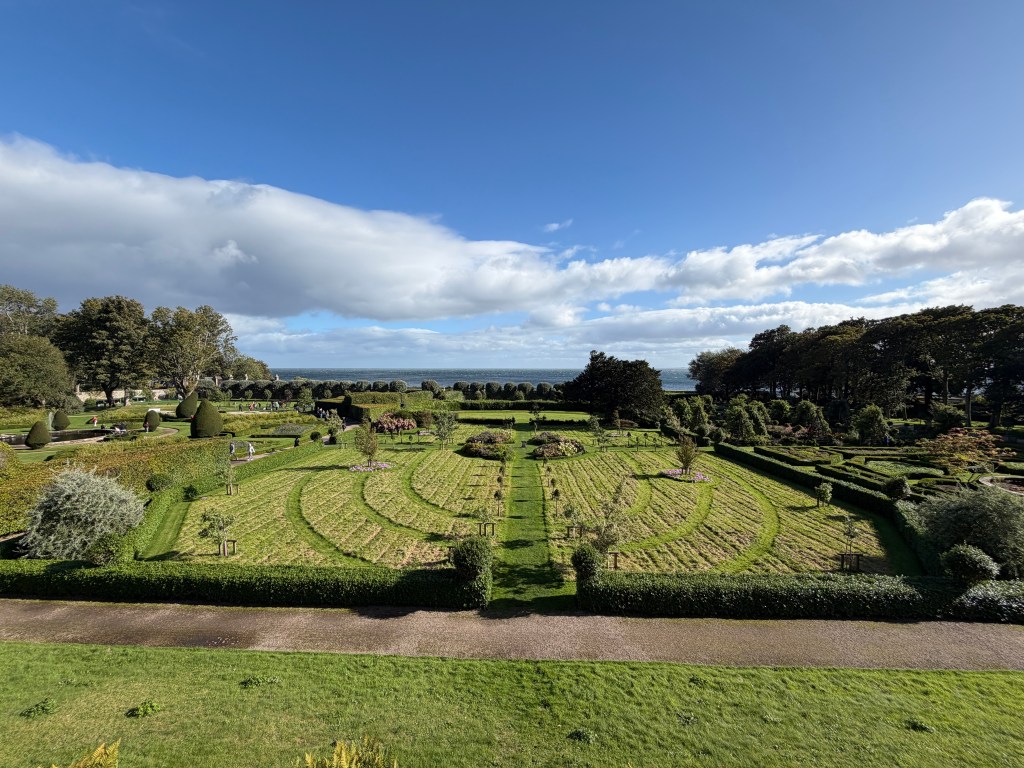
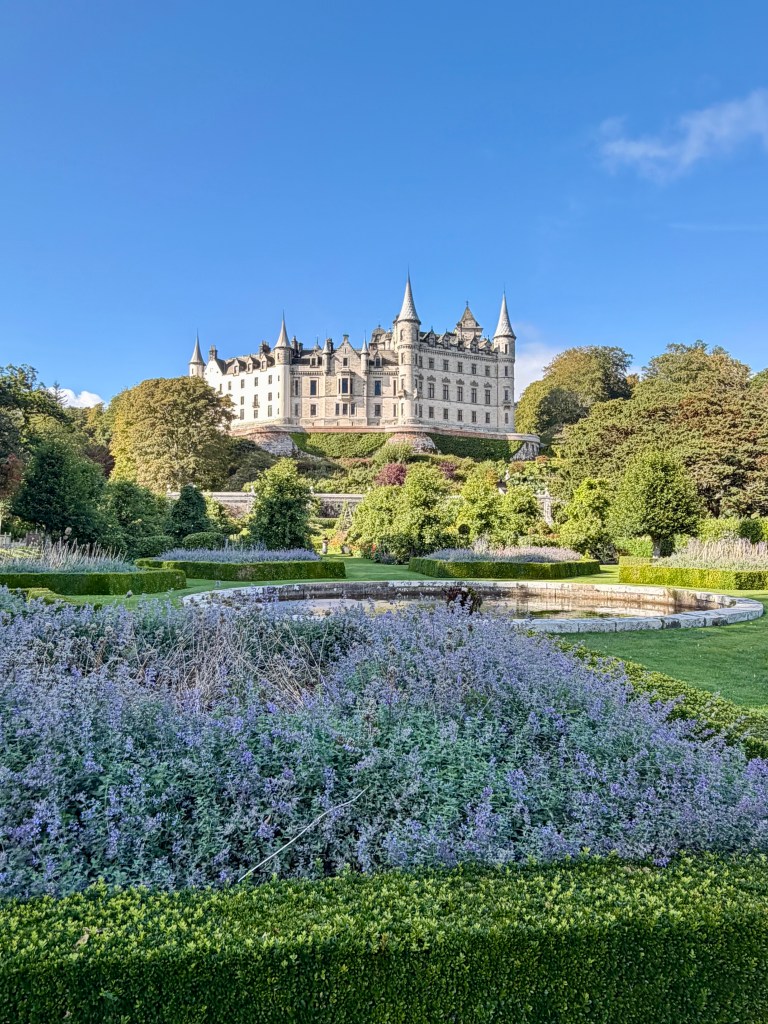
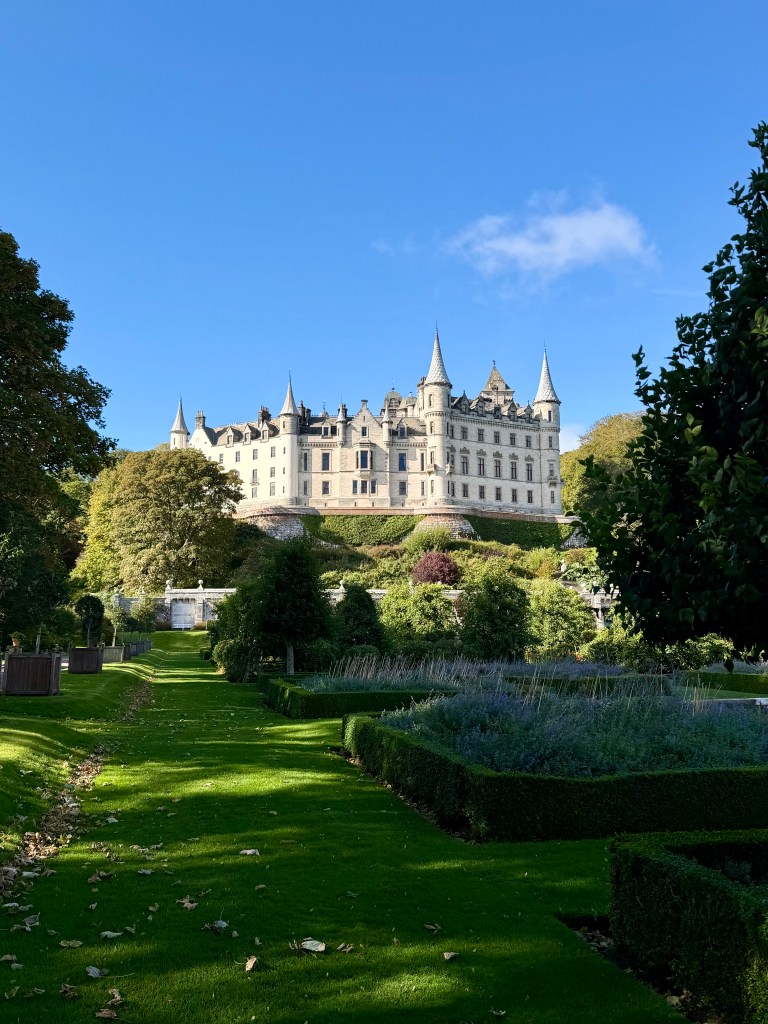
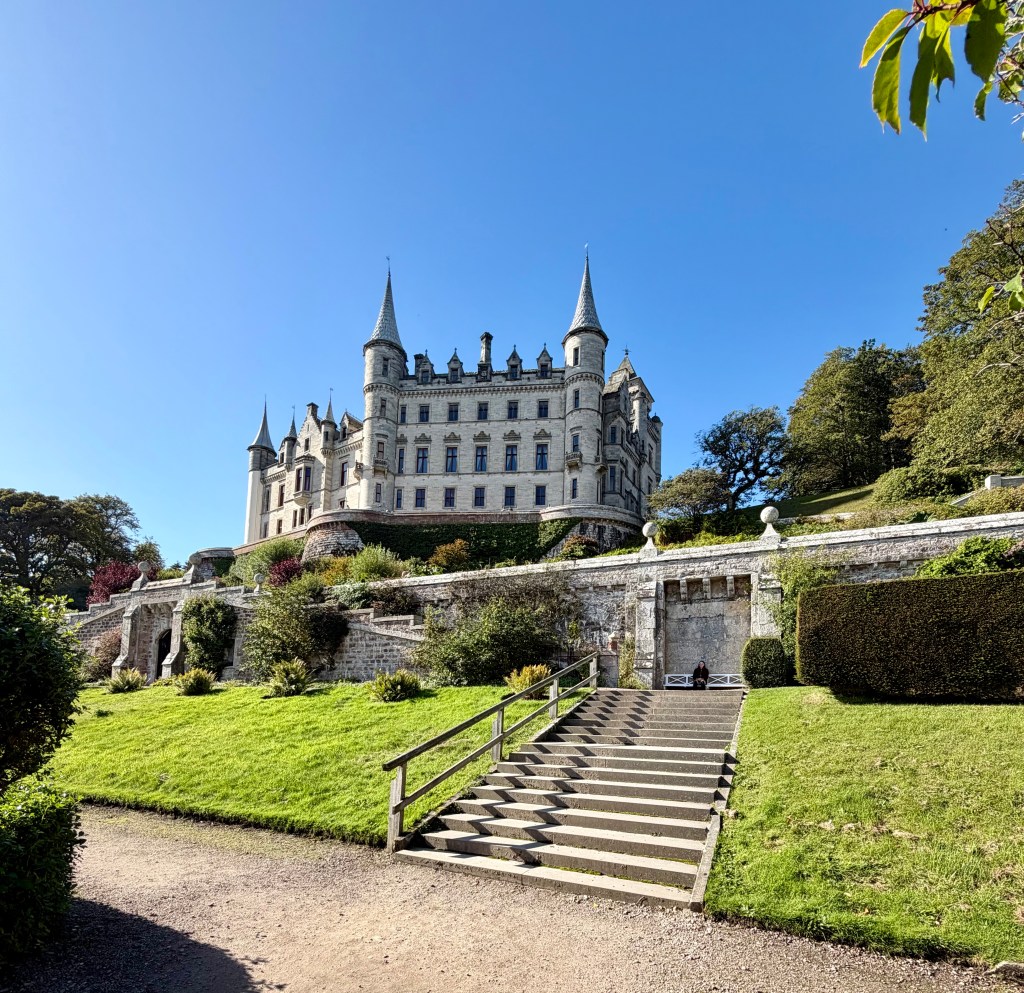
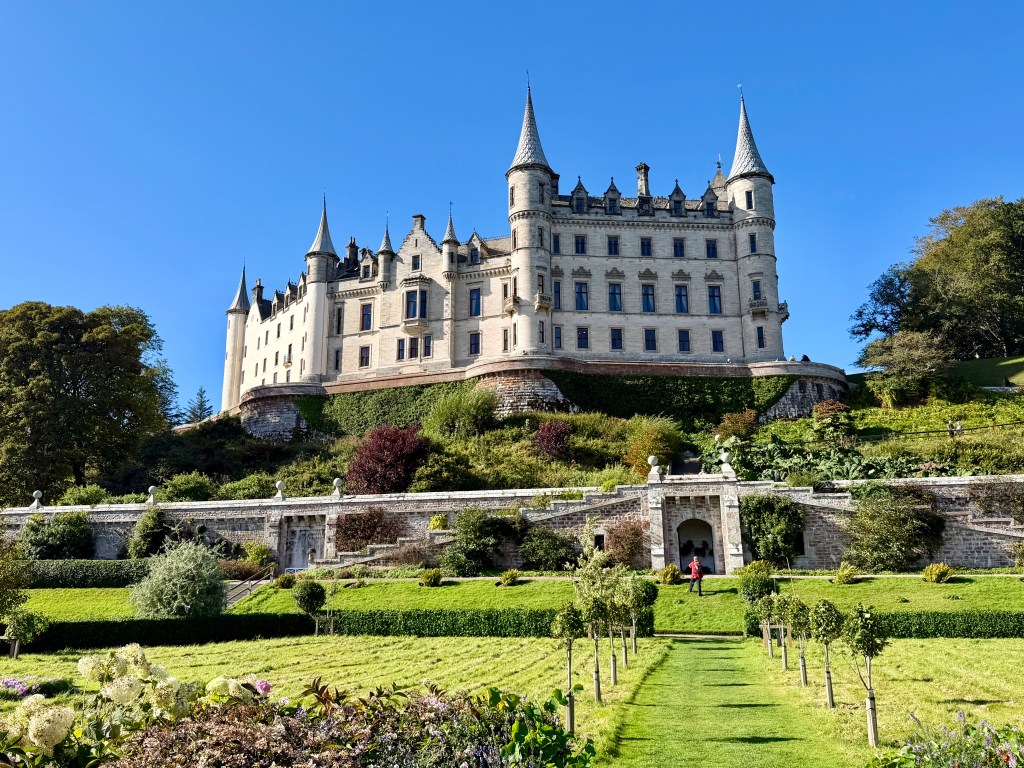
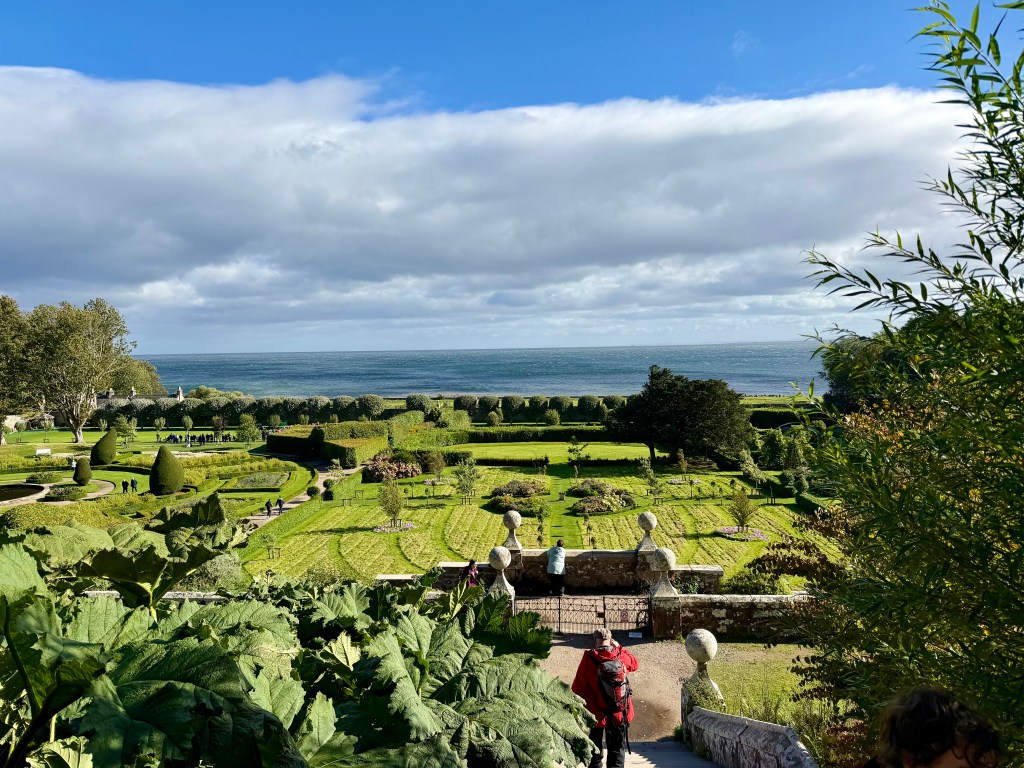
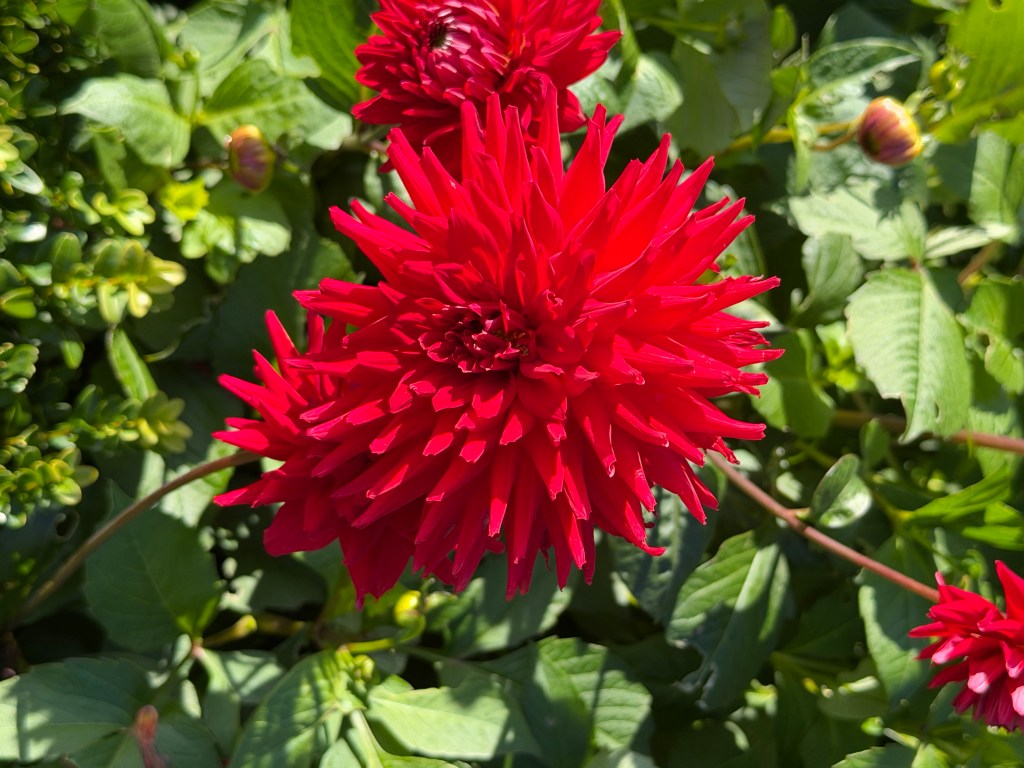
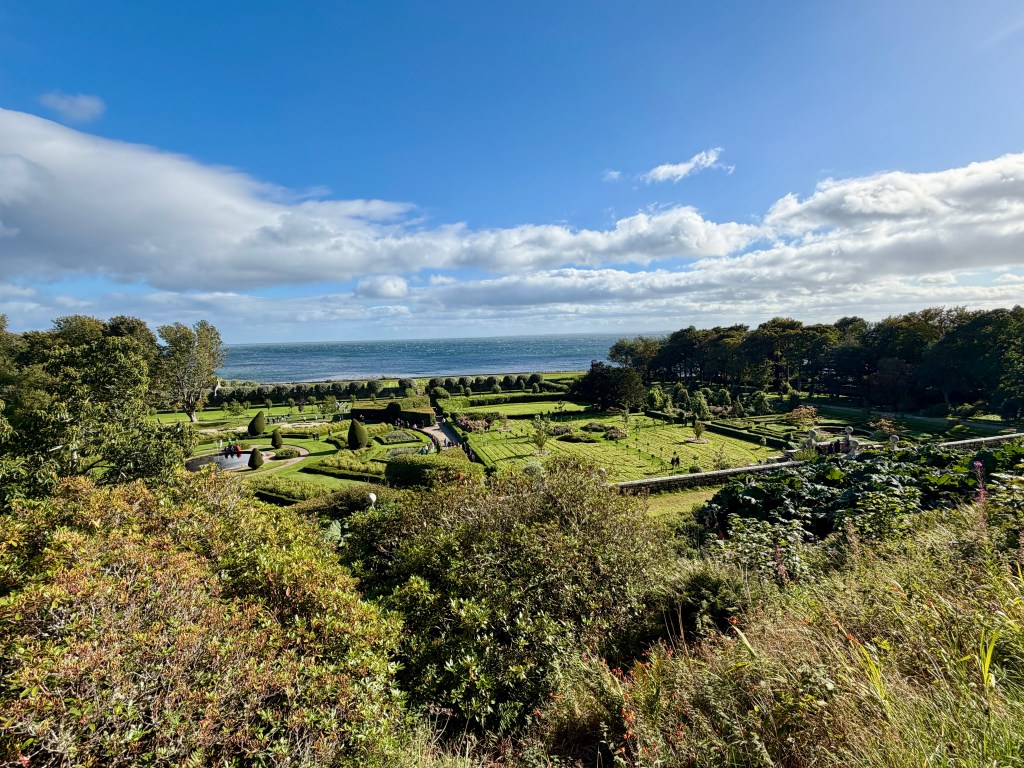
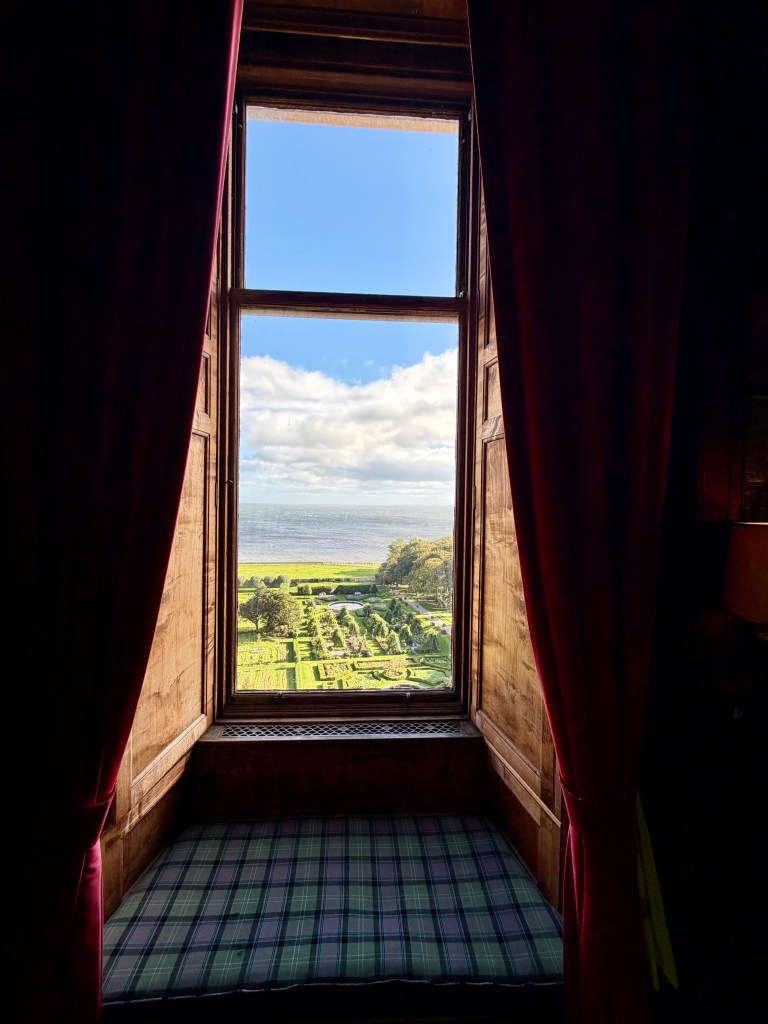
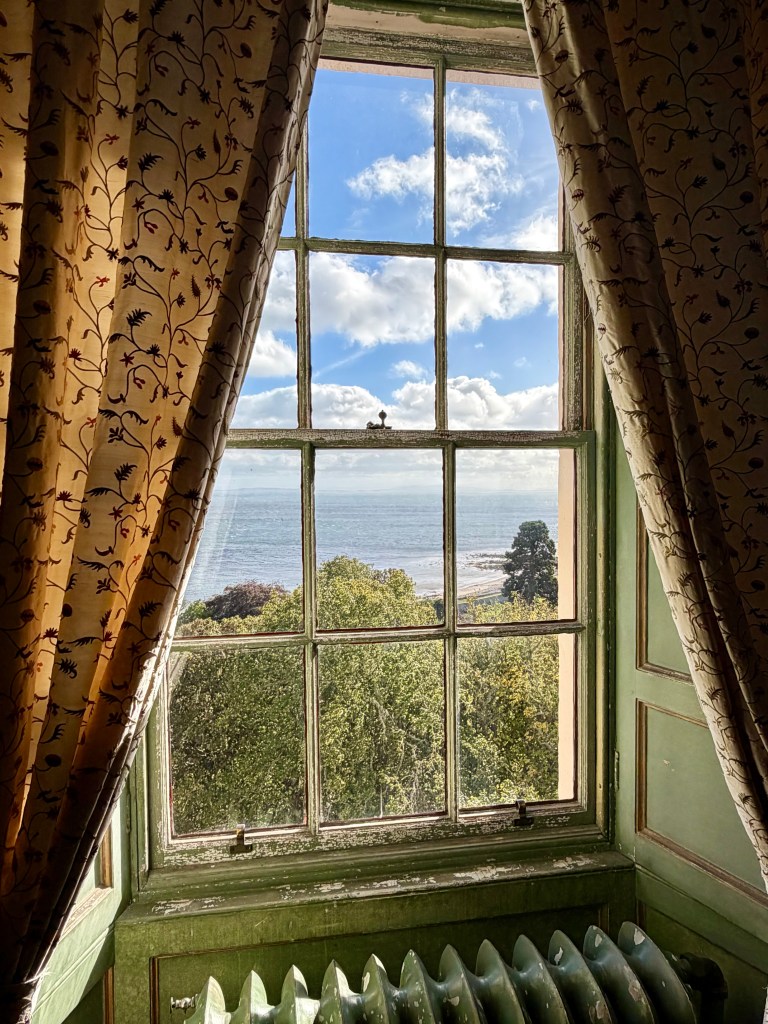
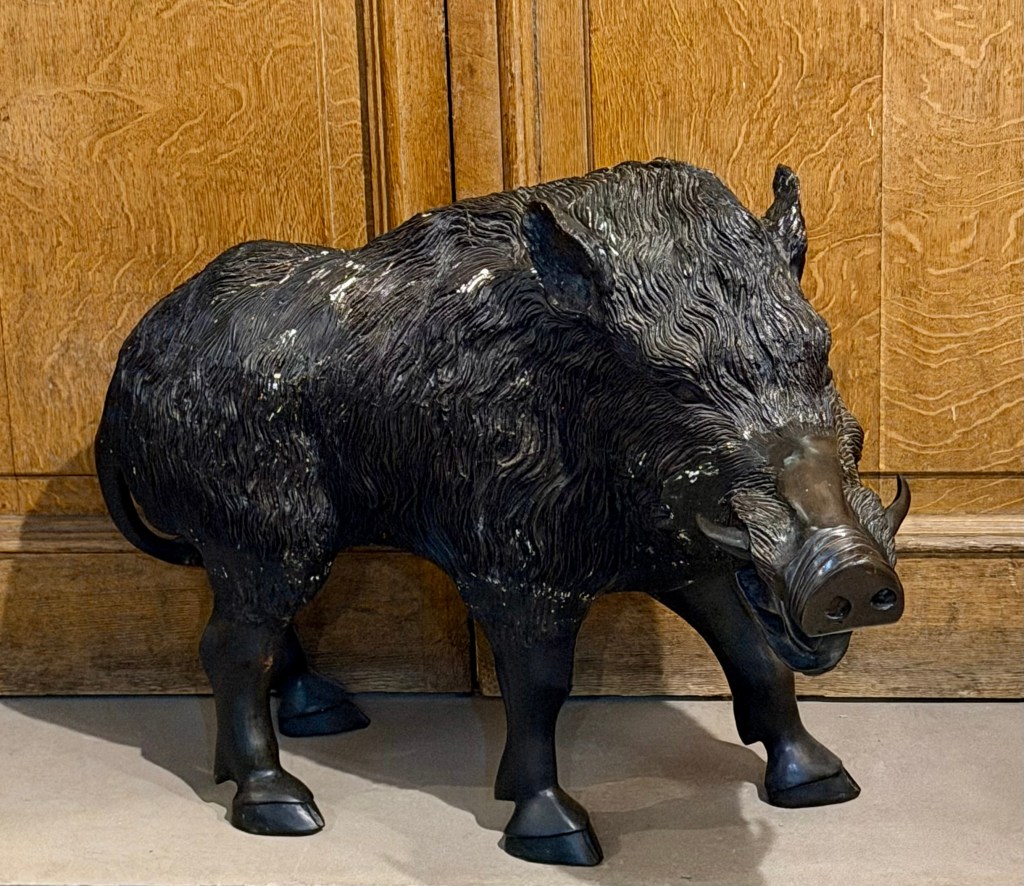
From Inverness, the coastal drive was spectacular, with the landscape becoming increasingly dramatic as I followed the NC500 North. The route eventually brought me to Dunrobin Castle, one of the most impressive castles I’ve ever visited! The architecture is remarkable, but the gardens were the real highlight, with their formal terraces stretching towards the sea. The falconry display was exceptional and added another memorable dimension to the visit. As an added touch of grandeur, this fairytale-like seat of the Earls and Dukes of Sutherland dates back to the 1300s, though much of its dramatic French-château-style exterior was redesigned in the 19th century by Sir Charles Barry—the very same architect who designed the Houses of Parliament in London. It was also used as a hospital during the war. Not a bad place to recover!
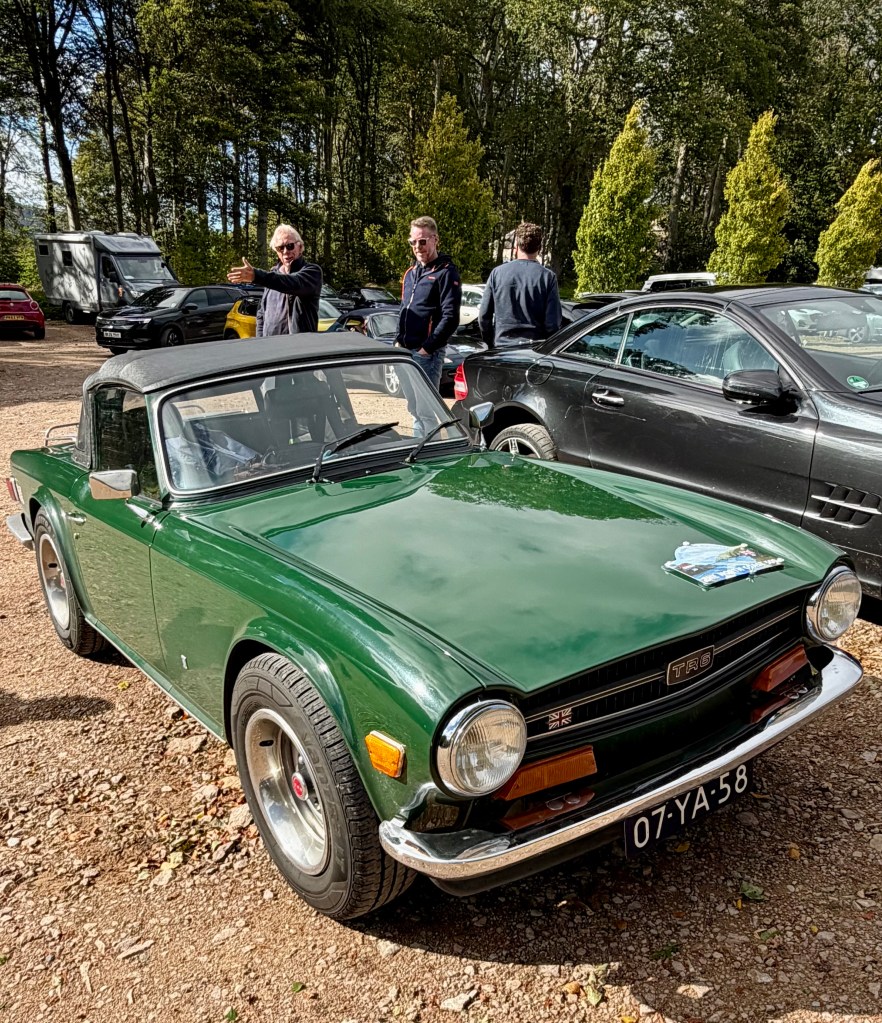
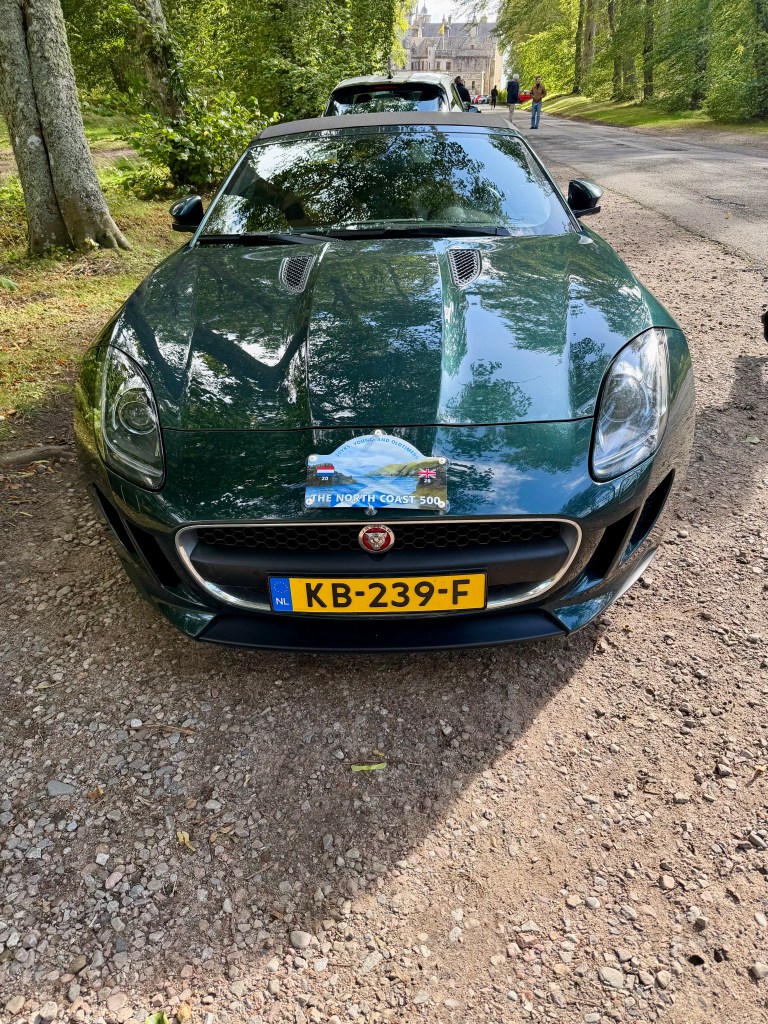
The NC500 was also becoming something of a classic-car parade, with Triumph TR6s, MGBs, Jaguar E-Types and plenty of other beautifully maintained cars sharing the road. It certainly added to the character of the journey.
Next, I headed for the Big Burn waterfall walk, only to discover that a landslide had closed the trail. After checking locally, I changed plans and continued north along the coast towards Wick.
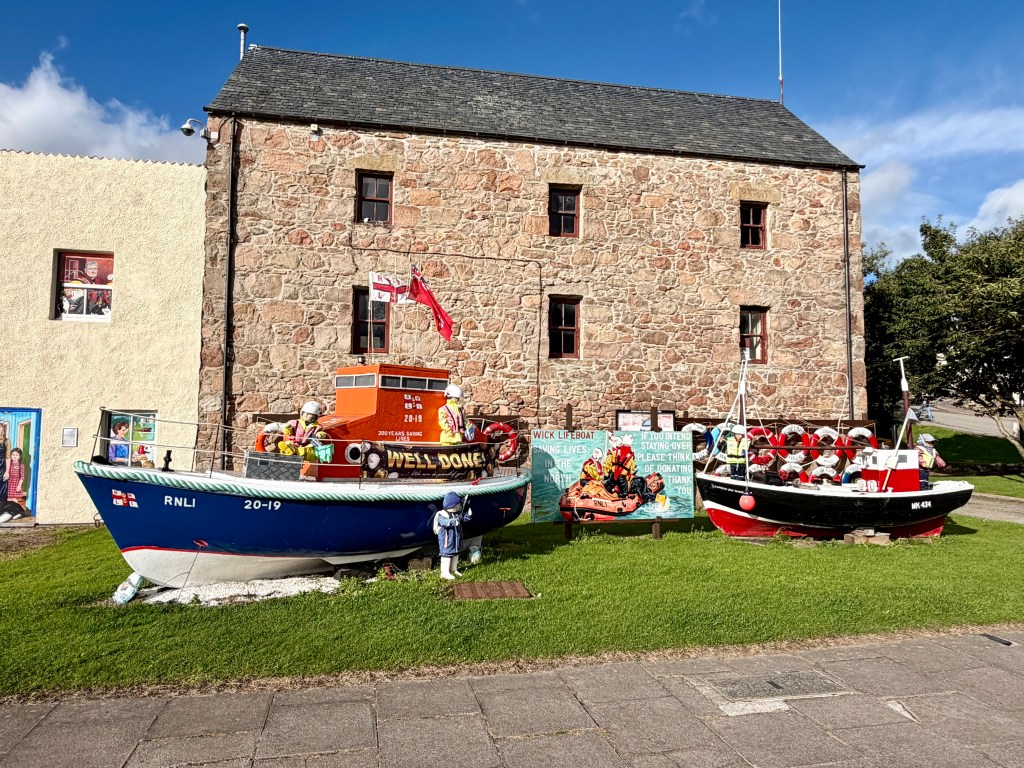
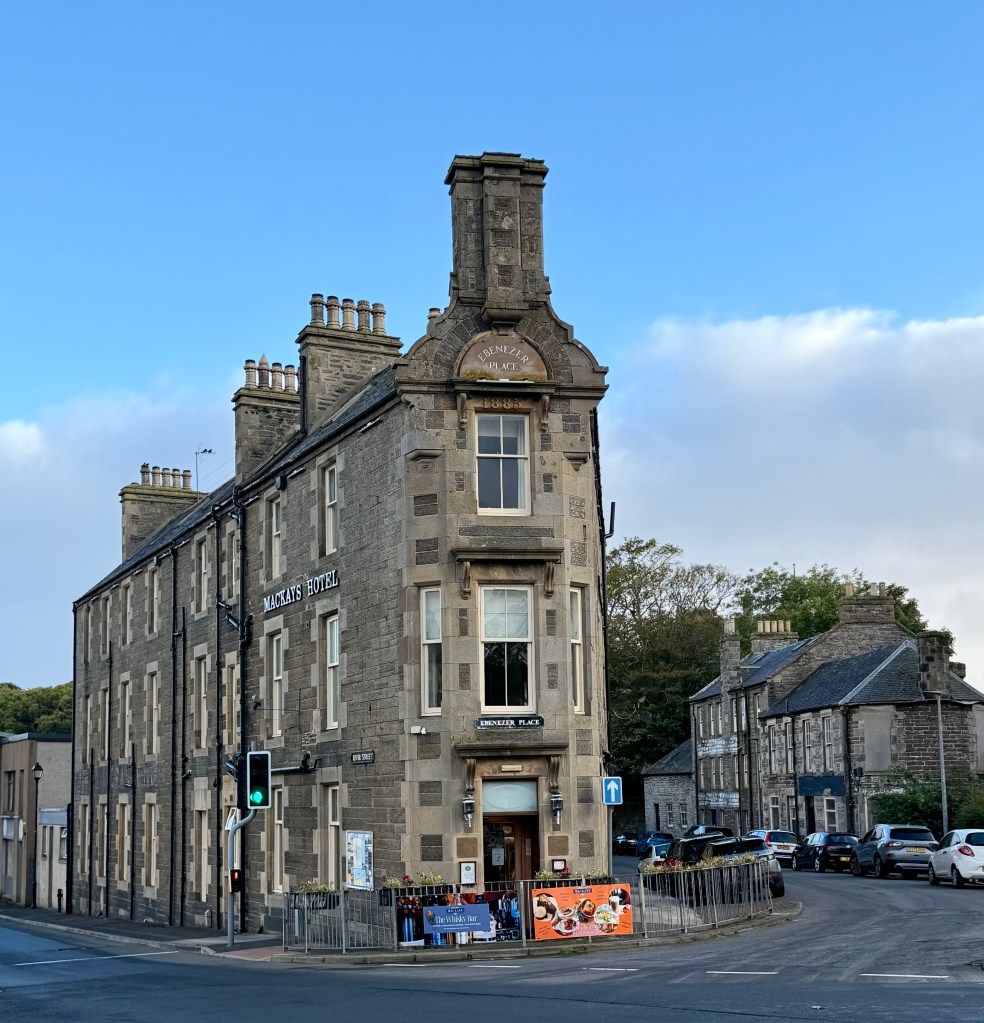
Wick was once one of Europe’s major herring-fishing ports, and that maritime history is still evident around the town. It is also home to Ebenezer Place, recognized as the world’s shortest street. Measuring a mere 6 feet and 9 inches long, it features just one address—the Mackays Hotel front door—and officially earned its Guinness World Record status back in 2006.
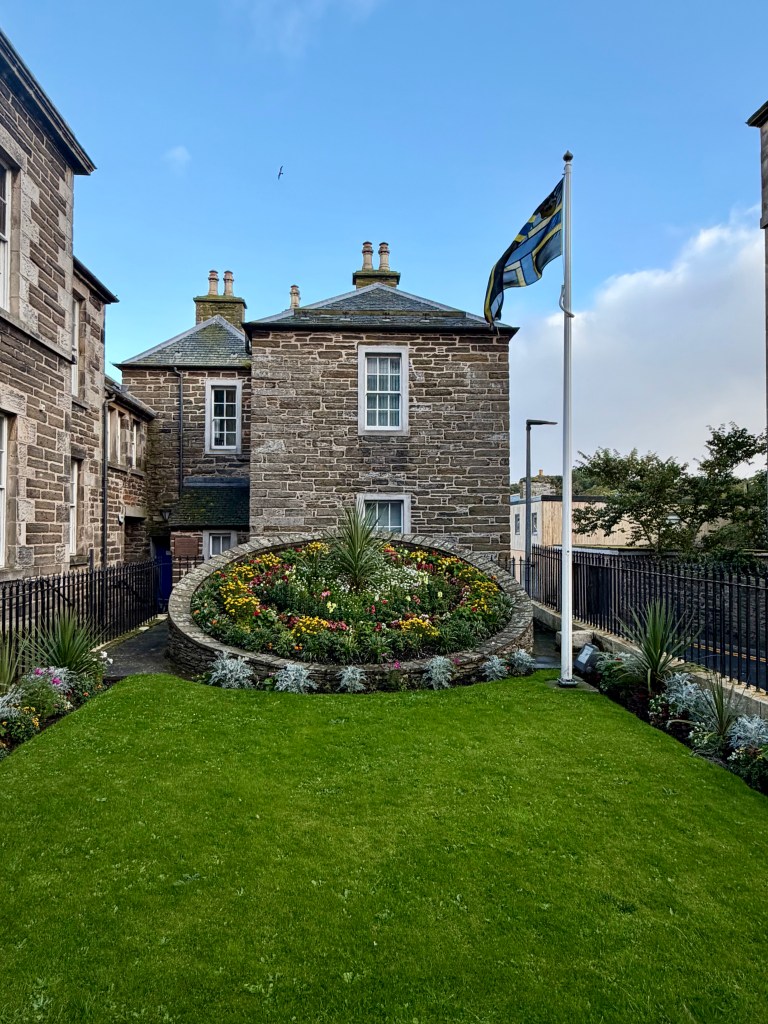
Sadly, walking through the town center, there was also a sense that Wick has seen better days, with boarded-up shops and buildings showing signs of decline. It was a stark contrast to the spectacular scenery and historic attractions I’d experienced earlier in the day.
I finished the evening at the hotel bar, reflecting on another fascinating day. Castles, coastline, classic cars, unexpected detours and a closed waterfall walk—the NC500 was certainly living up to its reputation as an adventure.
LC


Leave a Reply