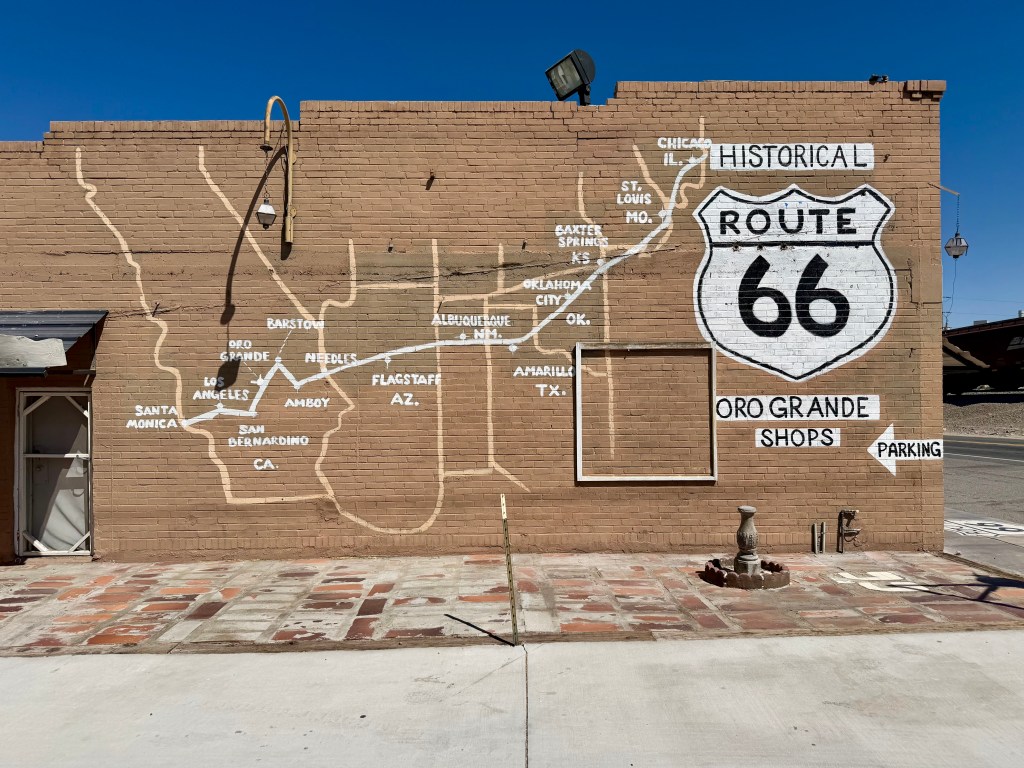
Today was my final day on Route 66. Sitting in a hotel room in Barstow that morning, it felt strange knowing I’d end the day at the finish of one of the world’s most famous roads. There was a quiet sense of closure building, even before I had started the engine.
Leaving town, the highway stretched out through open desert, with distant mountains hanging on the horizon. The road felt familiar by now—long, empty, and steady—like it had been gradually preparing me for this ending all along.
Desert Surrealism
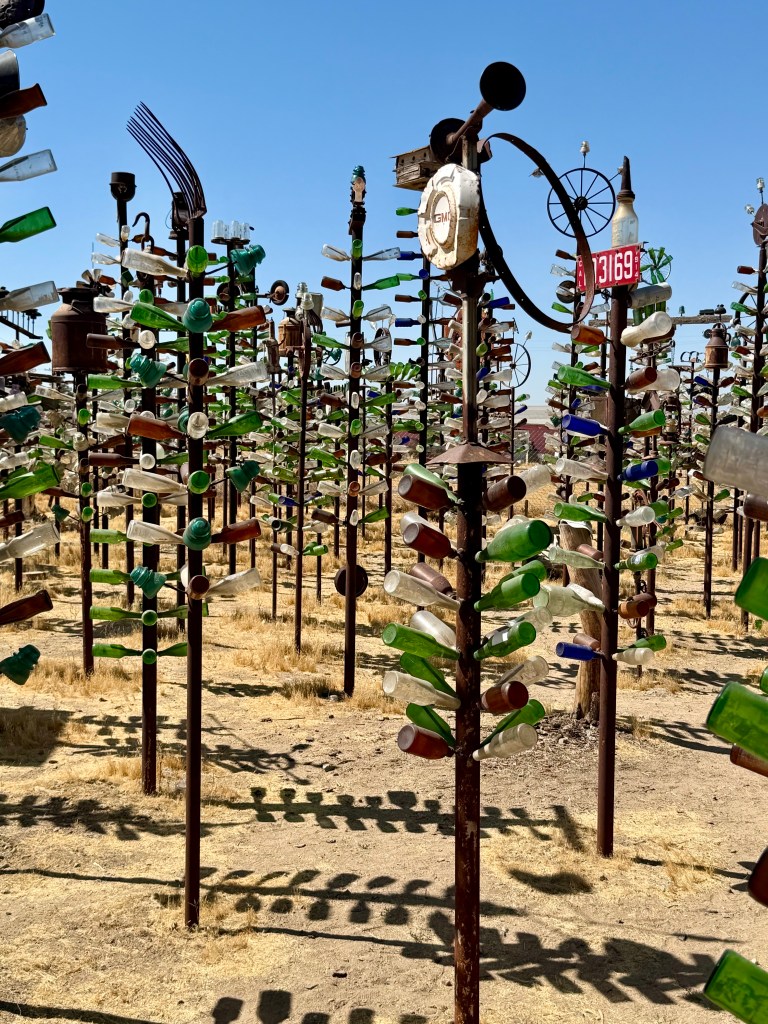
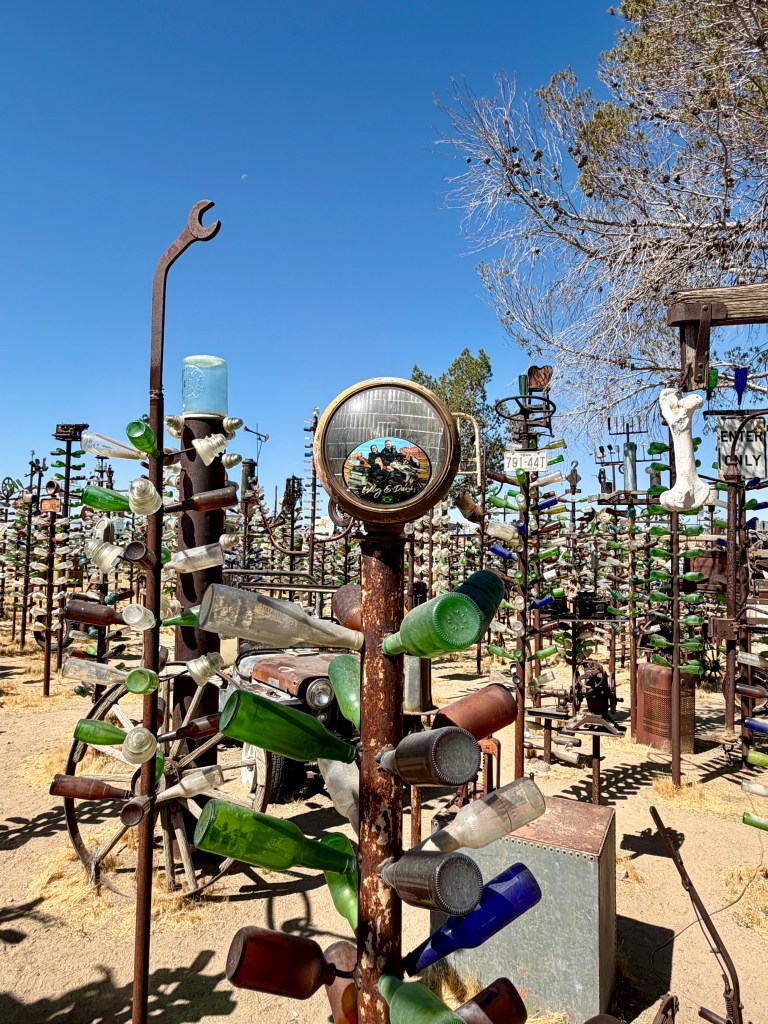
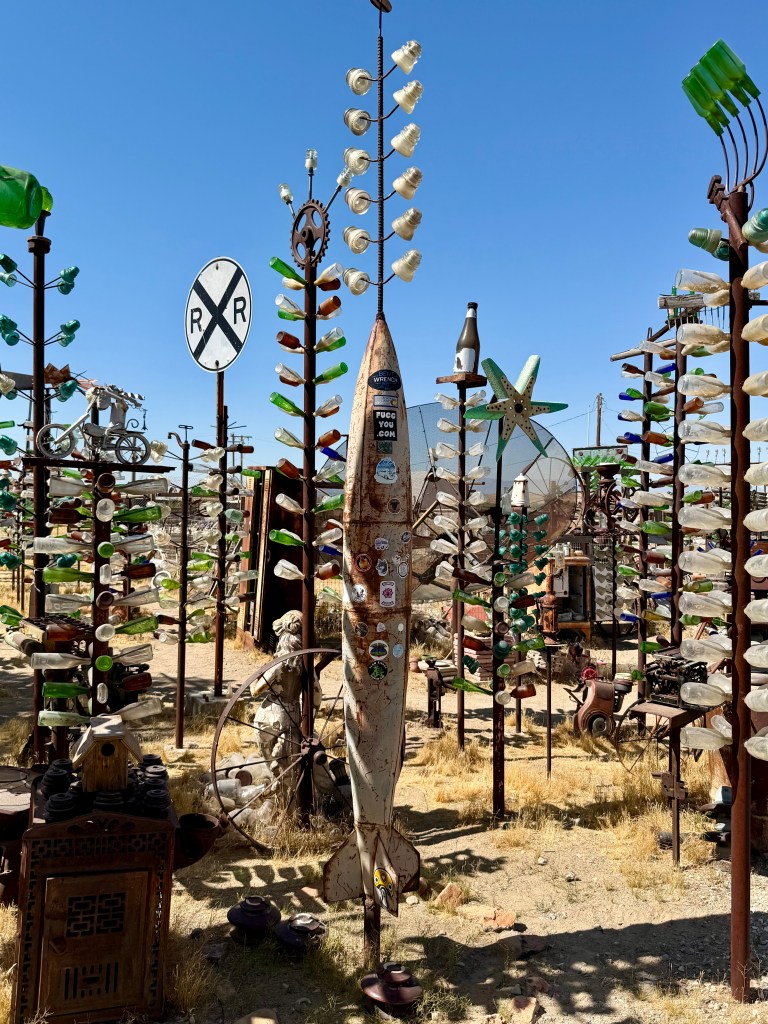
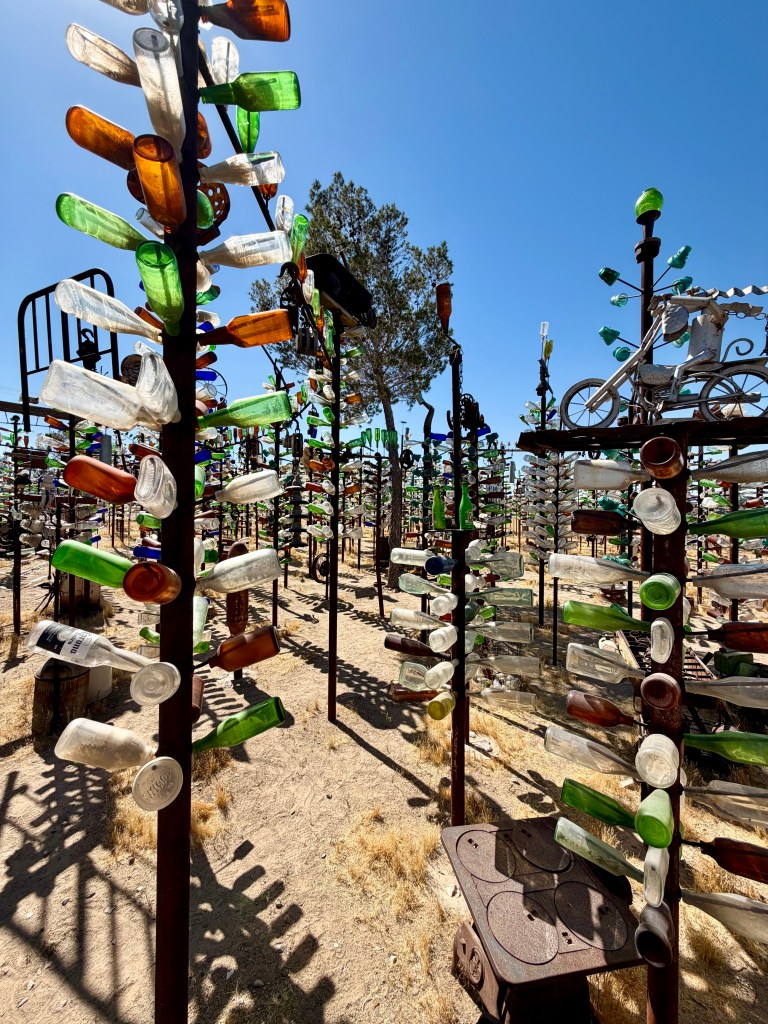
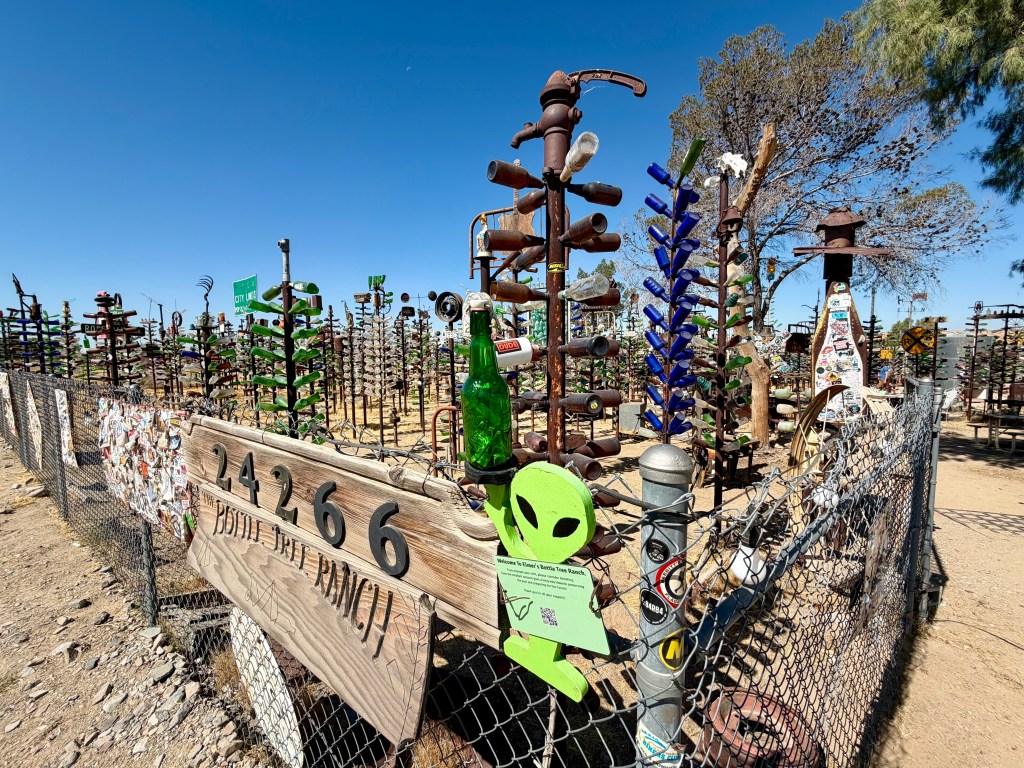
My first stop was Elmer’s Bottle Tree Ranch, a surreal installation of glass bottles, rusted signs, and scattered roadside relics. It doesn’t feel like a curated attraction so much as a place that has grown organically out of memory and imagination.
As the light shifted and the wind moved through the metal structures, the entire site felt almost alive—more like a landscape shaped by time than an art installation.
Victorville to San Bernardino
Victorville came and went without much impression, a reminder of how many towns along Route 66 now exist more in memory than in experience. Empty storefronts and faded signs lined parts of the road, traces of a busier past that has long since moved on. Soon after, I passed the remains of the old Summit Inn—now just a sign of what used to be, clinging to the edge of the highway.
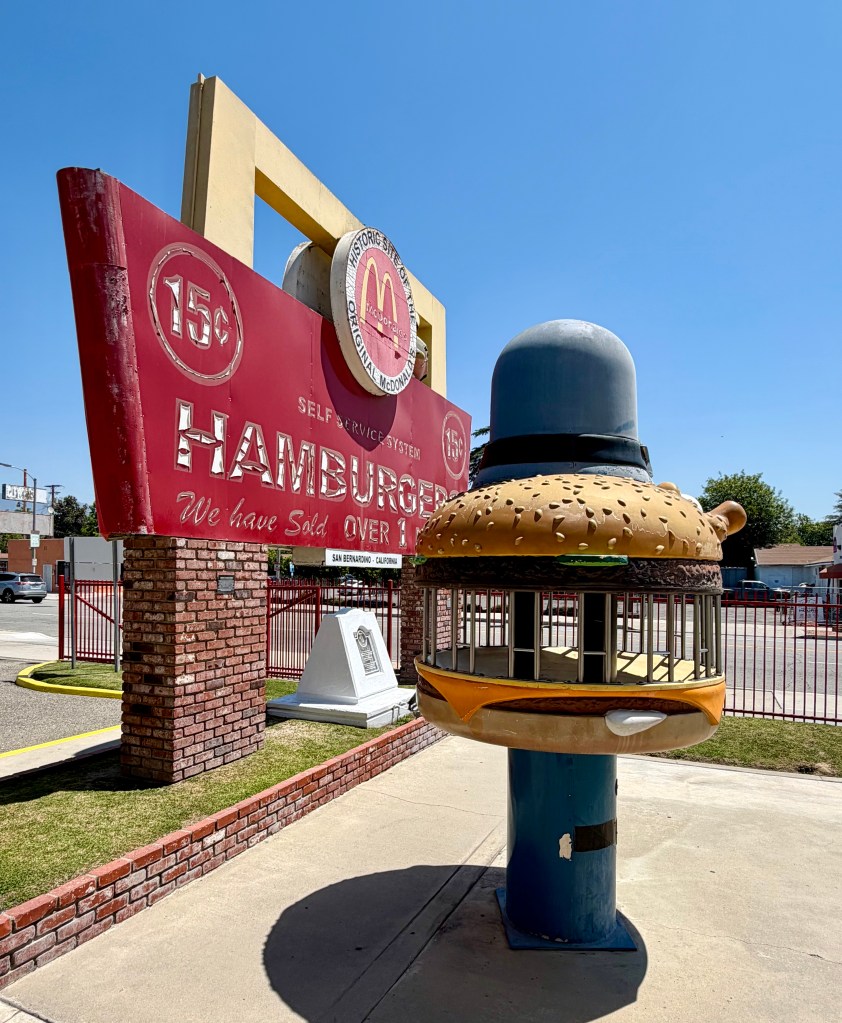
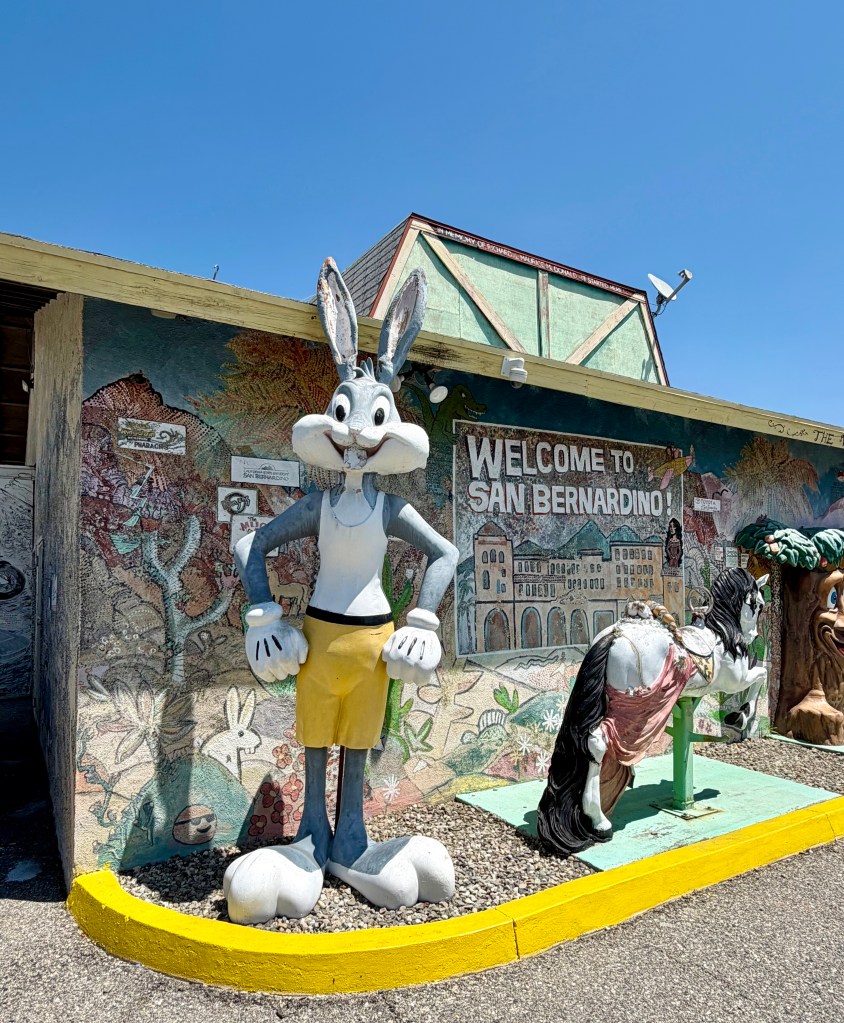
In contrast, the original McDonald’s Museum in San Bernardino was unexpectedly engaging. Inside were early memorabilia and artifacts tracing the brand back to 1940. It was a striking reminder of how something once small and local can grow into something global, shaped by the same highways that once carried roadside diners and neon signs.
The Last Wigwam Motel
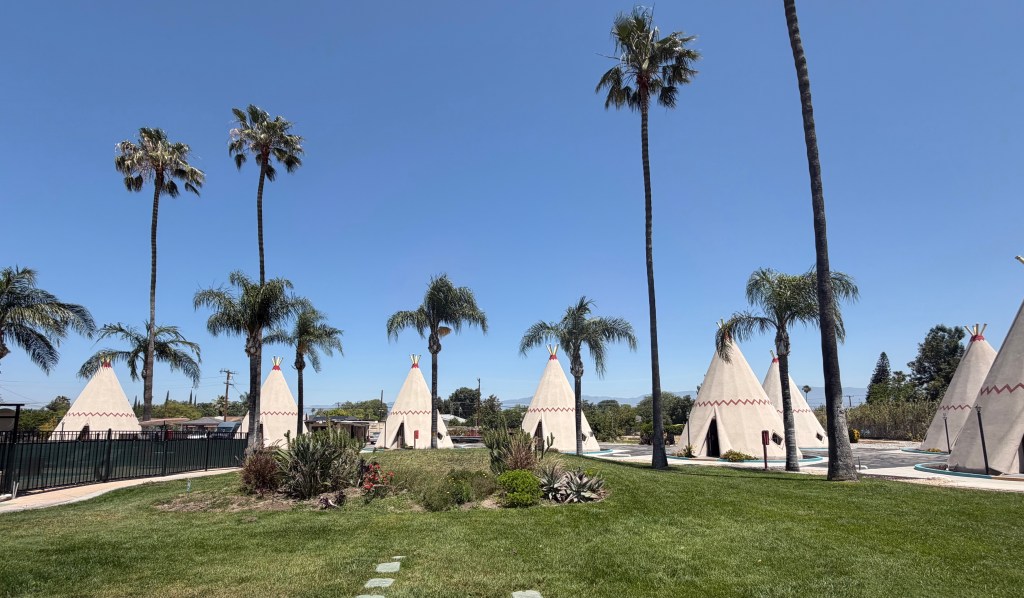
Next was the Wigwam Motel, one of the better-preserved stops along the route. Its concrete teepees still stand as a piece of roadside history, even if the surrounding area feels long past its prime. It’s one of those places that survives not because the world around it has, but because it refuses to disappear quietly.
Long Road to LA
From there, it was just 67 miles to Santa Monica. However, Los Angeles traffic turned it into nearly three hours.
By the time I reached Santa Monica, parking was impossible. I left the car about a mile from the pier and walked the rest, which somehow felt like the right way to finish. After so many hours behind the wheel, ending the journey on foot made everything feel more intentional.
Santa Monica Pier
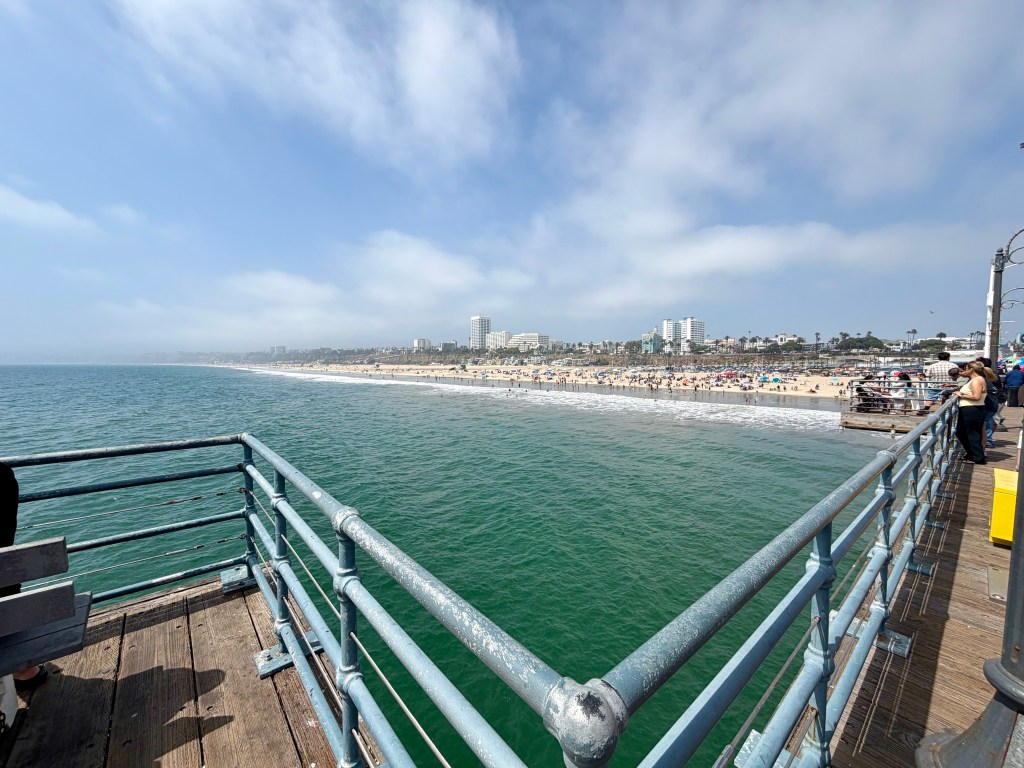
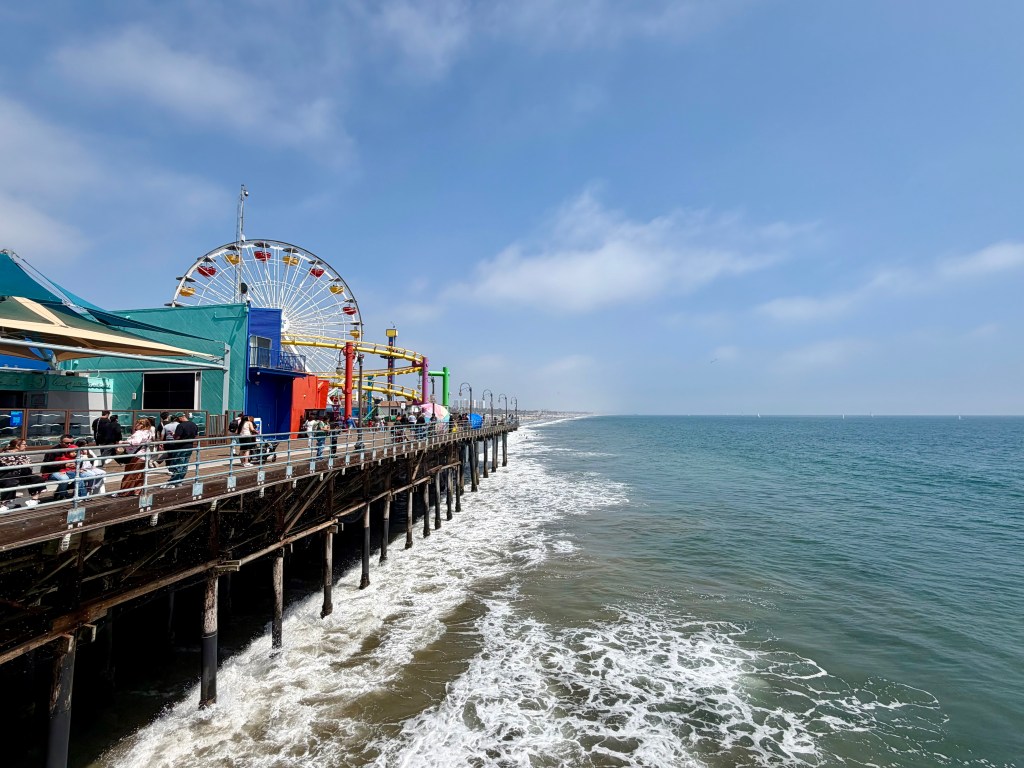
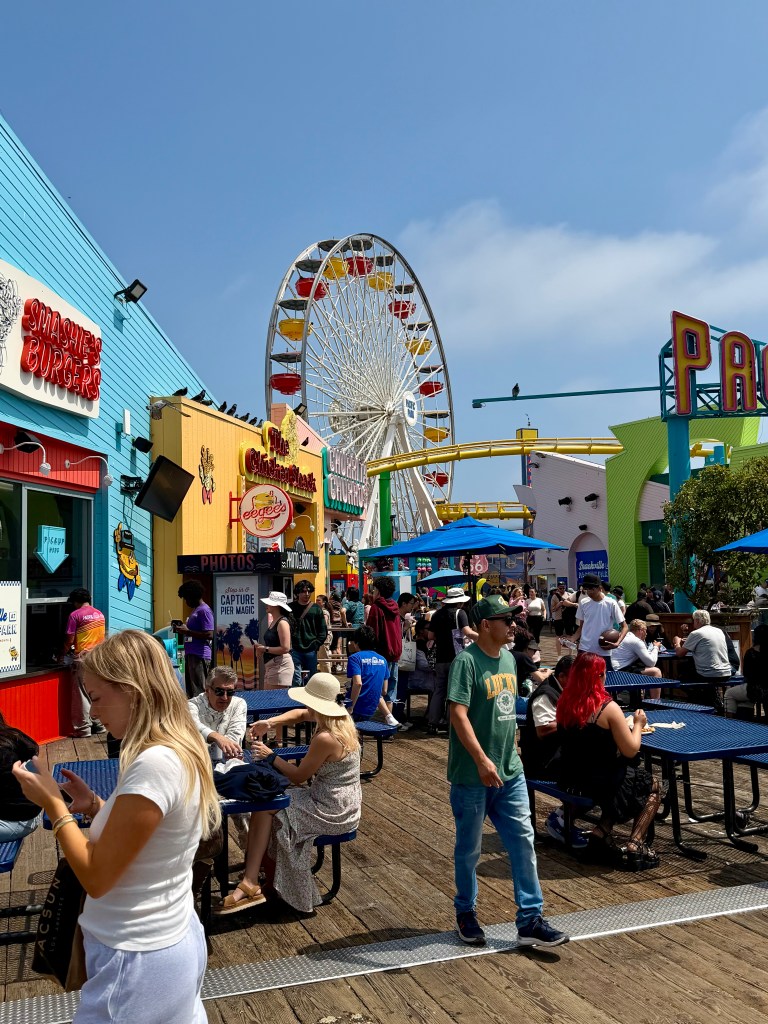
The pier was crowded and loud, a sharp contrast to the emptiness of the road that had preceded it. After days of desert highways and quiet towns, arriving there felt almost disorienting, like stepping into another world entirely.
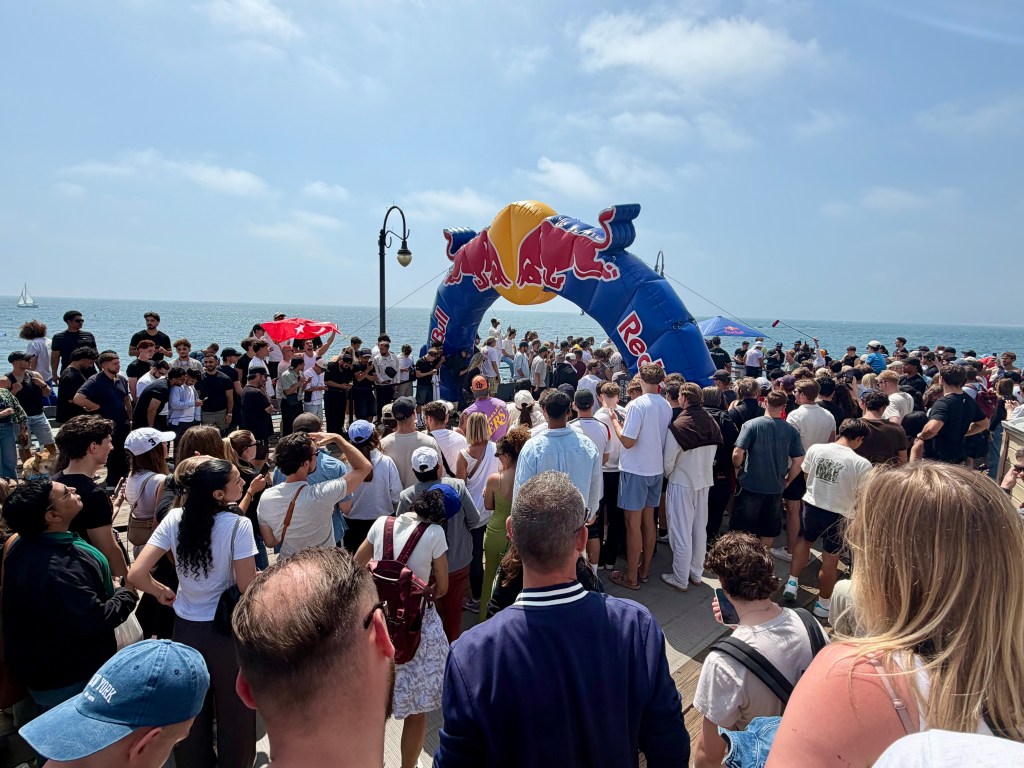
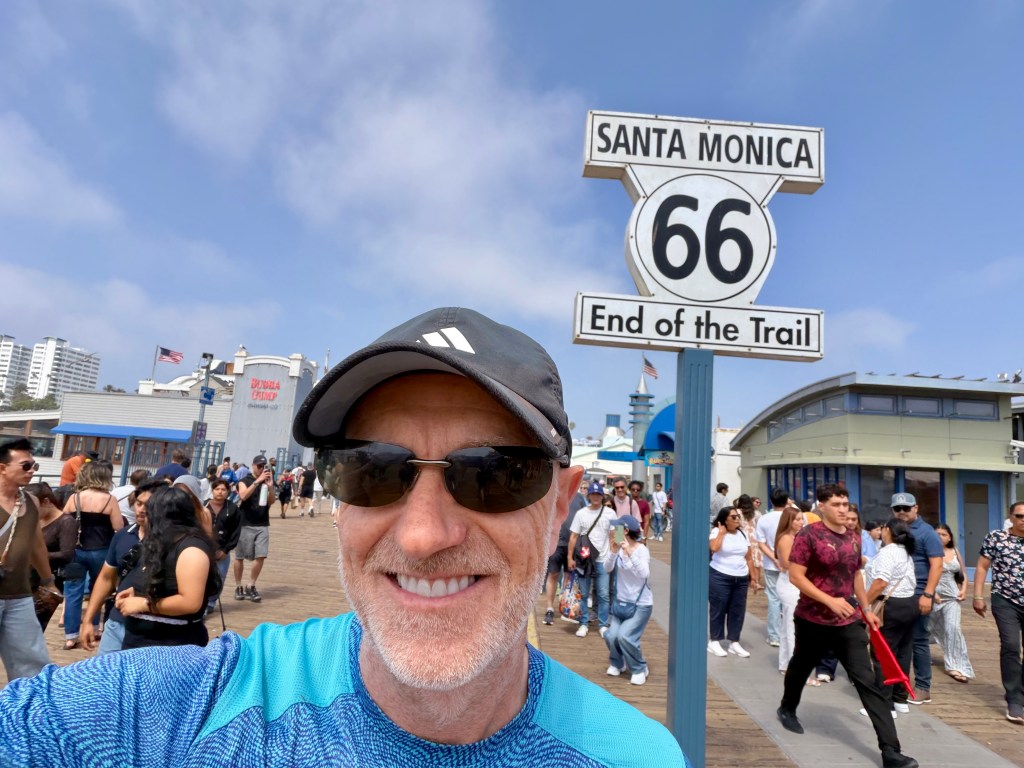
A cool ocean breeze drifted in from the Pacific as I finally caught sight of the Route 66 sign near the pier entrance. A Red Bull event was underway for a runner who had crossed Death Valley on foot—an effort that matched the scale of what Route 66 represents in its own way: endurance, extremes, and distance pushed to their limits.
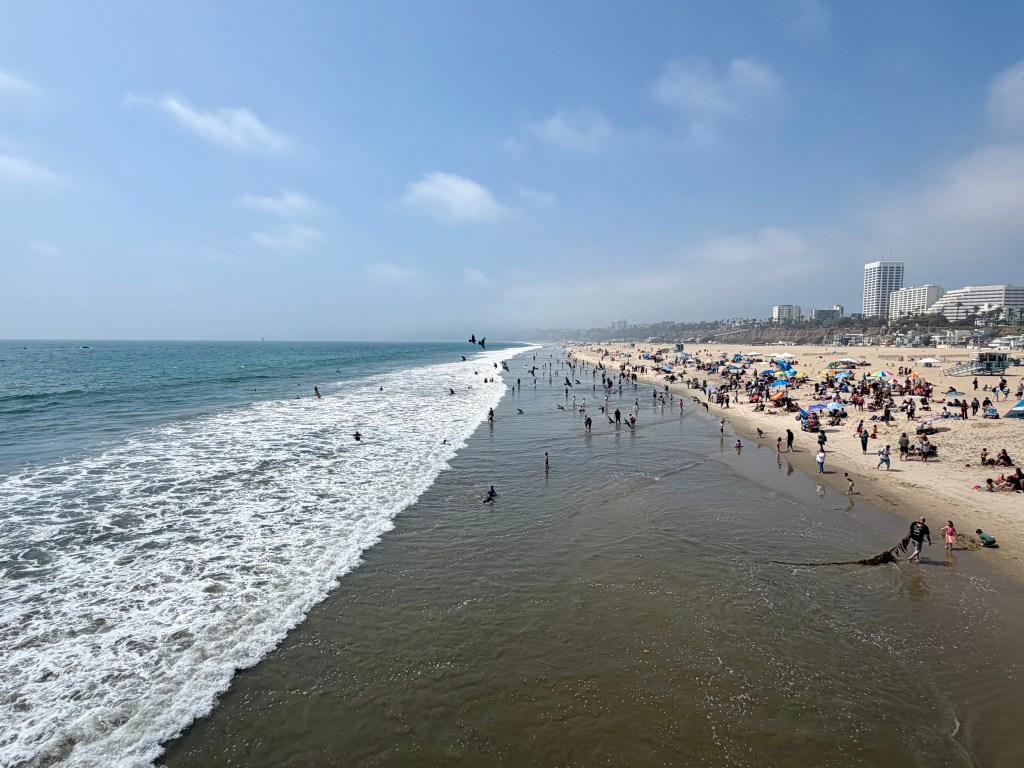
I spent time on the beach reflecting on the journey. Route 66 is defined by contrast: abandoned towns and thriving cities, silence and congestion, nostalgia and reinvention. That tension is what gives it meaning.
Sunset Strip
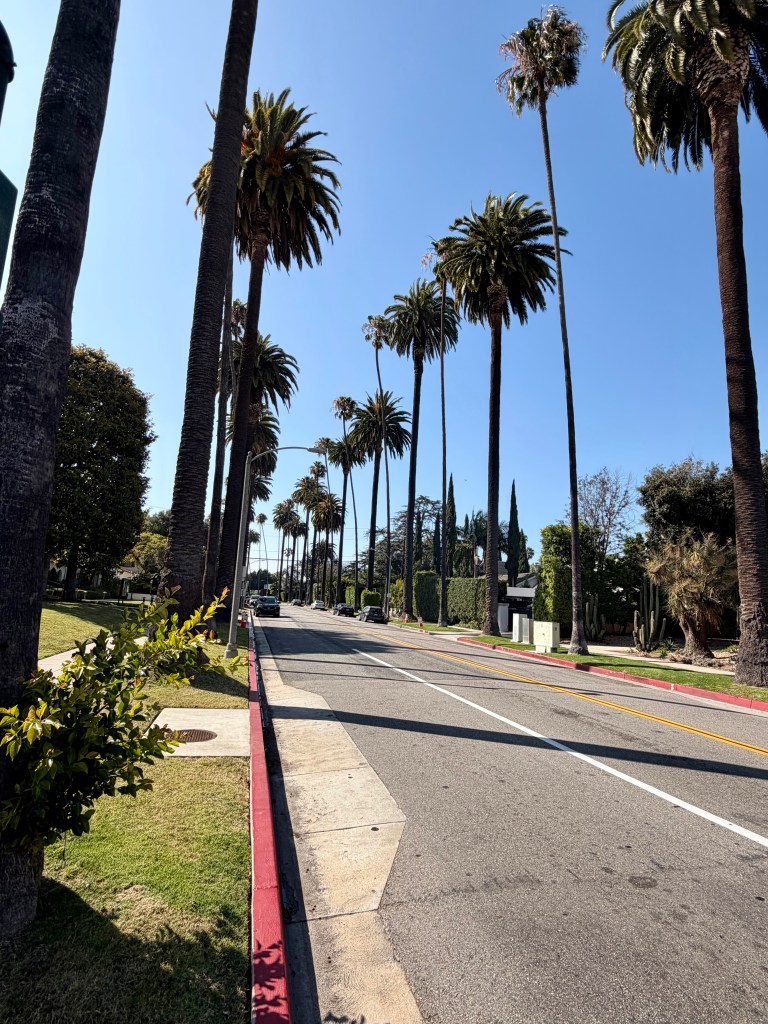
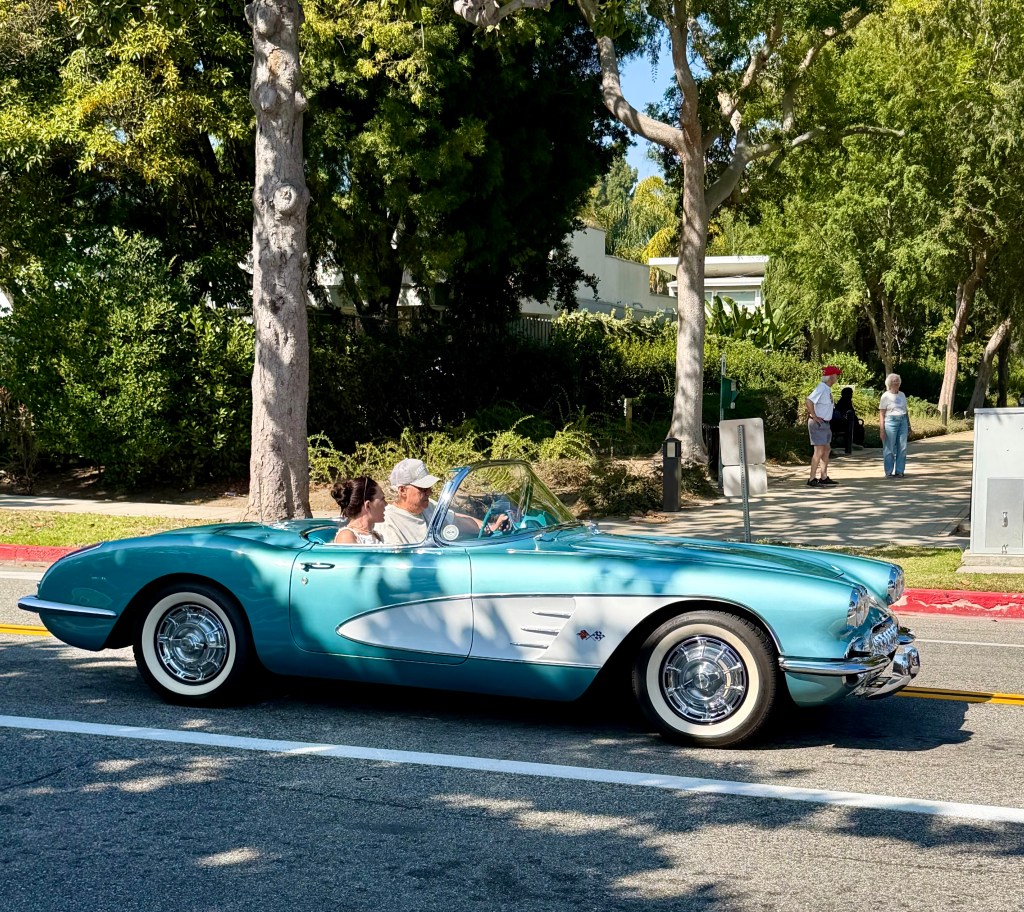
Later, walking along Santa Monica Boulevard, the beauty of Los Angeles returned in full—palm trees, mansions, lights, and iconic cars everywhere. The quiet rhythm of the road felt far away already.
The official end of Route 66 is the pier, but for me it came later that night on the Sunset Strip, sitting with a beer and looking back on the last few weeks crossing a road that was never just about getting from one place to another. It was about the space in between—the long stretches where nothing much happens, and everything seems to.
I hope that each of you reading this blog gets to experience your own form of Route 66.
Cheers, LC



Leave a Reply