Route 66 Day 2: Pontiac, Springfield to St. Louis
After a quick breakfast (just a power bar), I took one last walk through Pontiac. The town was already coming alive with fellow travelers—visitors from Italy, Germany, and Ireland, all drawn by the same pull of Route 66. There’s something quietly powerful about that shared sense of purpose, even among strangers. Many of us seemed to be from the same era, chasing a road that connects memory, nostalgia, and the open highway.
Heading south on the original Route 66, Interstate 55 hovered just feet away. The contrast never fades—modern speed versus the slower rhythm of the Mother Road. On 66, the lanes narrow, the pace softens, and time seems to stretch just enough to let the past catch up with you.
The small towns along the way feel like living time capsules. Quiet in places, yes—but not forgotten. Route 66 still breathes life into them through murals, vintage signs, roadside diners, and stories that refuse to disappear.
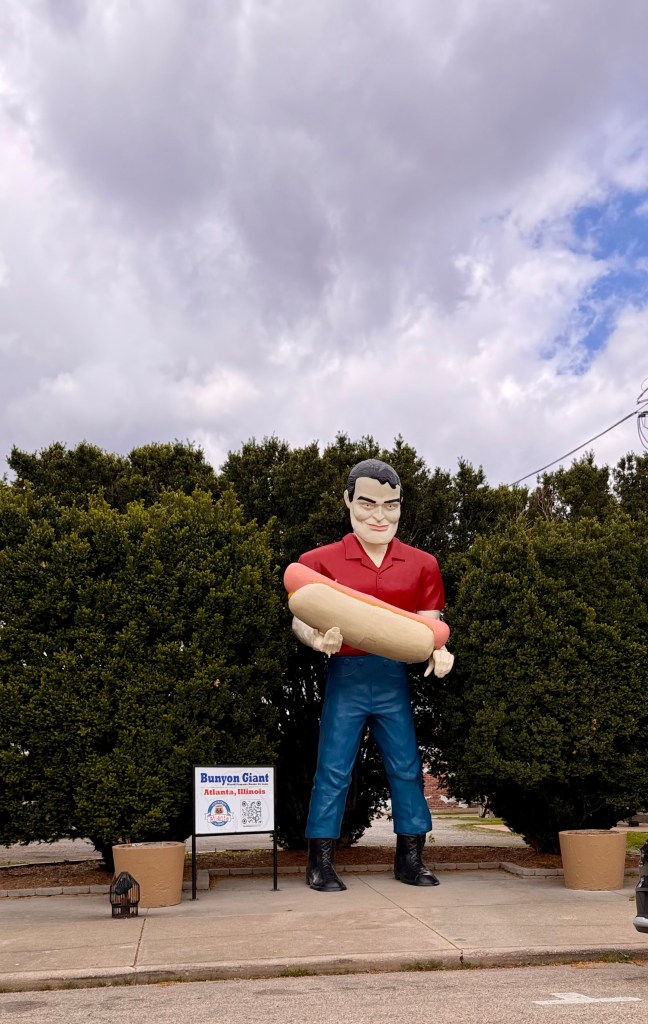
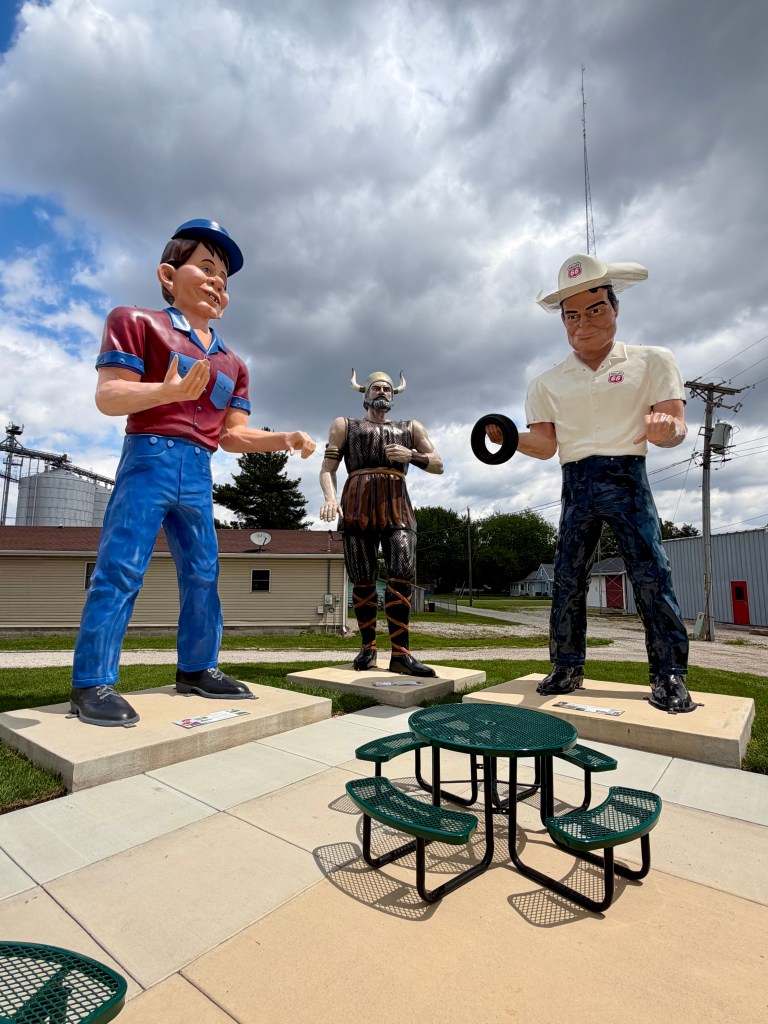
In Atlanta, Illinois—not Georgia—the road shows off its playful side. A towering Paul Bunyan statue hoists an oversized hot dog into the air, a bold piece of roadside Americana that’s impossible to miss. Just down the road, the Tall Paul statue adds to the charm. It’s quirky, a little absurd, and completely unforgettable—the kind of stop that reminds you Route 66 was never meant to be taken too seriously.
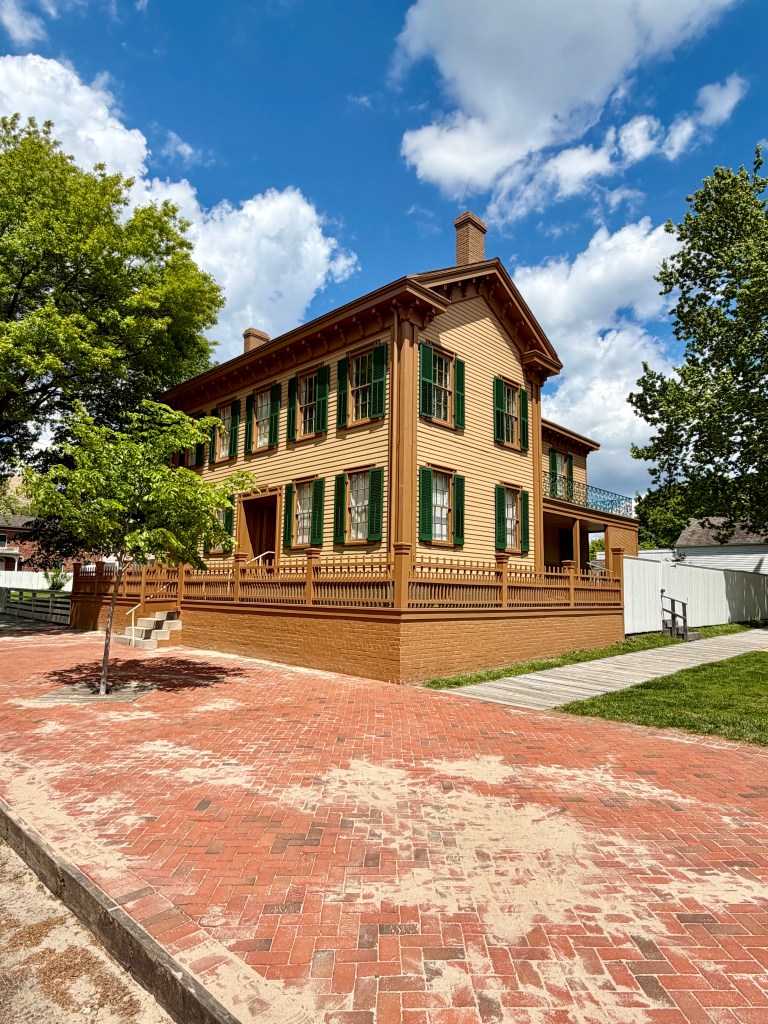
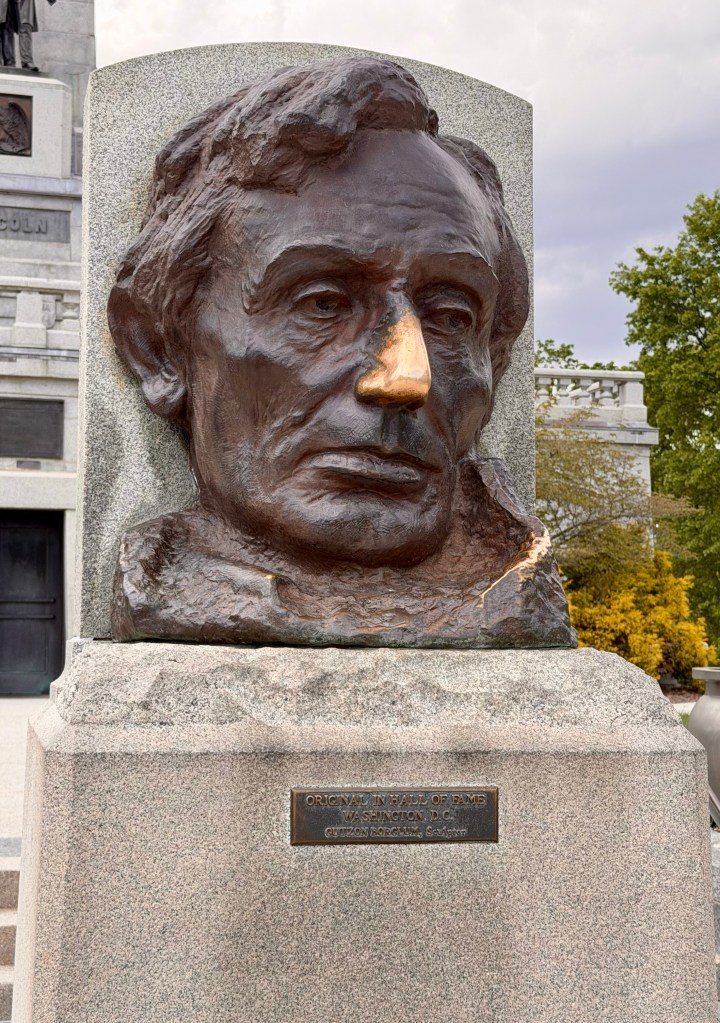
Approaching Springfield, the landscape opens into farmland shaped by the legacy of Abraham Lincoln. At the Lincoln Home National Historic Site, you get a glimpse into his early life, while the Lincoln Tomb offers a quieter, more reflective pause. I followed tradition and touched the nose of the bronze bust—polished bright from years of visitors doing the same, all hoping for a little extra luck on the road.
Springfield carries its Route 66 history proudly as well. The iconic Cozy Dog Drive In, marked by its unmistakable giant hot dog sign, claims its place as the birthplace of the corn dog—a perfect blend of nostalgia and roadside culture.
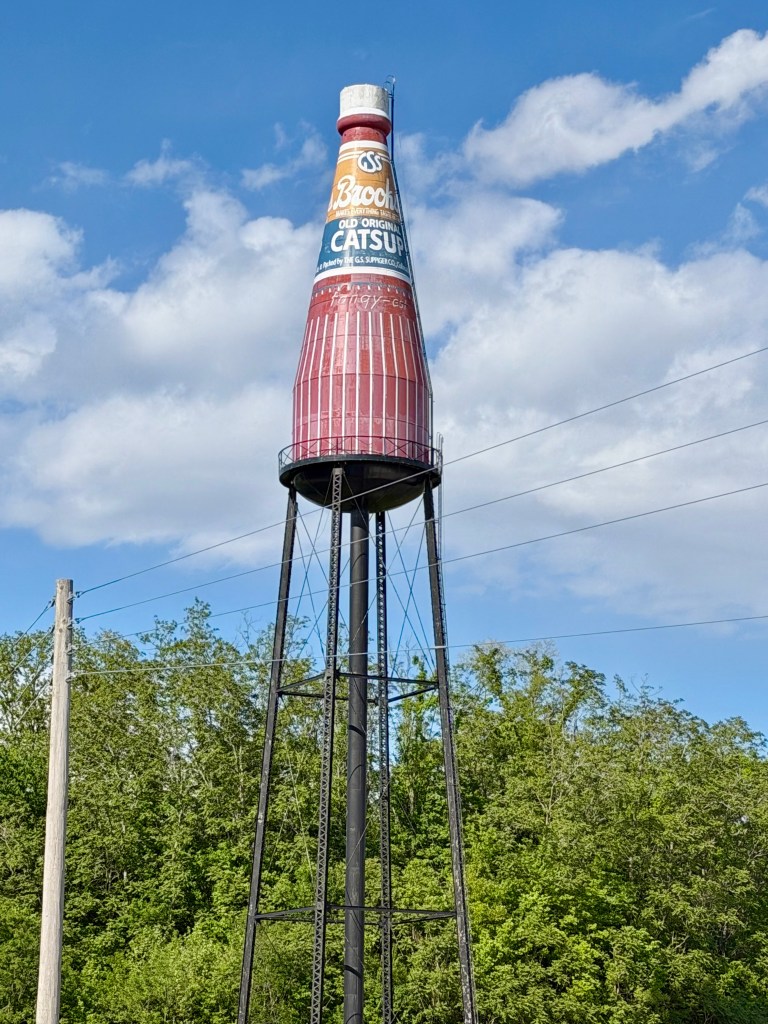
A short drive south in Collinsville brought one of the day’s most delightfully odd stops: the Brooks Catsup Bottle Water Tower. Standing 170 feet tall, this giant ketchup bottle water tower is pure Route 66—unexpected, a little quirky, and somehow completely essential to the experience.
Crossing the Mississippi
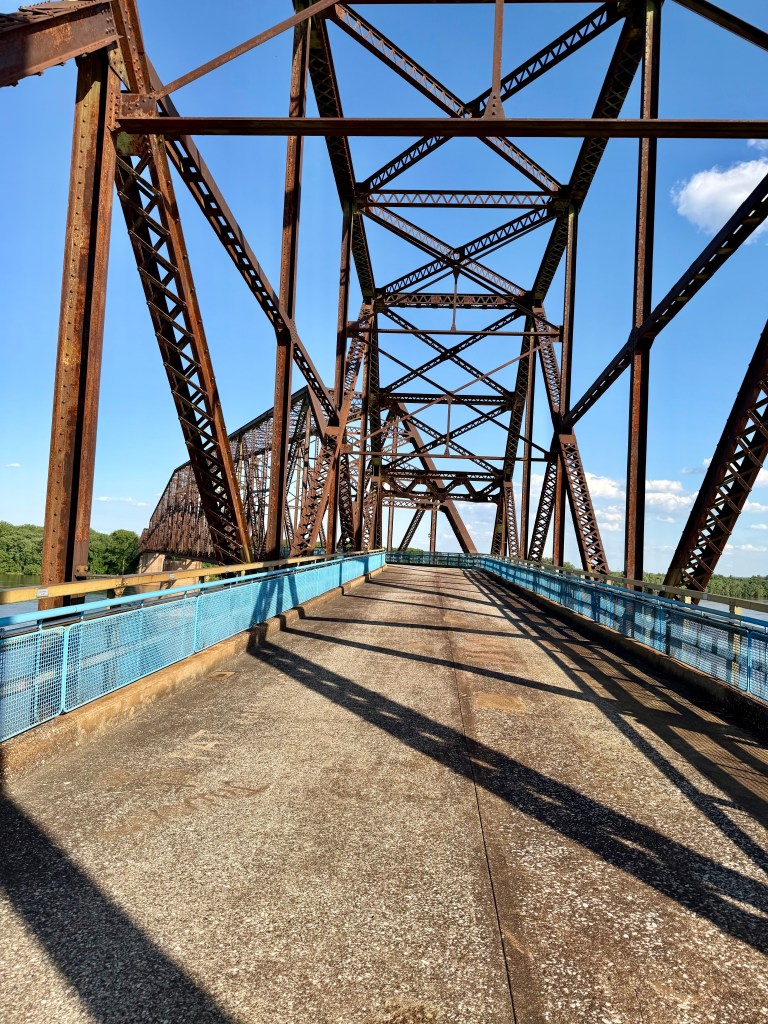
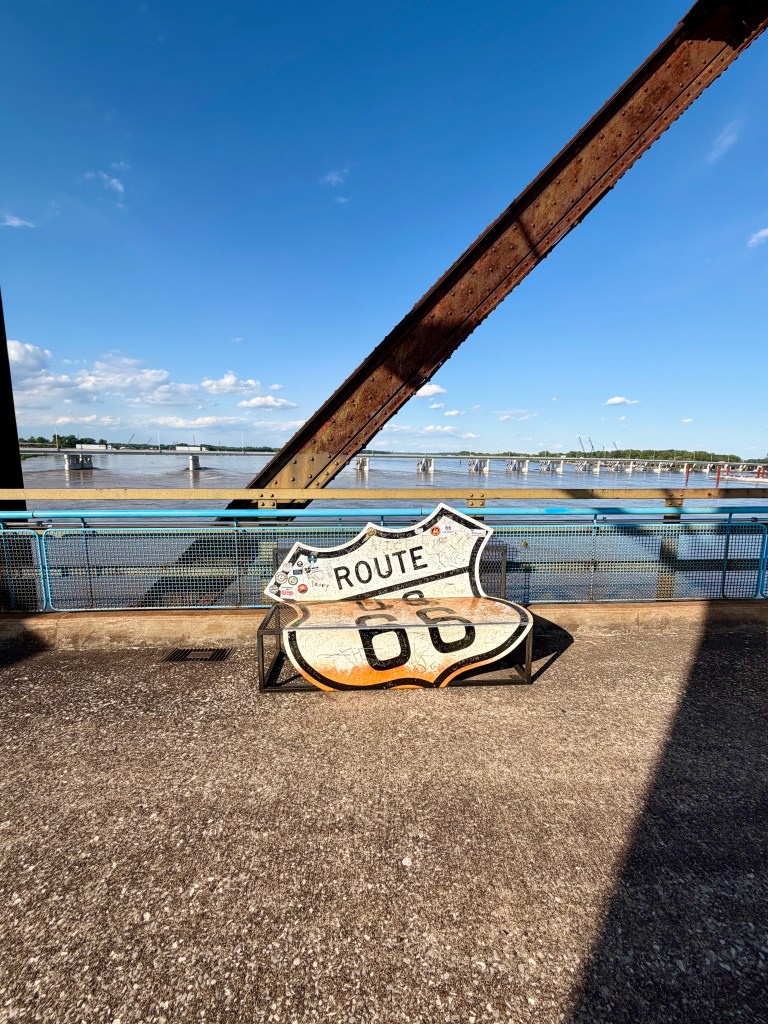
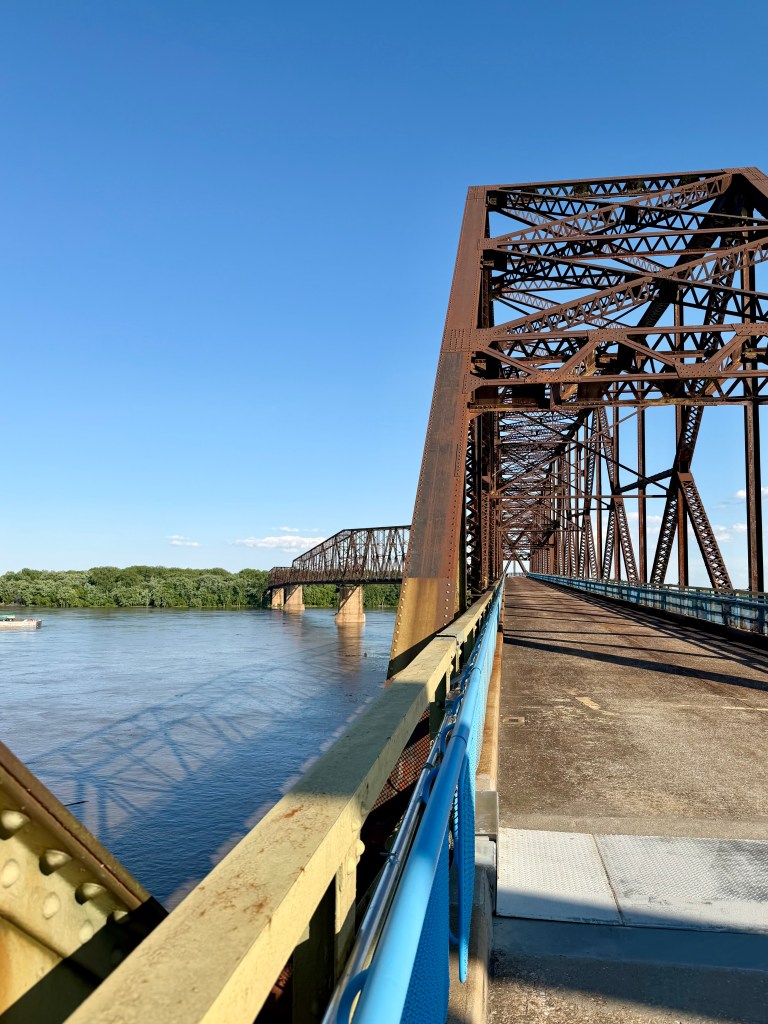
As the day began to wind down, the road led toward the Mississippi River and one of Route 66’s most distinctive crossings: the Chain of Rocks Bridge.
Built in 1929 to carry traffic across the river, the bridge is famous for its unusual 30-degree bend mid-span—an engineering solution to navigate tricky river conditions. Walking it today, the turn feels almost symbolic, as if the road itself is asking you to slow down and take notice.
Halfway across, I paused. On one side, Illinois; on the other, Missouri. The Mississippi flowed steadily beneath, and for a moment, everything felt still. It’s the kind of place that invites reflection—not just on the journey, but on all the travelers who’ve passed this way before.
St. Louis: Gateway to the West
By evening, I reached St. Louis—long considered the starting point of westward expansion, from the days of the Lewis and Clark Expedition onward.
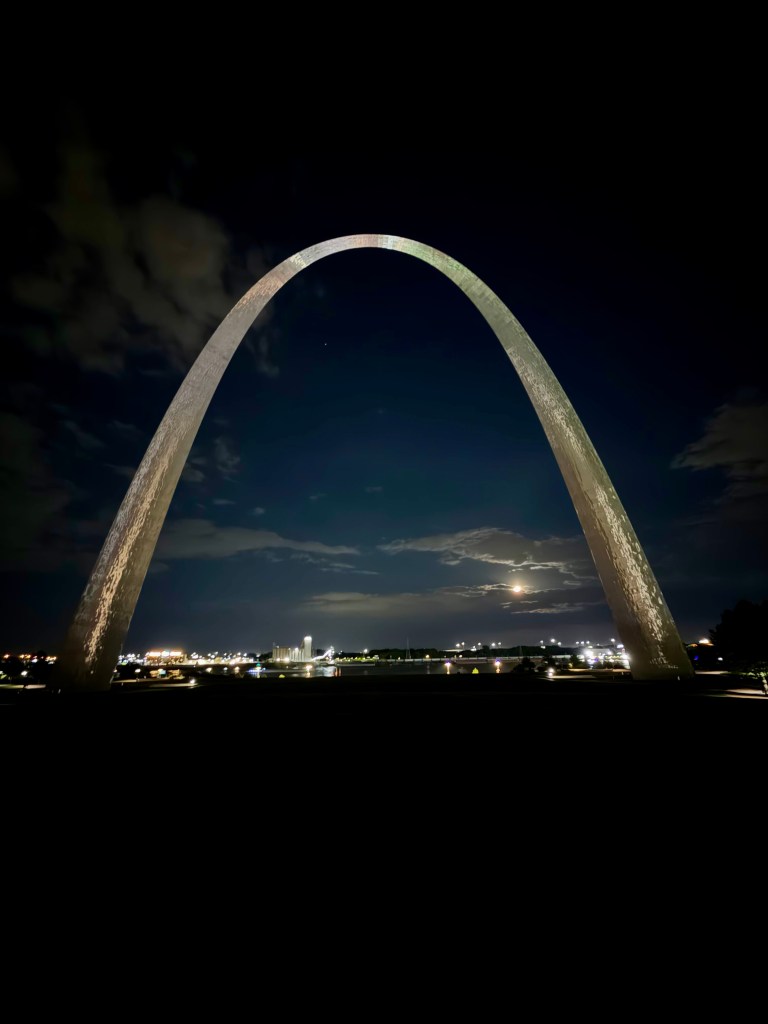
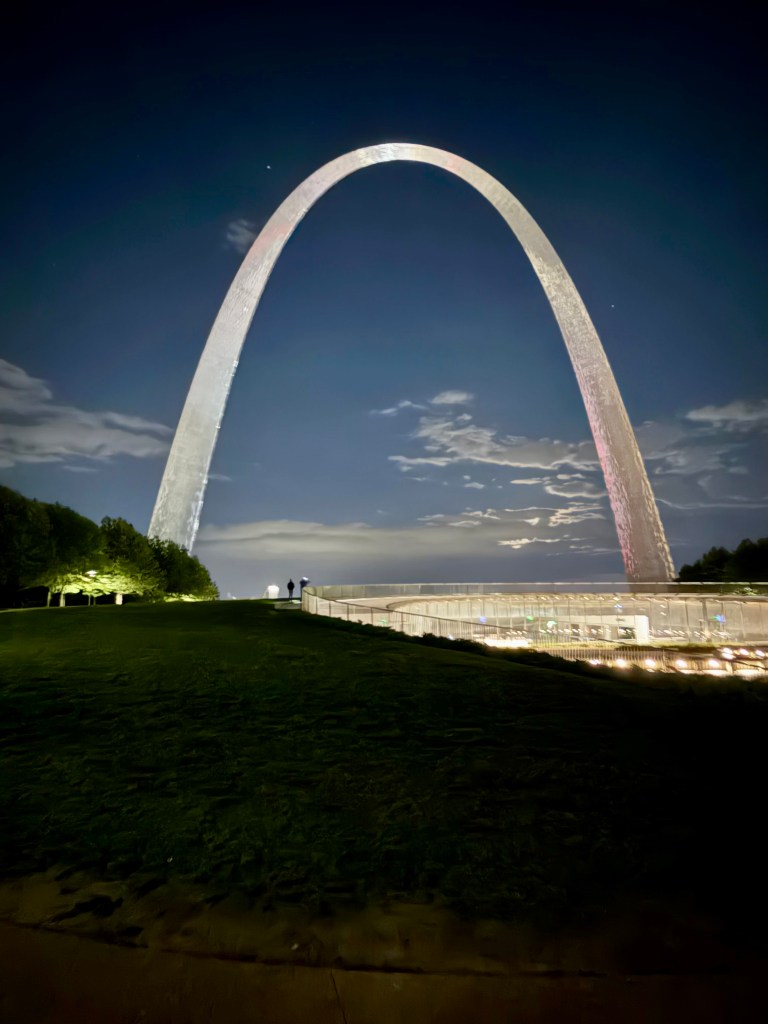
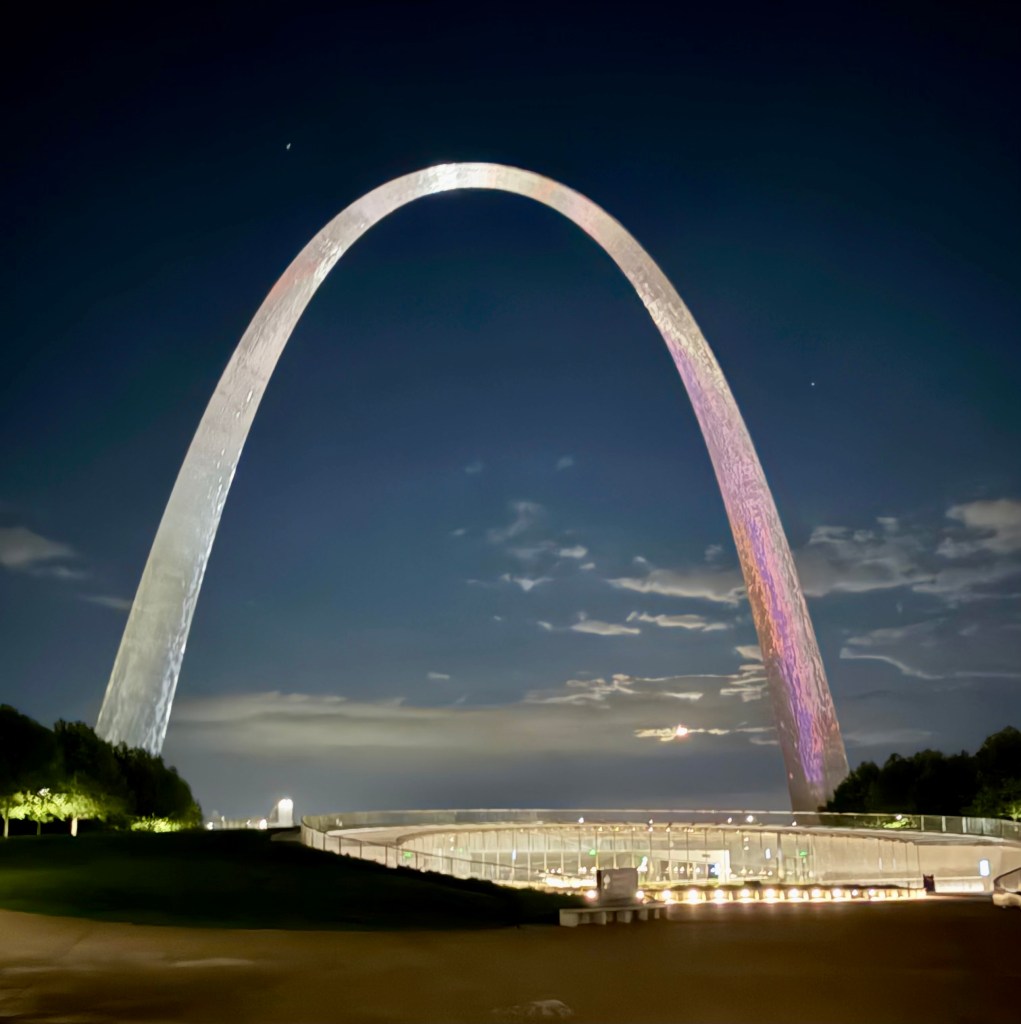
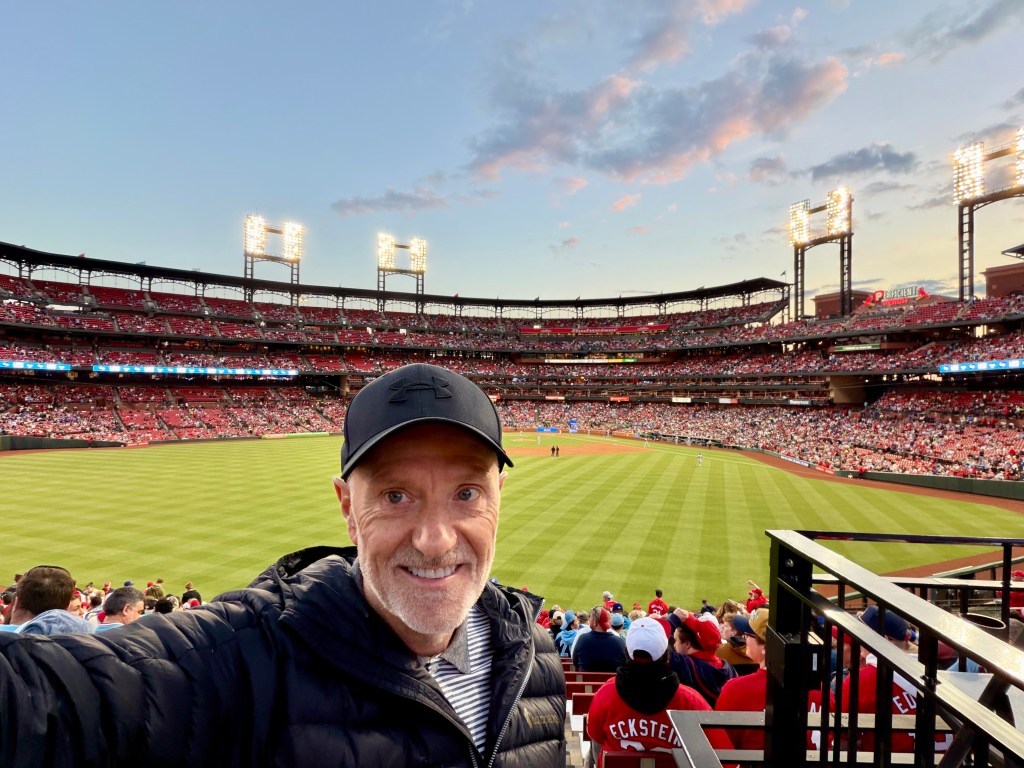
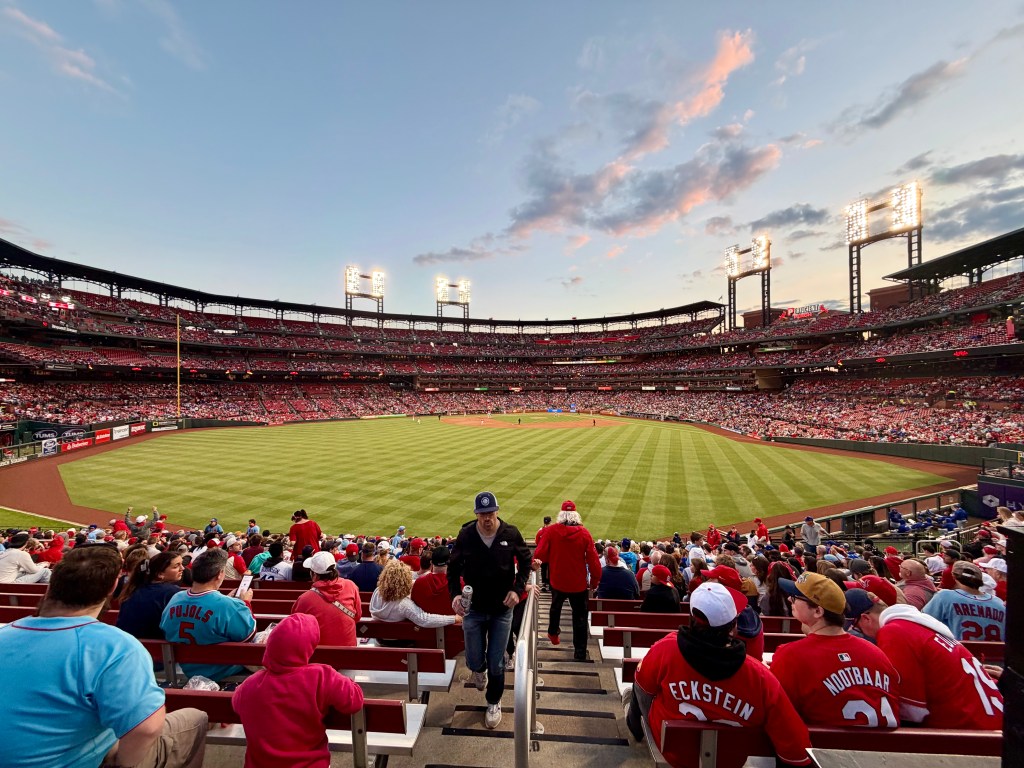
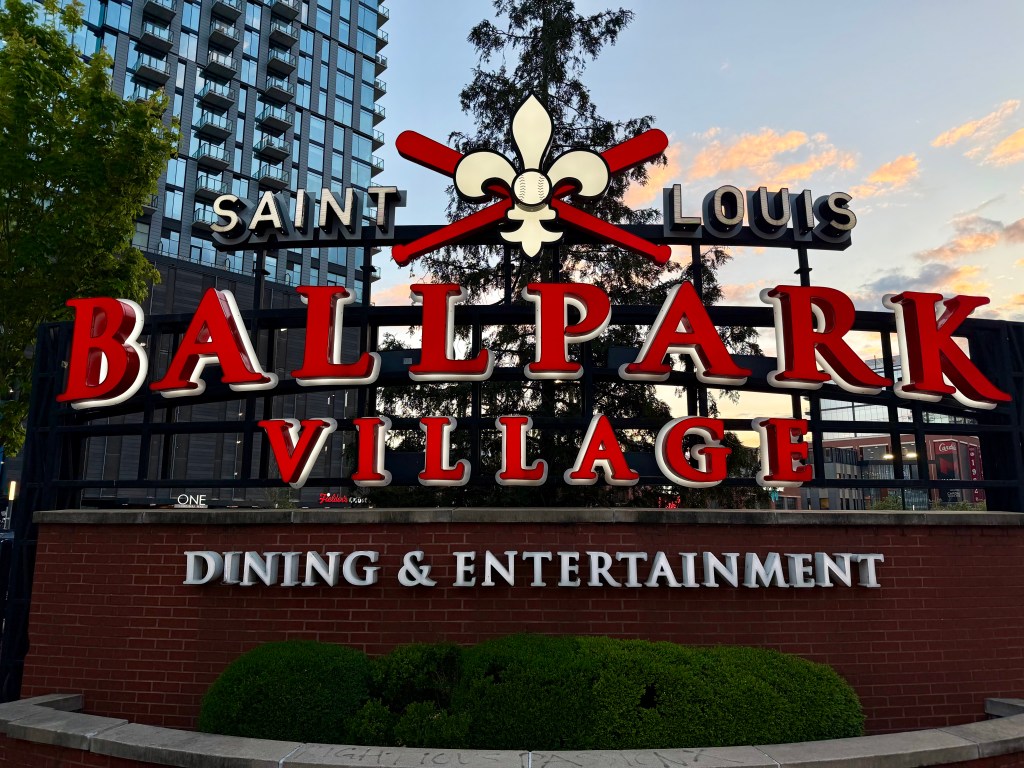
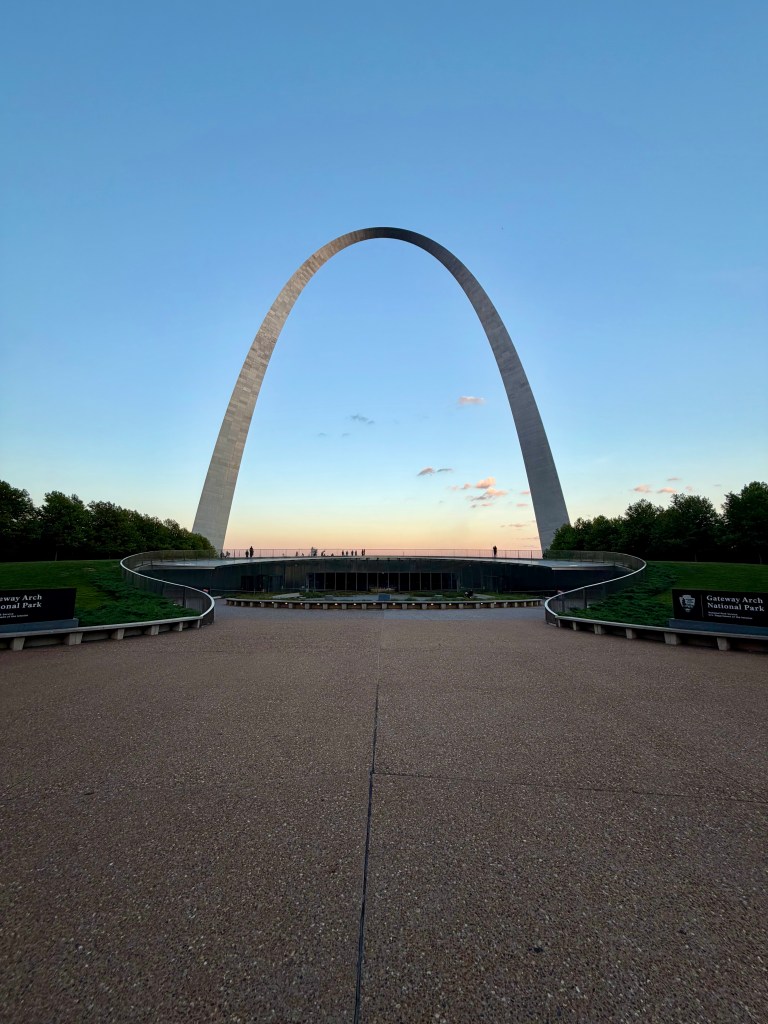
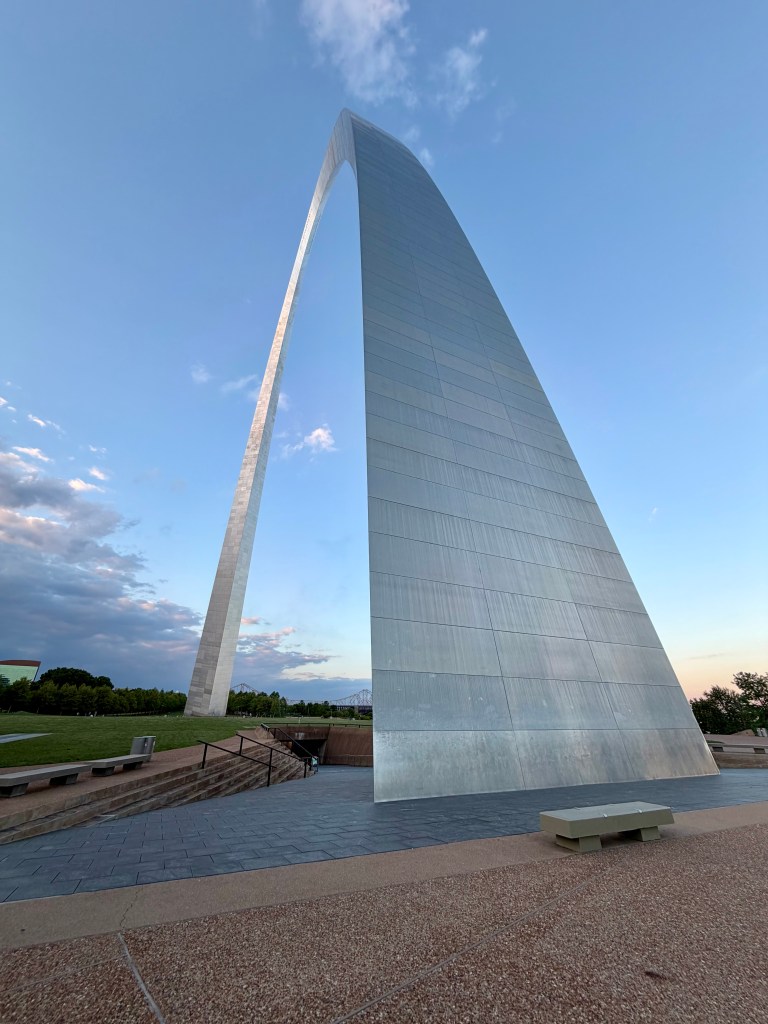
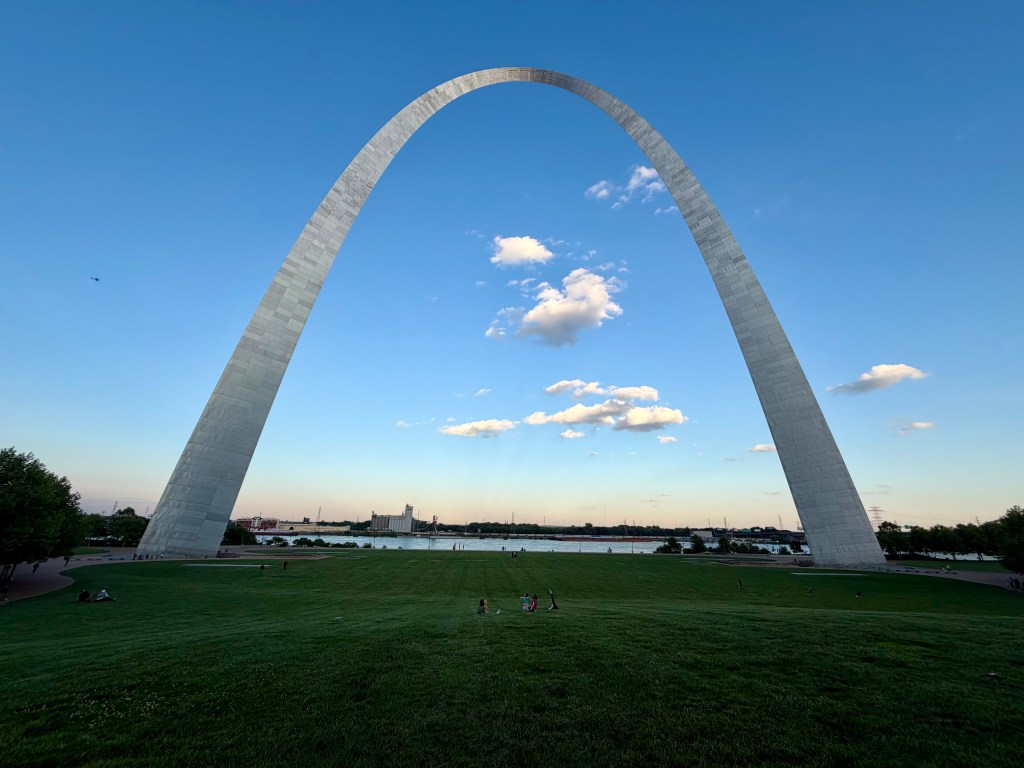
I arrived just in time to catch sunset at the Gateway Arch, its stainless steel curve reflecting the fading light. From there, I headed to the ballpark for a game between the St. Louis Cardinals and the Los Angeles Dodgers—a perfect way to end the day.
Later that night, I returned to see the Arch again, glowing beneath the rising moon. After miles of back roads, roadside stops, and quiet reflections, it felt like the perfect closing scene.
And, after a long day on the Mother Road, I was more than grateful to be ending it in a hotel.


Leave a Reply