Berceto to Pontremoli – Day 50 on the Via Francigena
I kicked off today in true Italian style: sitting at a local village café at 6 AM, savoring a strong espresso and a buttery brioche. What a way to fuel up for the day!
One thing that struck me immediately was how well-dressed the locals were—even at this early hour. It’s clearly a ritual, a community gathering over coffee, whether people are heading to work or not. It’s such a charming and civilized tradition.
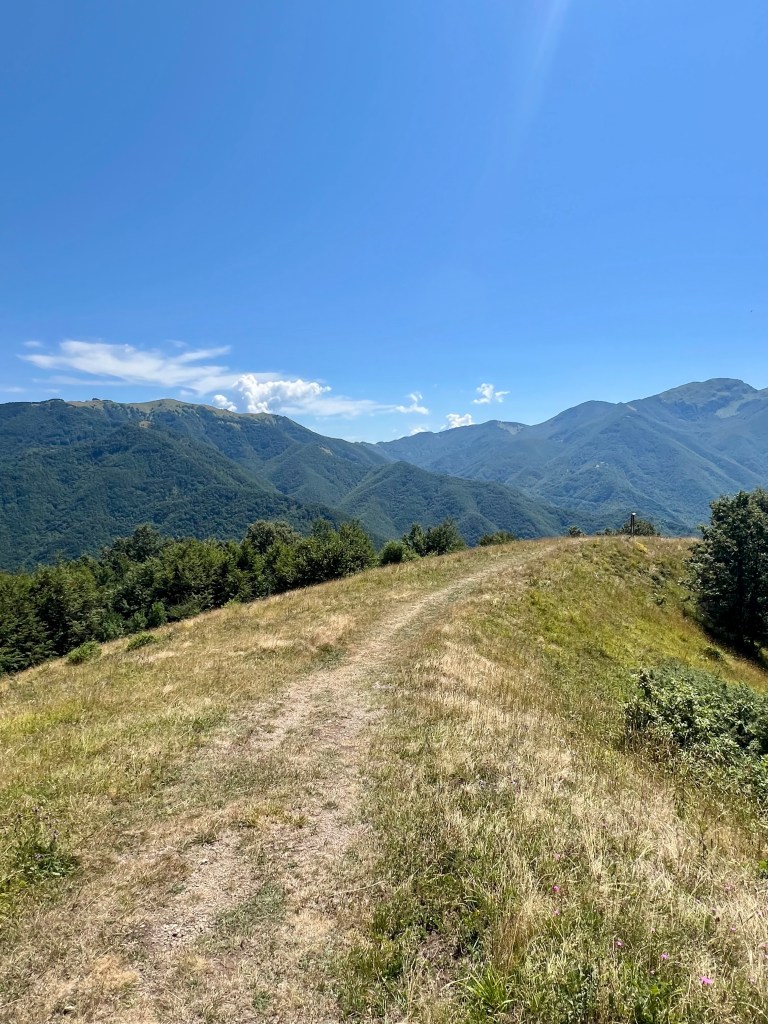
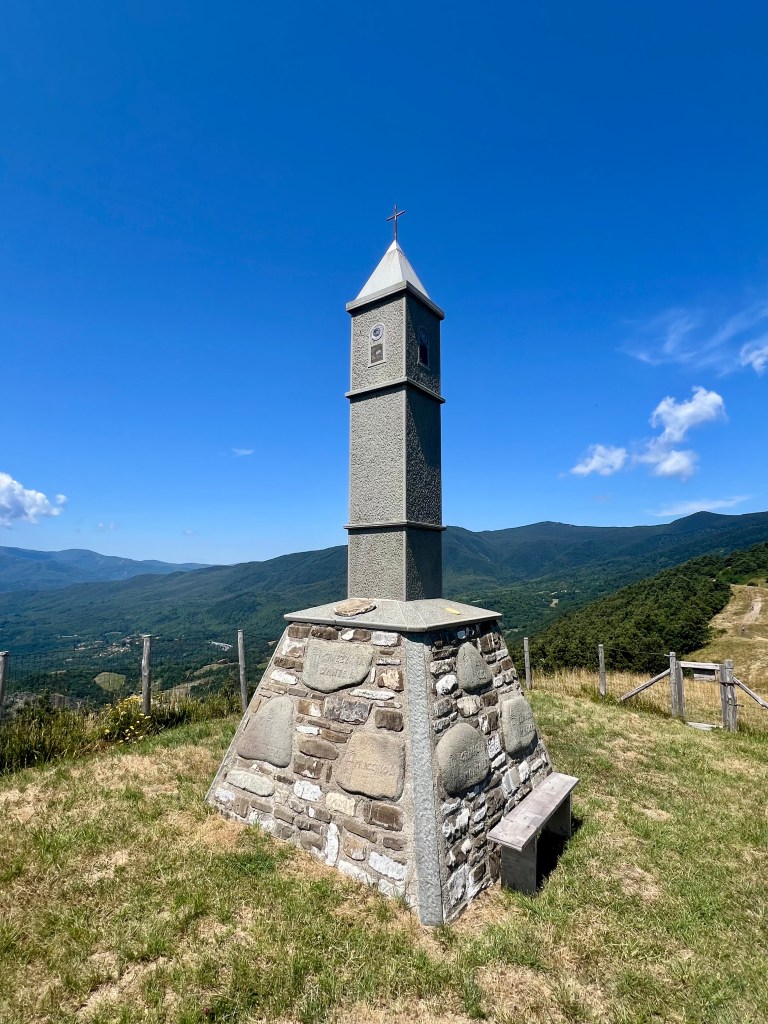
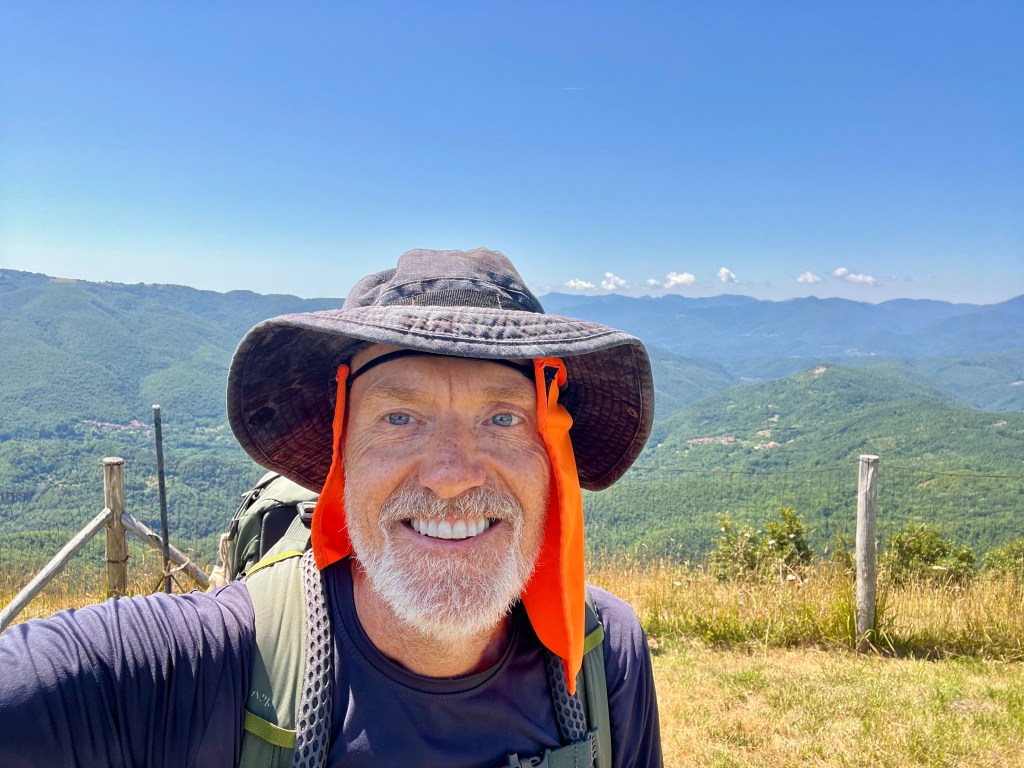
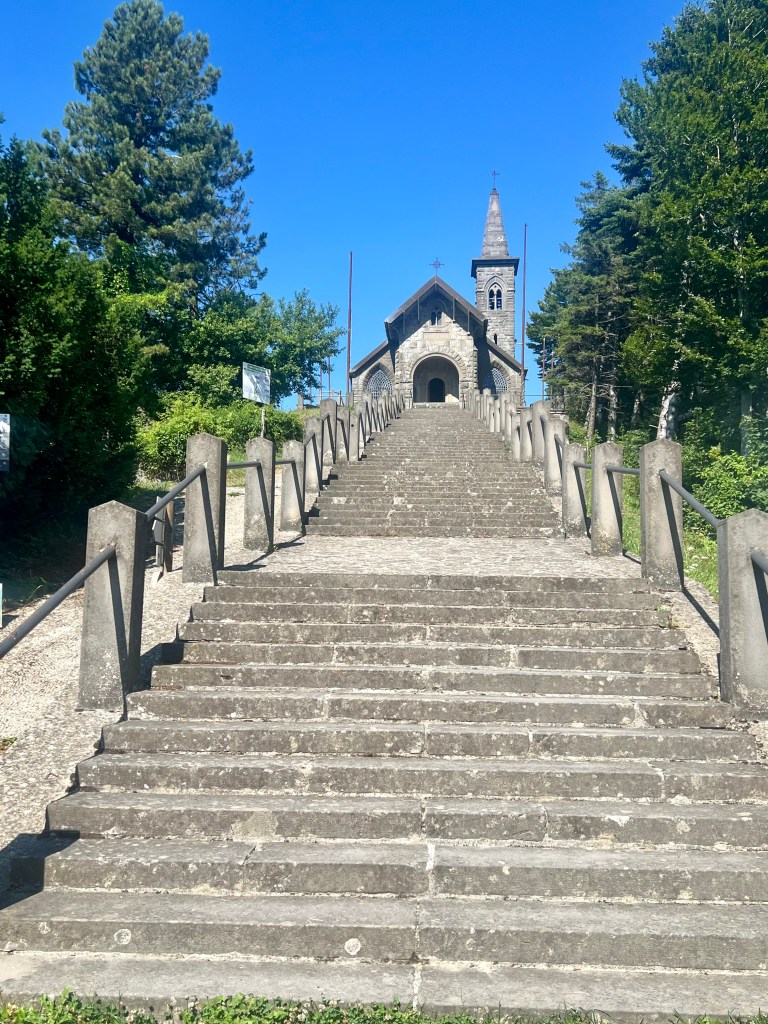
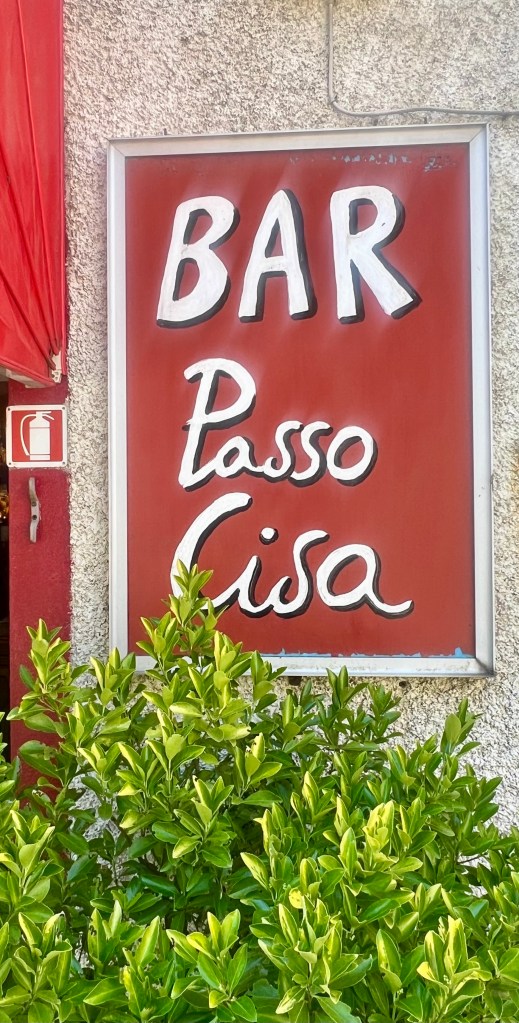
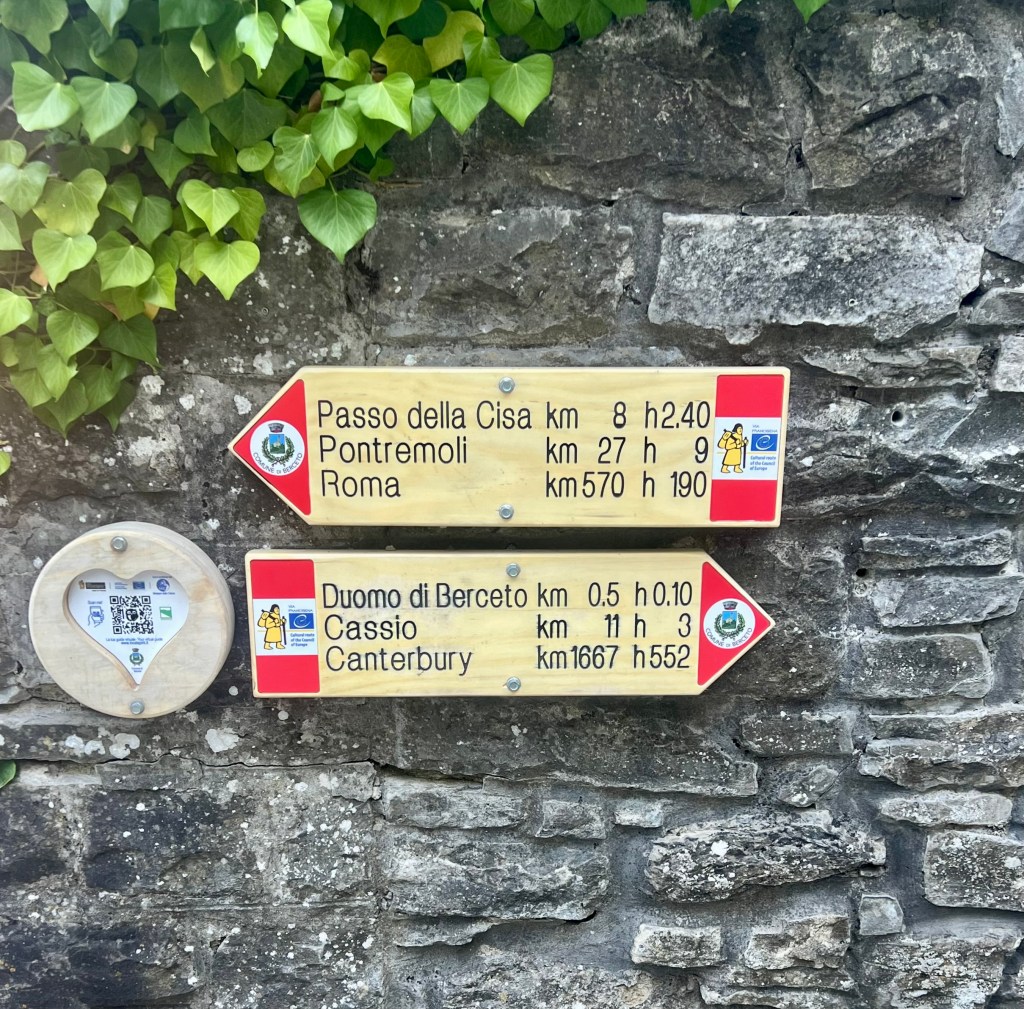
Today’s hike took me deep into the hills again, all the way up to the highest point of the Italian stretch of the Via Francigena: Passo della Cisa. At an elevation of 1,041 meters (3,415 feet), this mountain pass marks the border between Emilia-Romagna and Tuscany.
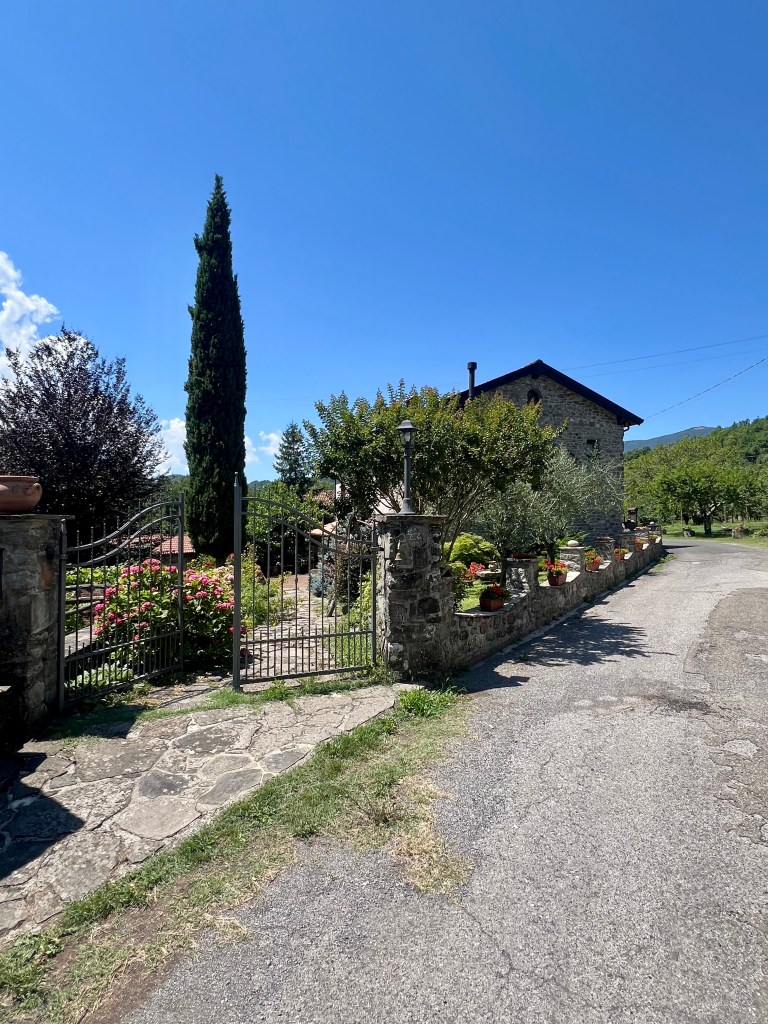
By 10 AM, I found myself standing atop the pass, officially entering Tuscany. It felt like a milestone—symbolic in so many ways. Tuscany, with its rolling hills, cypress-lined roads, vineyards, and Renaissance art, is the cultural heart of Italy. And let’s not forget the food! For pilgrims walking the Via Francigena, arriving in Tuscany feels like stepping into a living storybook—where the landscape softens, and the flavors deepen.
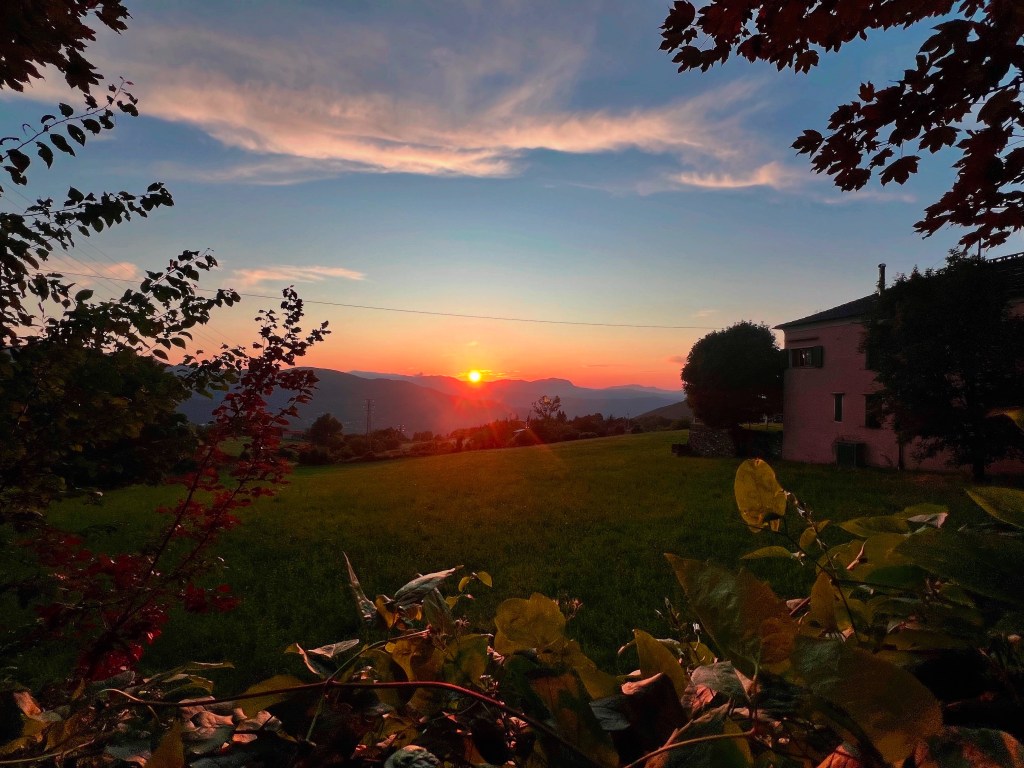
As it’s Day 50 of my journey, I’ve certainly had my fair share of tough days, but today’s hike was on another level. The temperature soared into the mid-90s°F (mid-30s°C), and the relentless up-and-down climbs tested me both physically and mentally. The steep descents were just as grueling as the ascents, and the midday heat didn’t make things any easier. But despite the challenges, the scenery was breathtaking. There’s something deeply rewarding about pushing through to the finish line—even if it means arriving two hours behind schedule.
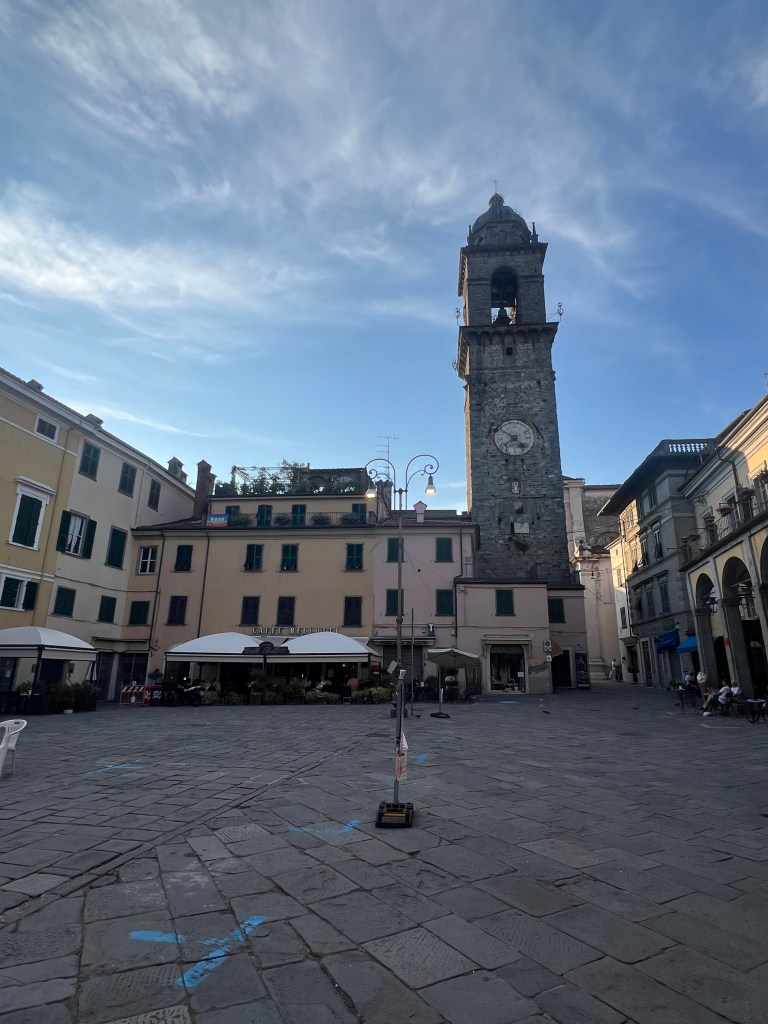
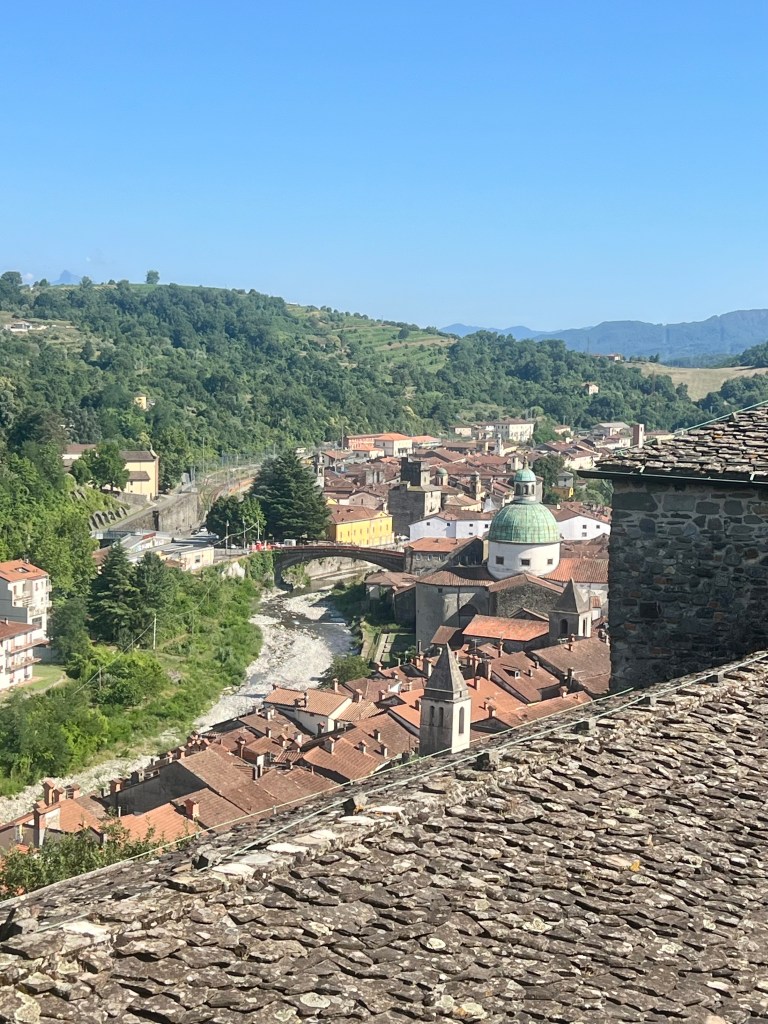
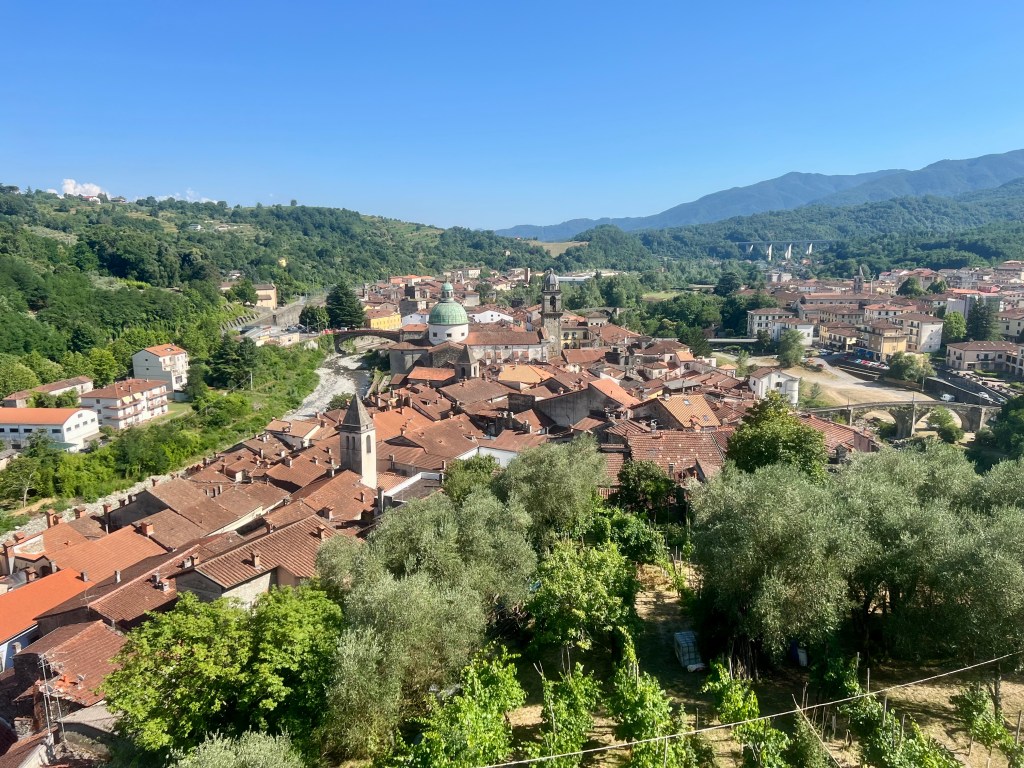
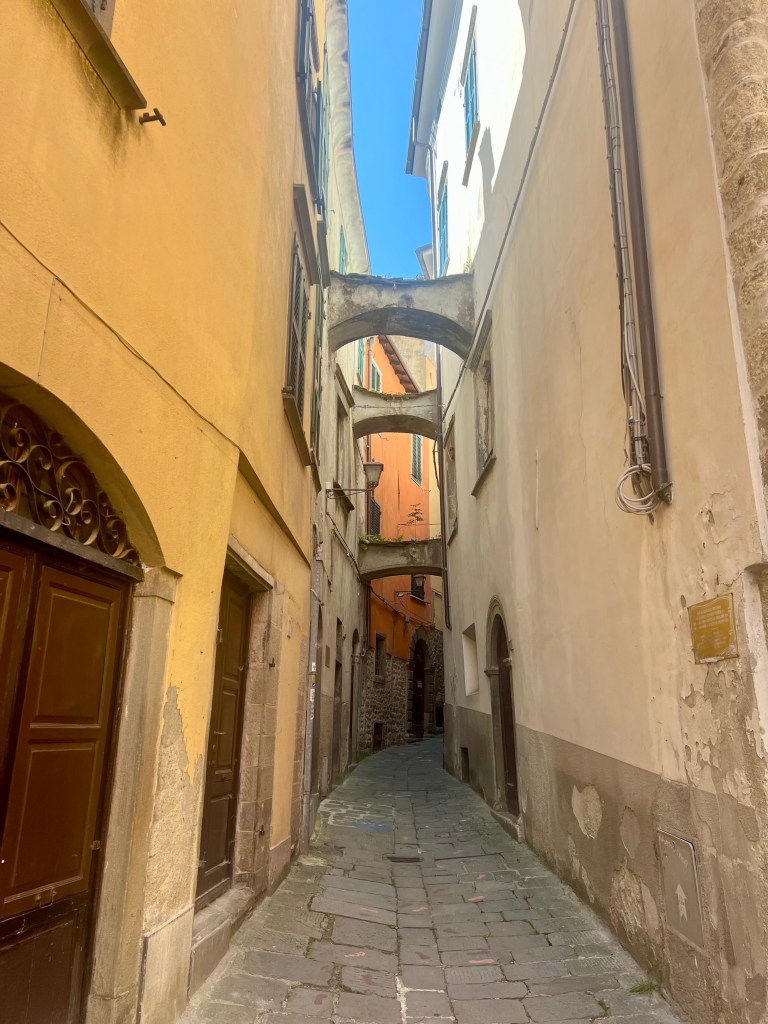
By 4:30 PM, I finally reached Pontremoli—exhausted but proud. Nestled in northern Tuscany’s Lunigiana region, Pontremoli is a medieval treasure. With its Romanesque churches, cobbled streets, and literary history, it’s easy to see why it’s known as the “gateway to Tuscany” for Via Francigena pilgrims.
The town exudes charm, and its welcoming trattorias are the perfect spot to enjoy a much-needed meal after a long day. And here’s a fun twist to cap off the day: Earlier, while passing through the pass, I randomly picked a number from my guidebook and called ahead to book a room. The directions led me… uphill… to a castle. After today’s exhausting trek, I’ll admit, the last thing I wanted to face was another hill. But the directions were spot-on.
Tonight, I’m sleeping in a castle!
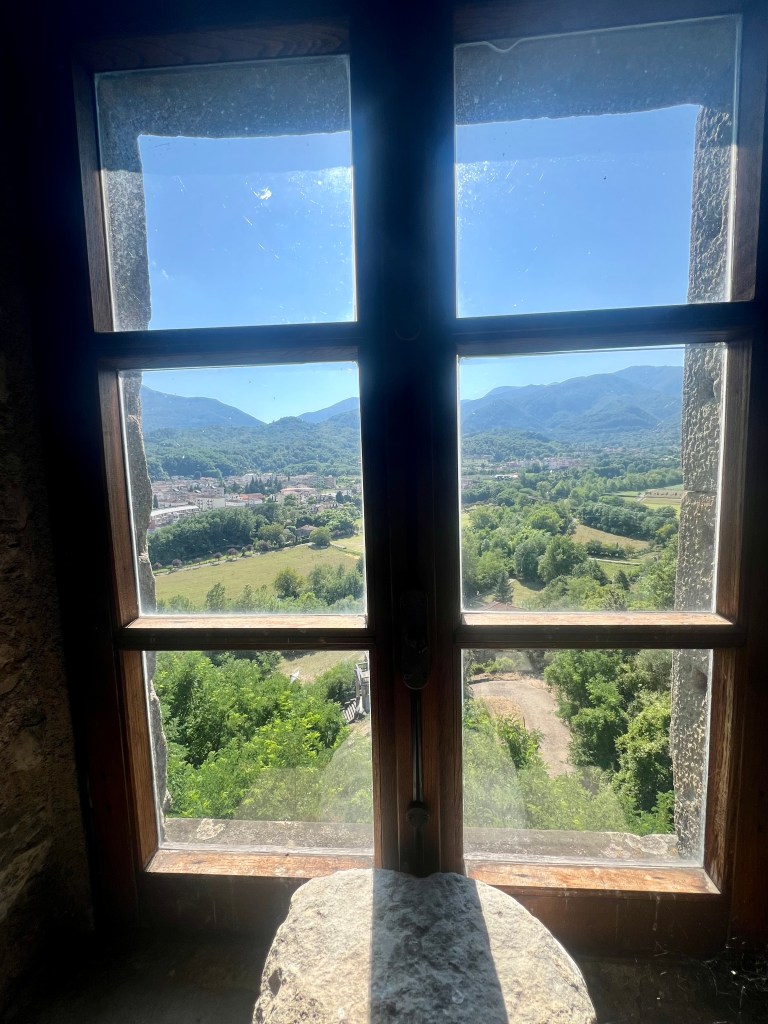
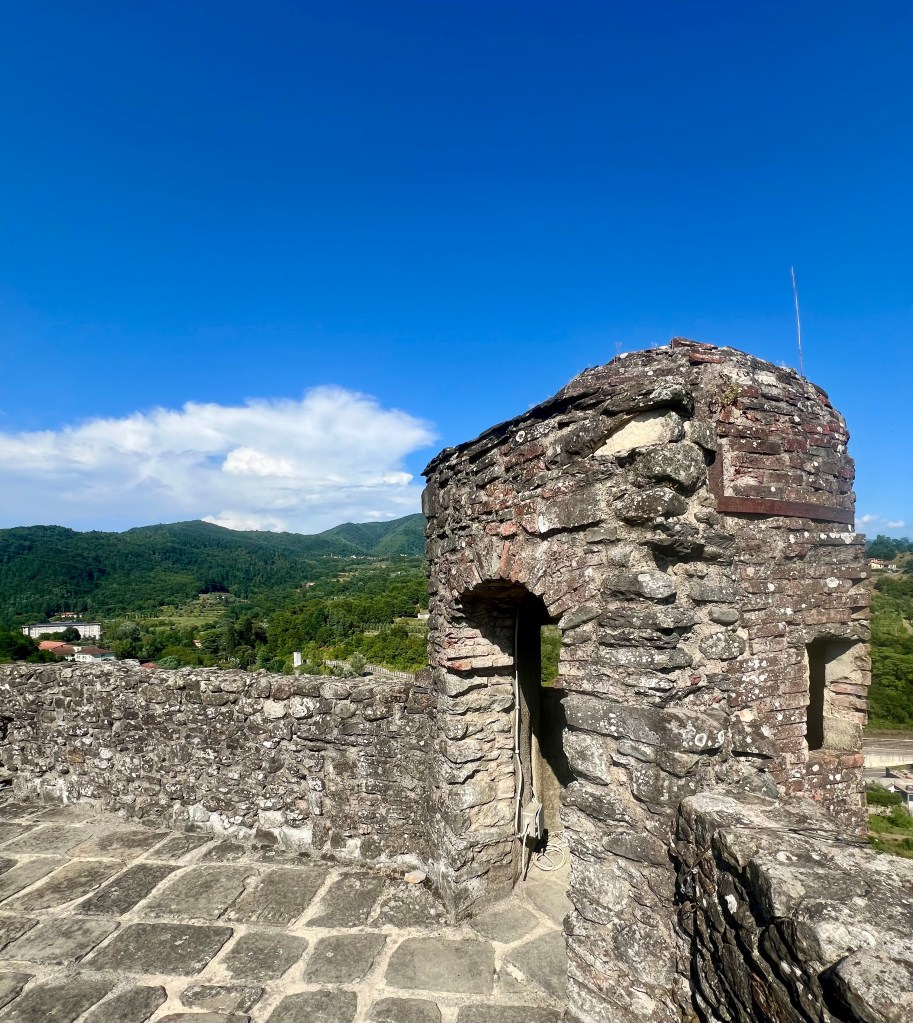
Castello del Piagnaro, perched high above Pontremoli, dates back to the 10th century. Once a strategic fortification designed to protect the town, it now houses a museum and guest accommodations. The panoramic views from the castle are stunning, and though I may have cursed the hill leading up to it, the cozy bed awaiting me at the top has made it all worth it. This is the first time I’ve ever spent the night in a castle—another unforgettable experience on the Via Francigena!
Later, I enjoyed a refreshing beer and some local wine in the central Piazza. Once again, a fantastic little city with surprises at every turn. The Via Francigena just keeps getting better and better. Tonight is also the last beer with Gertrude, who’s staying here for two days. I’m pressing on and will probably meet her later on the trail, but it’s always great to have a beer-drinking partner. Looking forward to tomorrow’s escapades.






 Lord Colliers Active Retirement Life
Leave a reply to butterystarfish6e89f62125 Cancel reply