Mouthier-Haute-Pierre to Pontarlier
Over breakfast, I chatted with a fellow traveler from New Zealand who mentioned the low route ahead was closed—due to a landslide that happened two years ago! That meant I’d have to take an alternate, steeper trail. “Should be fun,” I thought.
Things went downhill—literally and figuratively—not long after I set off around 8 a.m.
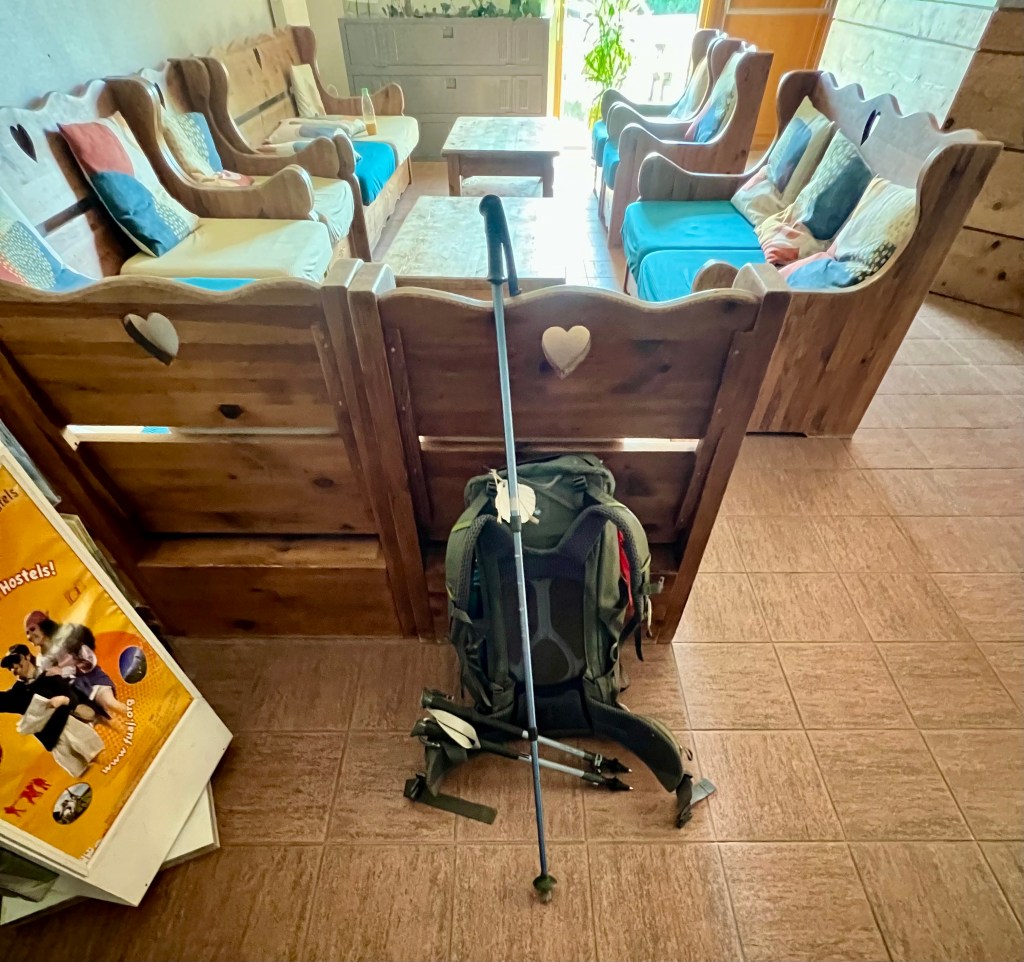
I followed the new signage carefully, but the trail quickly turned into a mess: fallen trees, deep mud, and dangerously steep slopes. One of my trekking poles snapped in half, and a strap broke on my pack broke. I wasn’t alone in my confusion—the path was crisscrossed with fresh footprints.
Here’s something I’ve learned: if your gut tells you a path feels wrong, it probably is! Good instincts, firm limits, and building in plenty of margin for error have kept me safe on this journey. I never go so far in that turning back feels impossible. This time was no different—I returned to town, uneasy about the condition of the trail.
Ironically, I later discovered I had been on the official route. A local confirmed that both the old and new trails were effectively impassable. They’d tried them themselves the day before.
Frankly, that’s unacceptable. The towns and villages along the Via Francigena benefit—economically and culturally—from the hikers who pass through. That comes with a basic responsibility: to maintain accurate signage and ensure safe passage. The fact that this segment has been in disrepair for over two years reflects a concerning lack of commitment. It’s disappointing—especially given the potential of this route to bring life and attention to nearby communities.
With no reliable guidance, I went back to basics: paper maps and common sense. It wasn’t the fastest route, but I made my way to Pontarlier safely, within the limits I set for myself.
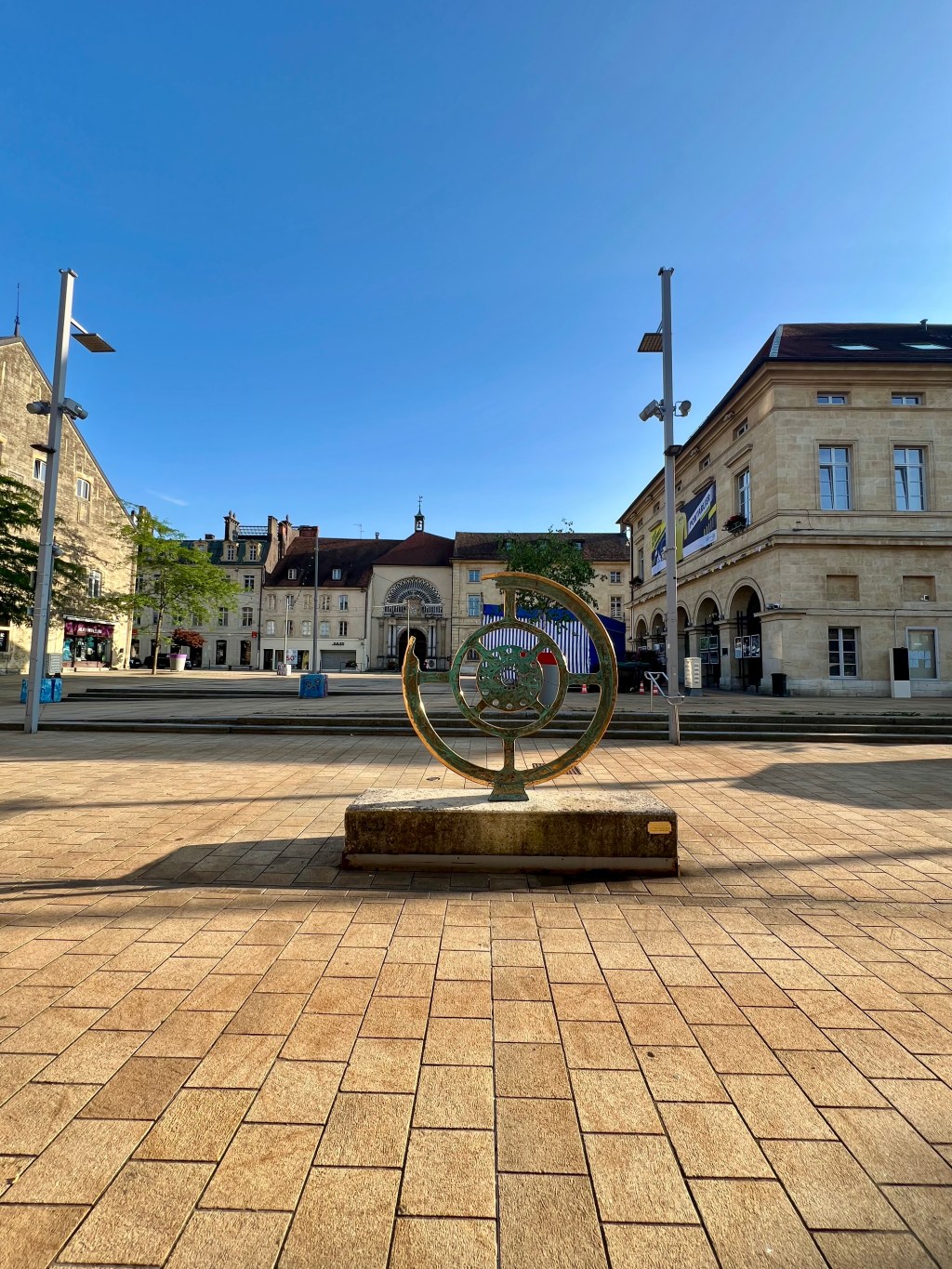
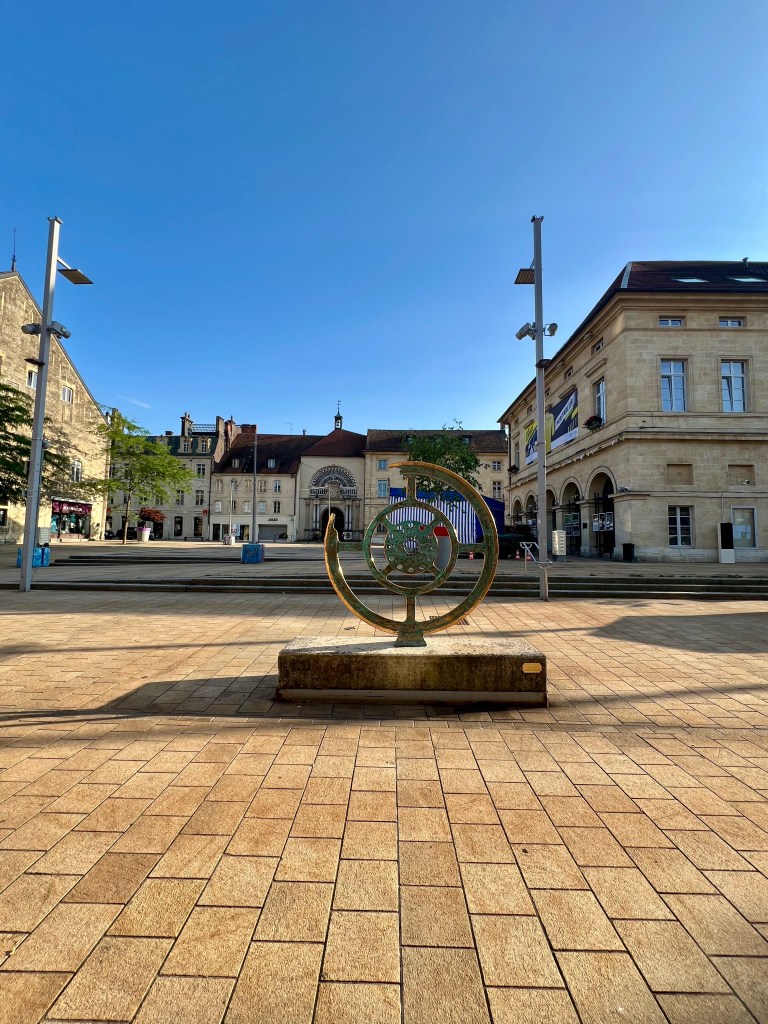
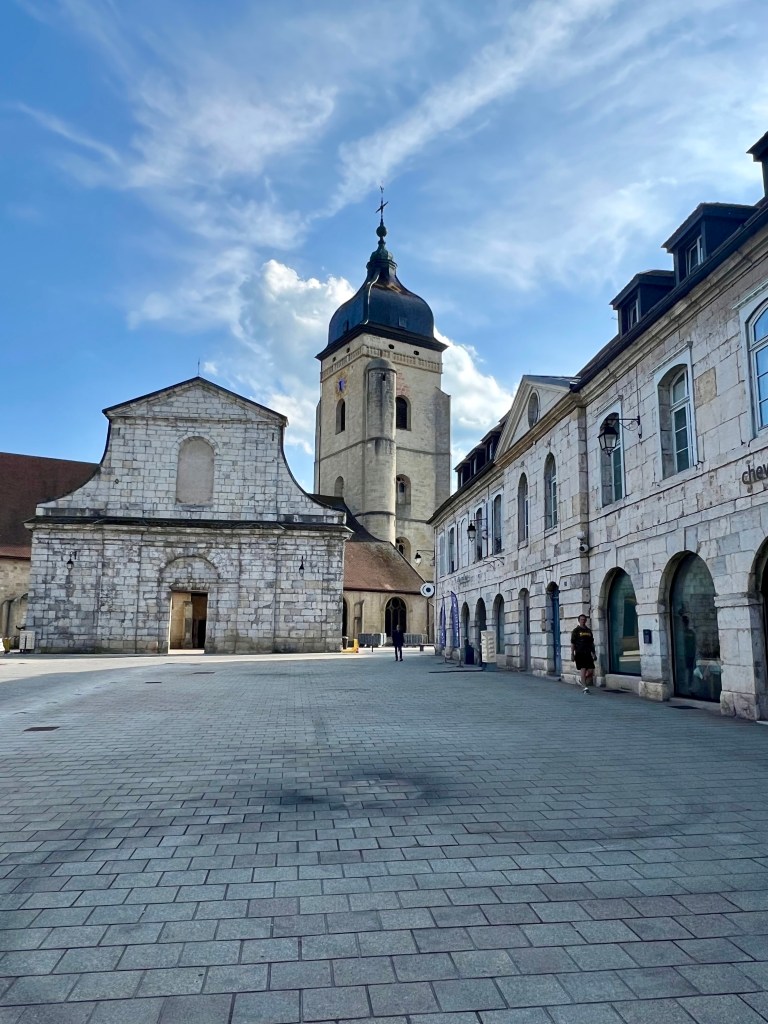
Arriving in Pontarlier
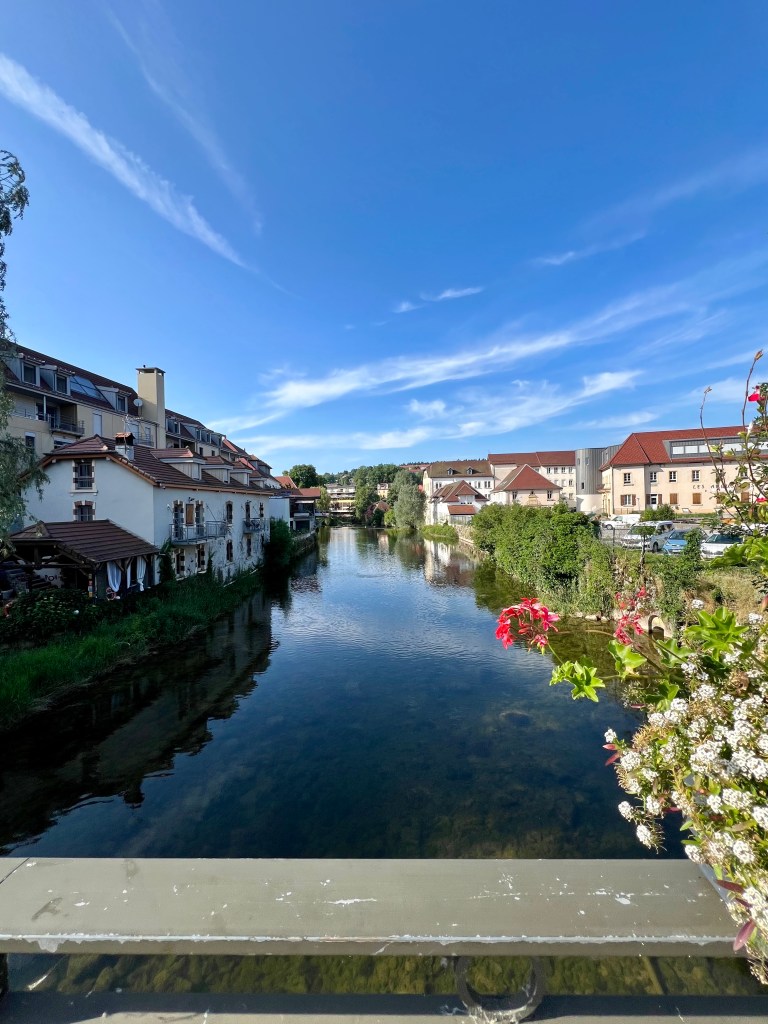
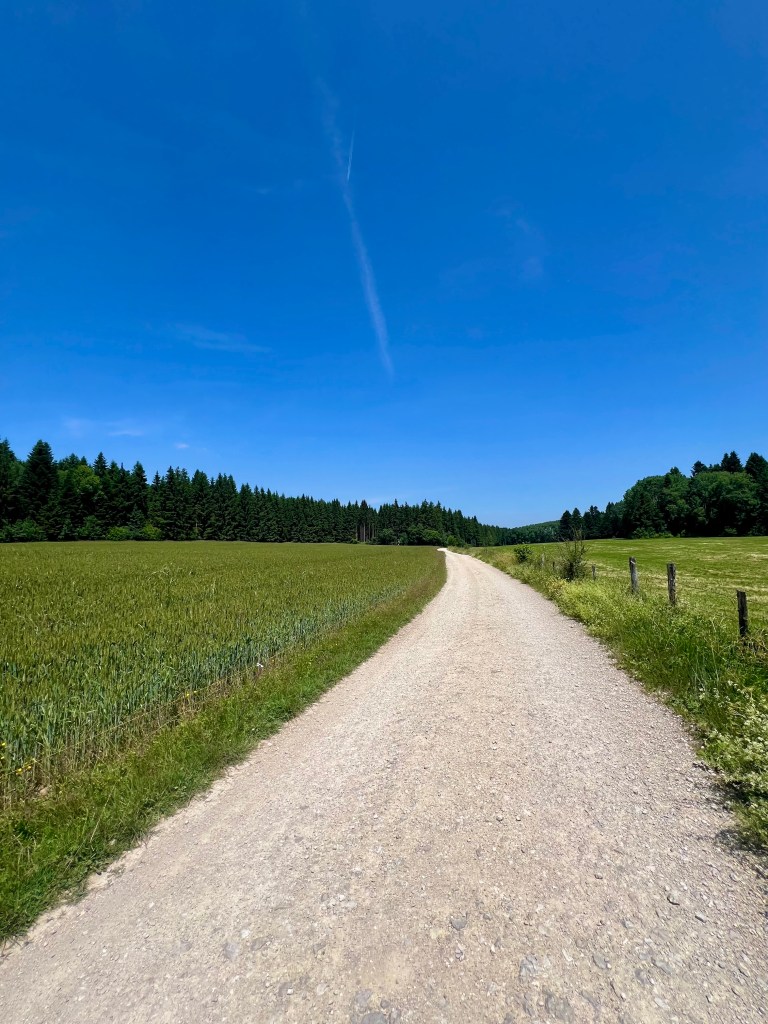
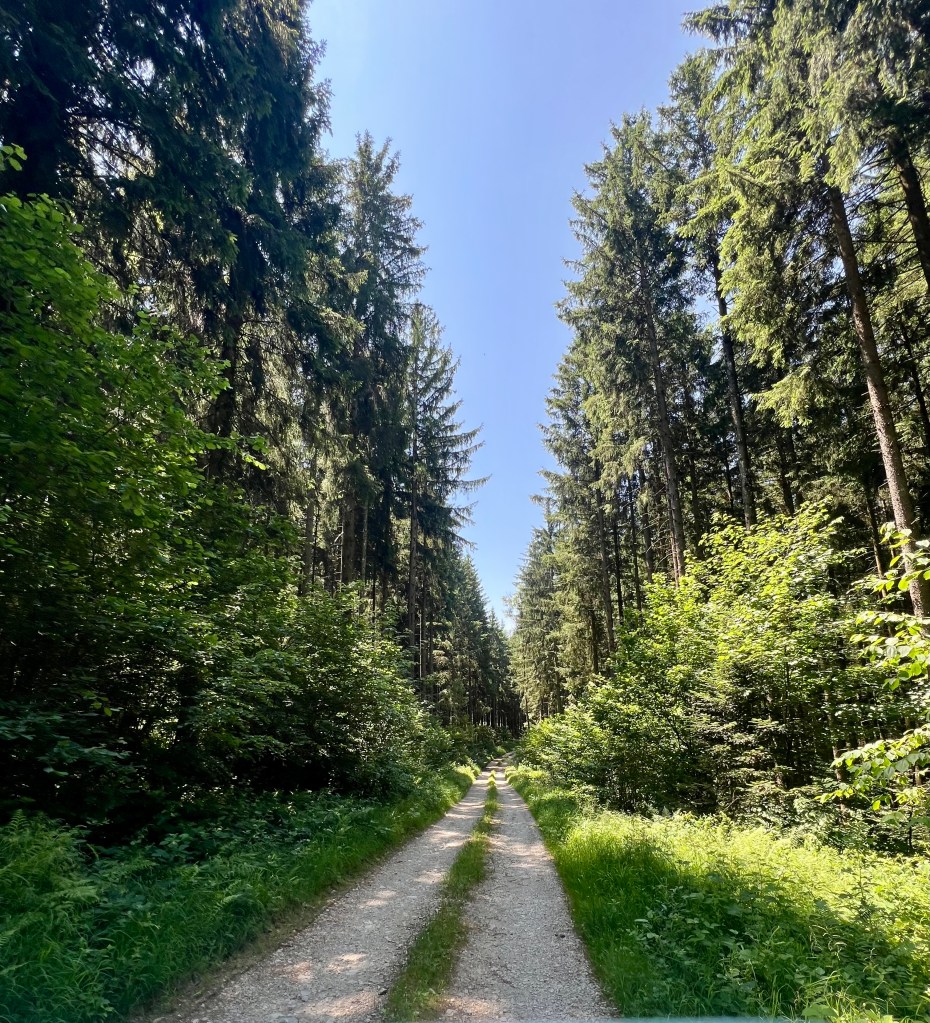
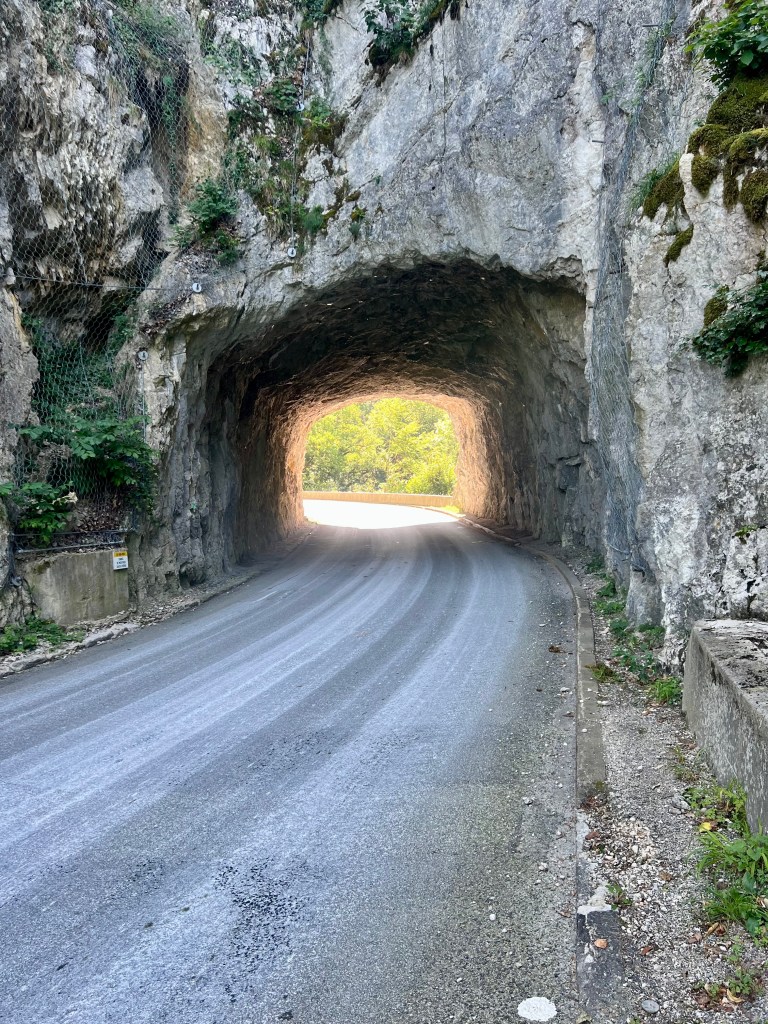
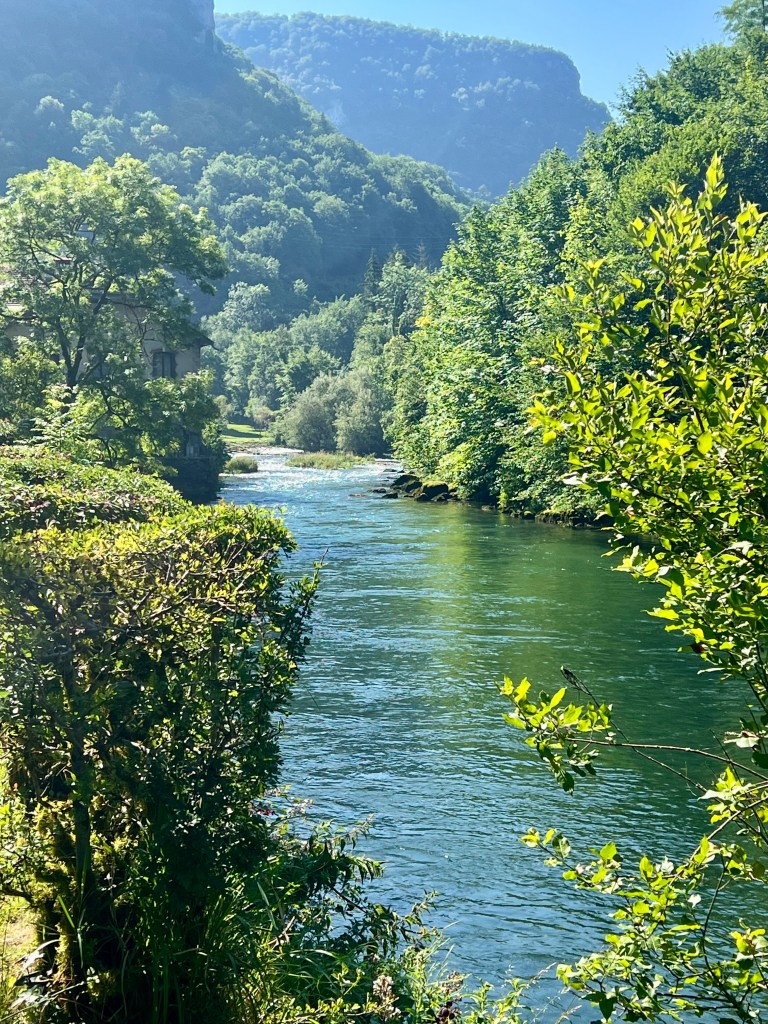
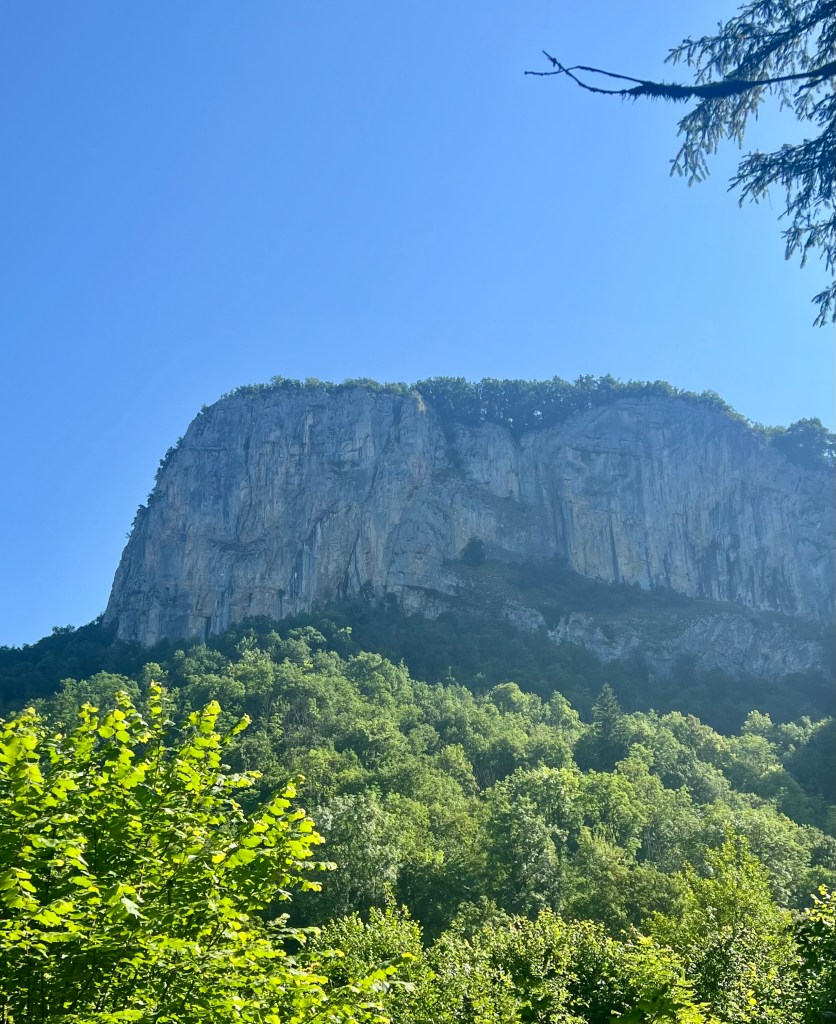
By afternoon, the tension of the morning gave way to calm. Nature has a way of softening sharp edges. The beauty of the surroundings reminded me why I do this. Life felt good again.
A Brief History of Pontarlier
Pontarlier is a historic frontier town nestled in the Doubs department, near the Swiss border. Once a vital Roman trading post, it later became known in the 19th century as the absinthe capital of the world. Even after absinthe was banned, the tradition of distillation continued. Today, you can still tour local distilleries and sample the famous green spirit. With its rich history, strong alpine character, and welcoming atmosphere, Pontarlier has long been a crossroads for travelers, traders, and now, pilgrims.
Tomorrow—if I plan it right—the French section of the Via Francigena comes to a close. It’s been a journey full of contrasts: breathtaking landscapes, peaceful villages, and moments of quiet reflection, mixed with real physical and mental challenges. From muddy trails and detours to the kindness of strangers and shared conversations with fellow travelers, every step has left a mark.
France has tested me, surprised me, and reminded me why I set out on this path in the first place. What a rewarding and unforgettable experience it’s been.









Leave a Reply