Vercelli to Mortara
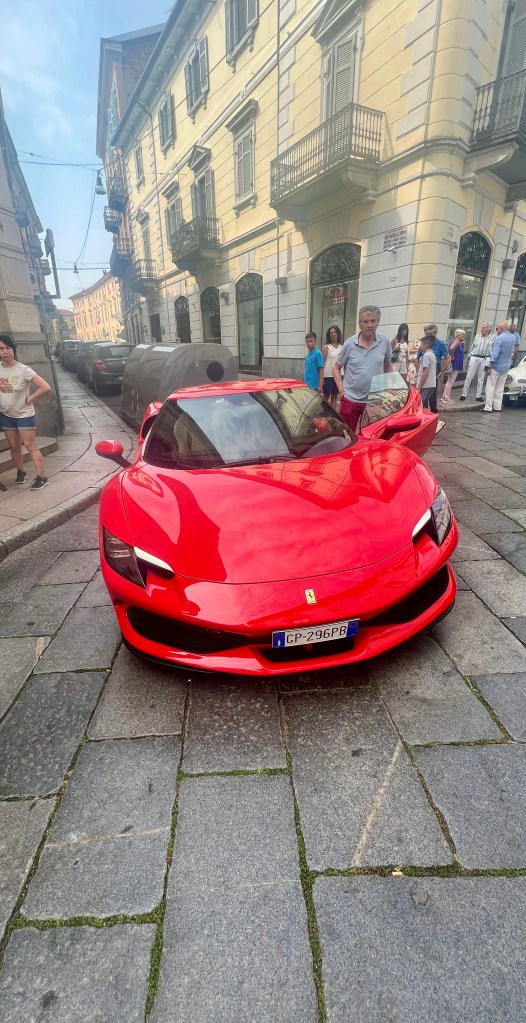
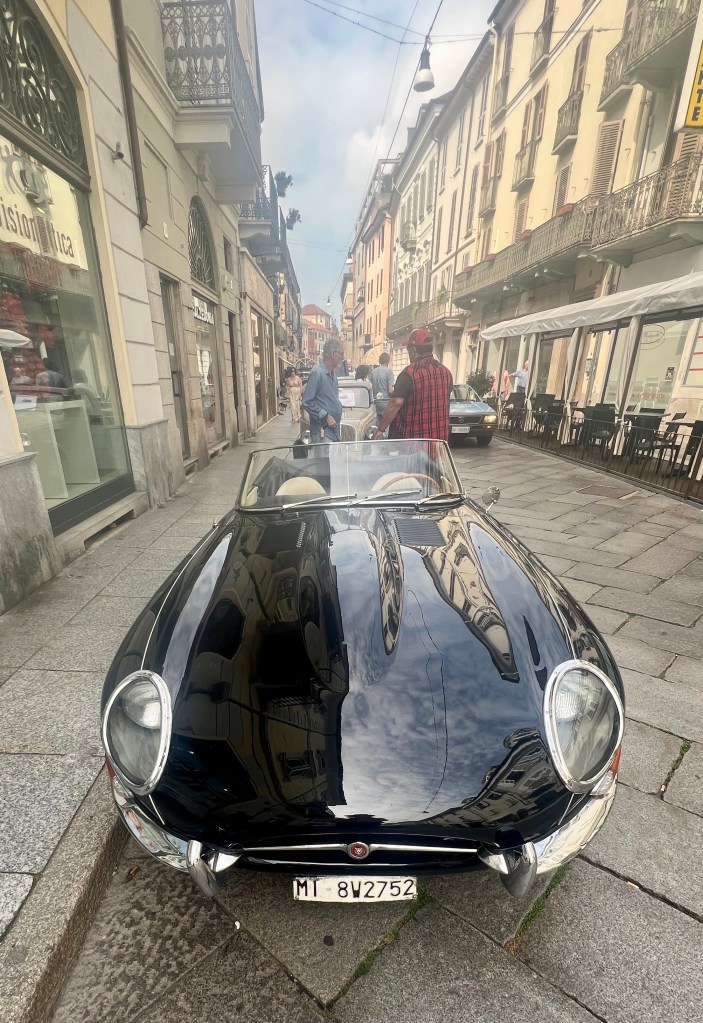
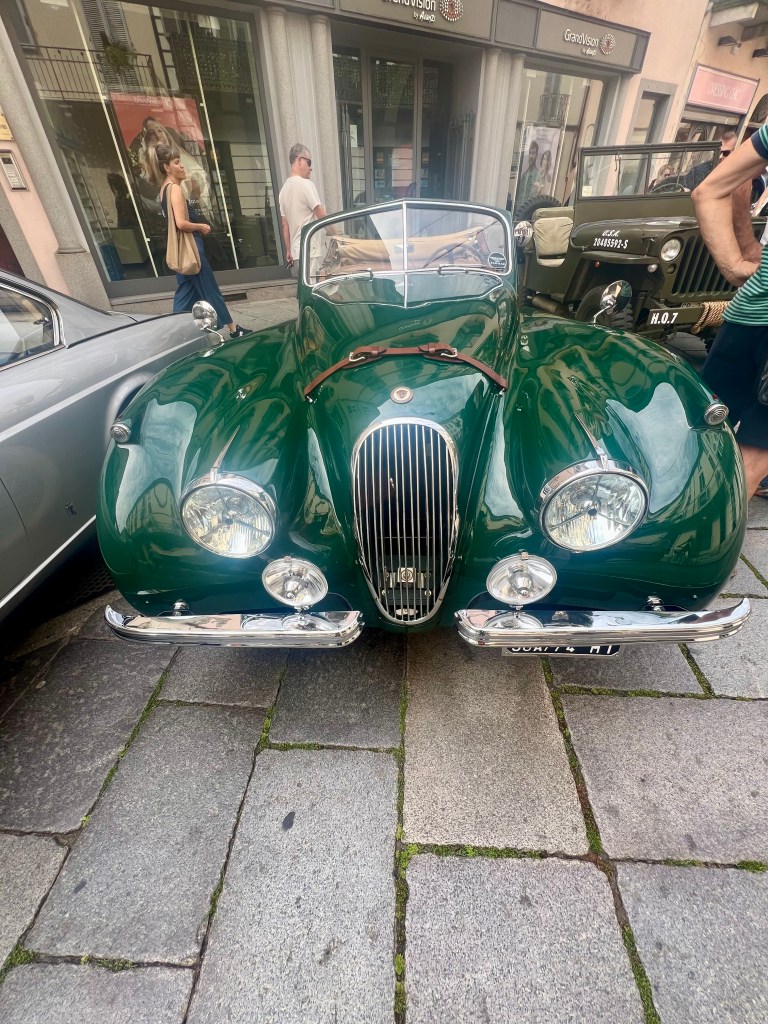
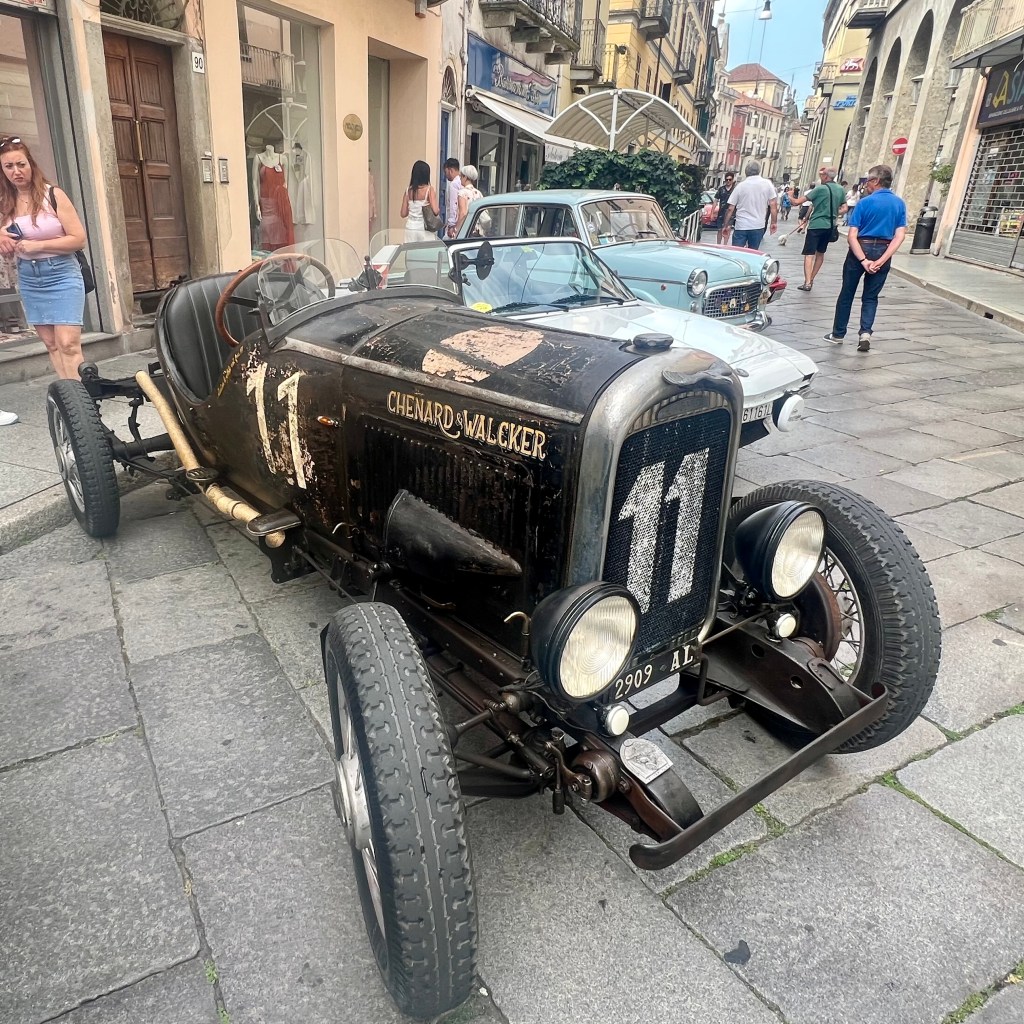
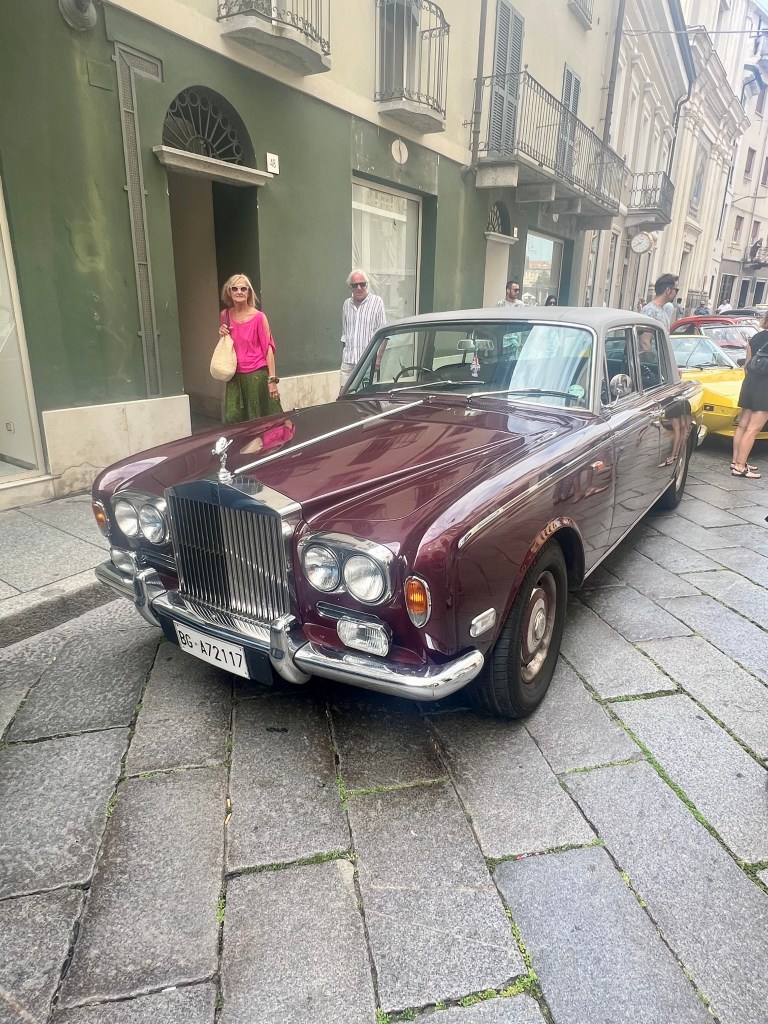
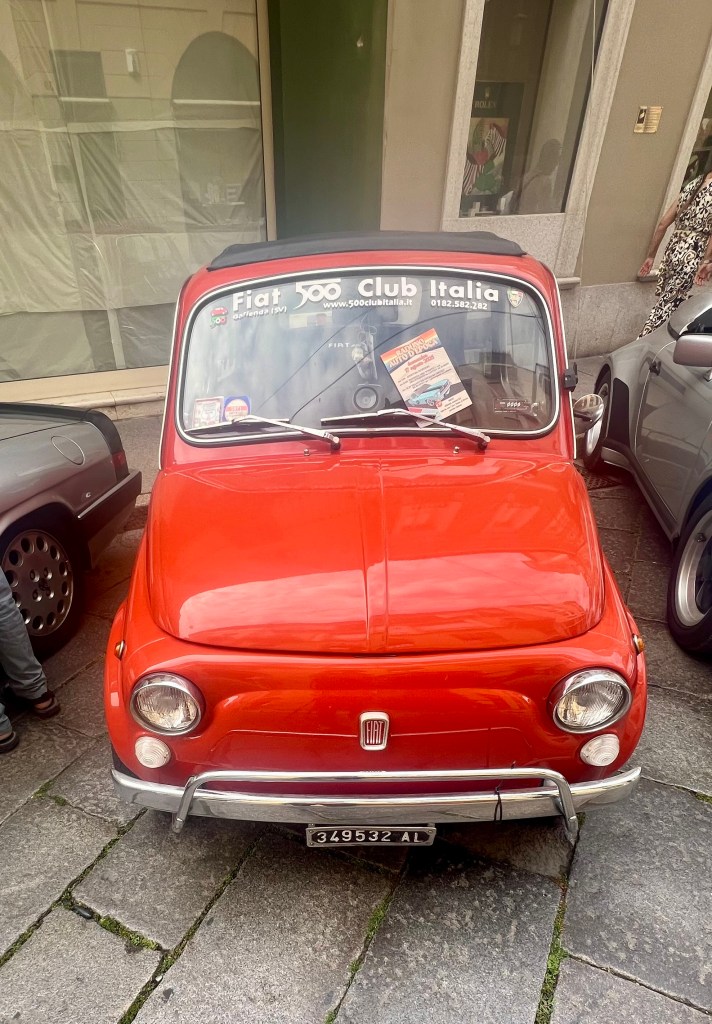
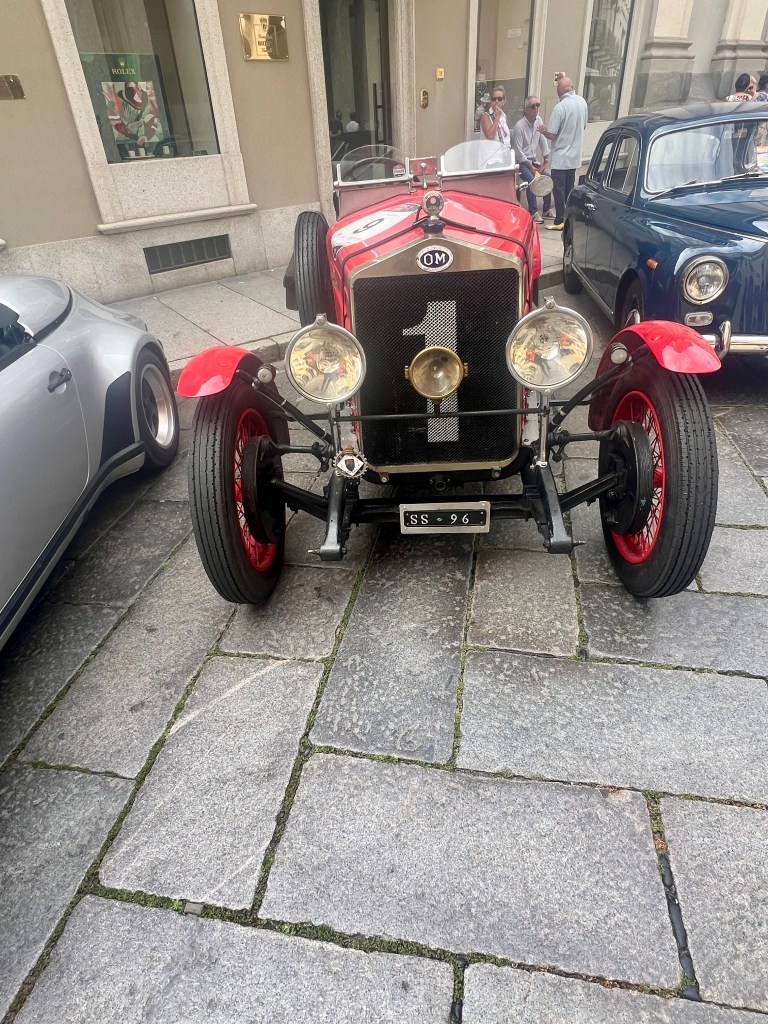
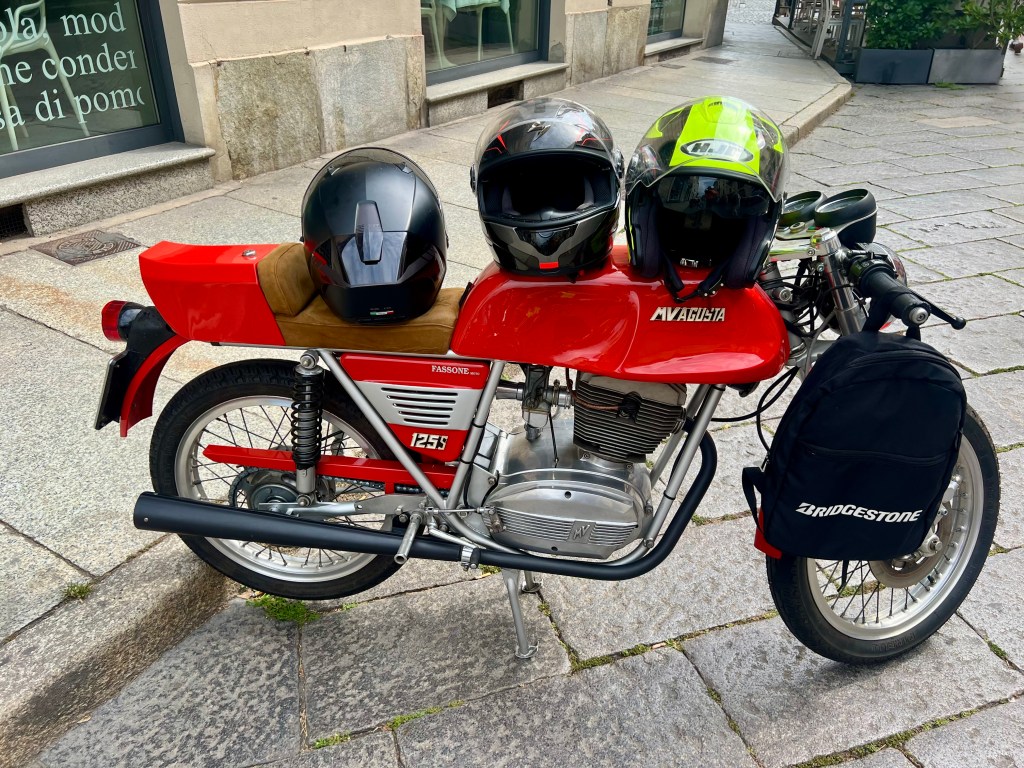
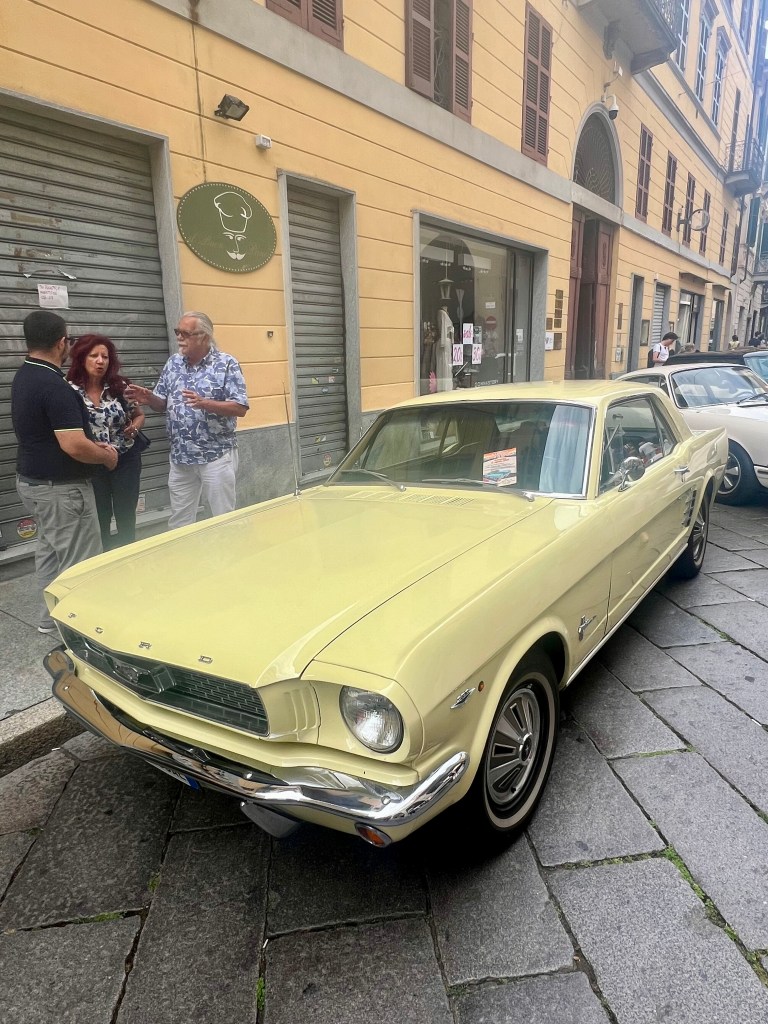
Yesterday I had some down time which began with an unexpected treat—a classic car show in downtown Vercelli. It was genuinely impressive, with vehicles from all over the world on display. I spotted Jaguars, Fords, Fiats—you name it. What struck me most was how communal the event felt. Whole families were out, strolling the rows of cars, chatting, pointing things out to their kids.
Downtown was buzzing. Locals gathered along the wide stone walkways and in the plaza, sipping morning coffee and nibbling on croissants. There’s something about the pace and simplicity of this lifestyle that feels refreshing and enviable.
Thought of the day: How is everyone here so thin when all I see is eating and drinking?
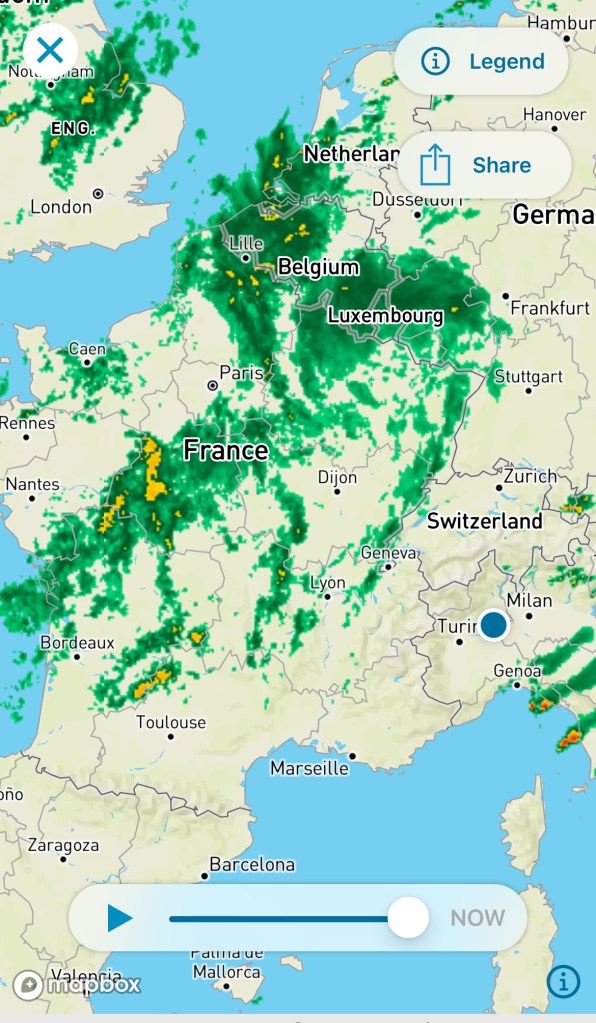
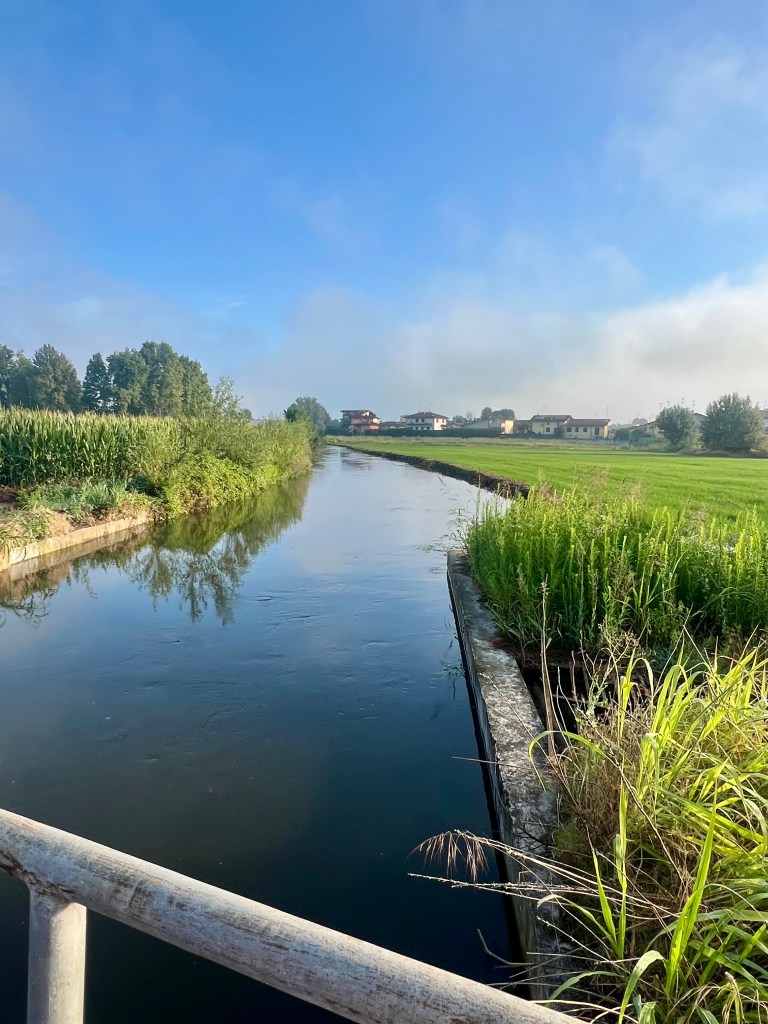
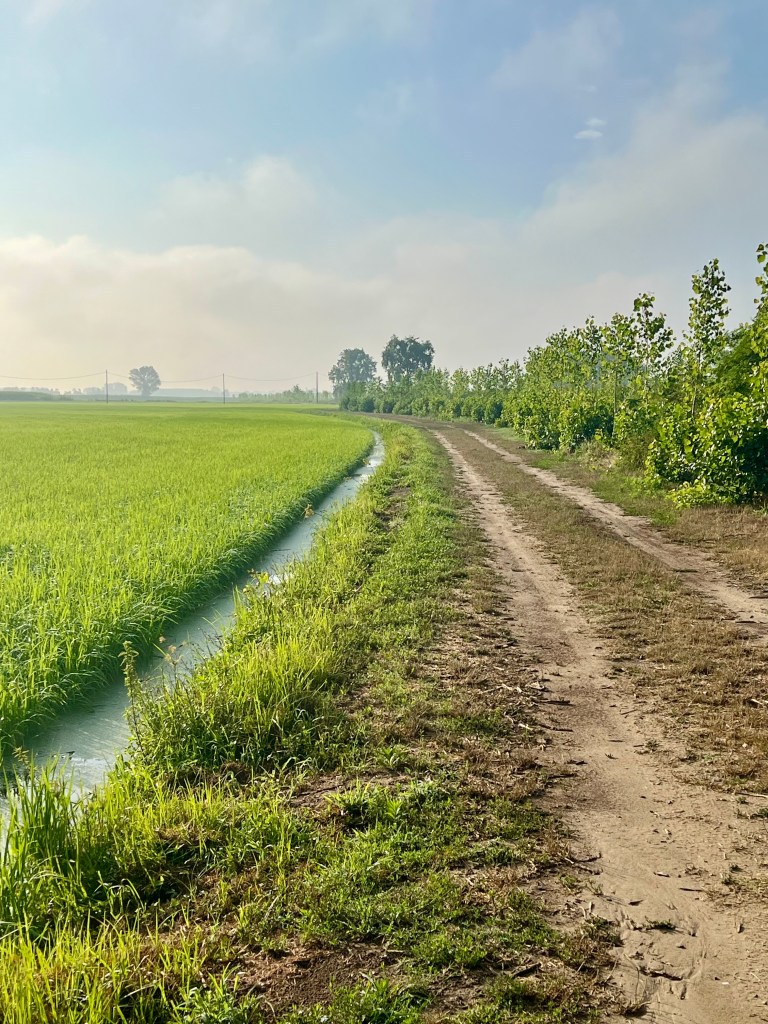
On to today! This morning started cool with clear skies, a welcome change after last night’s heavy thunderstorms. The storms have thankfully pushed off, but I expect plenty of flooding along the way—it’s all rice fields out here! Despite the weather, I’m feeling great this morning: well-rested and ready to head across the open plains.
Robbio: A Quiet Stop
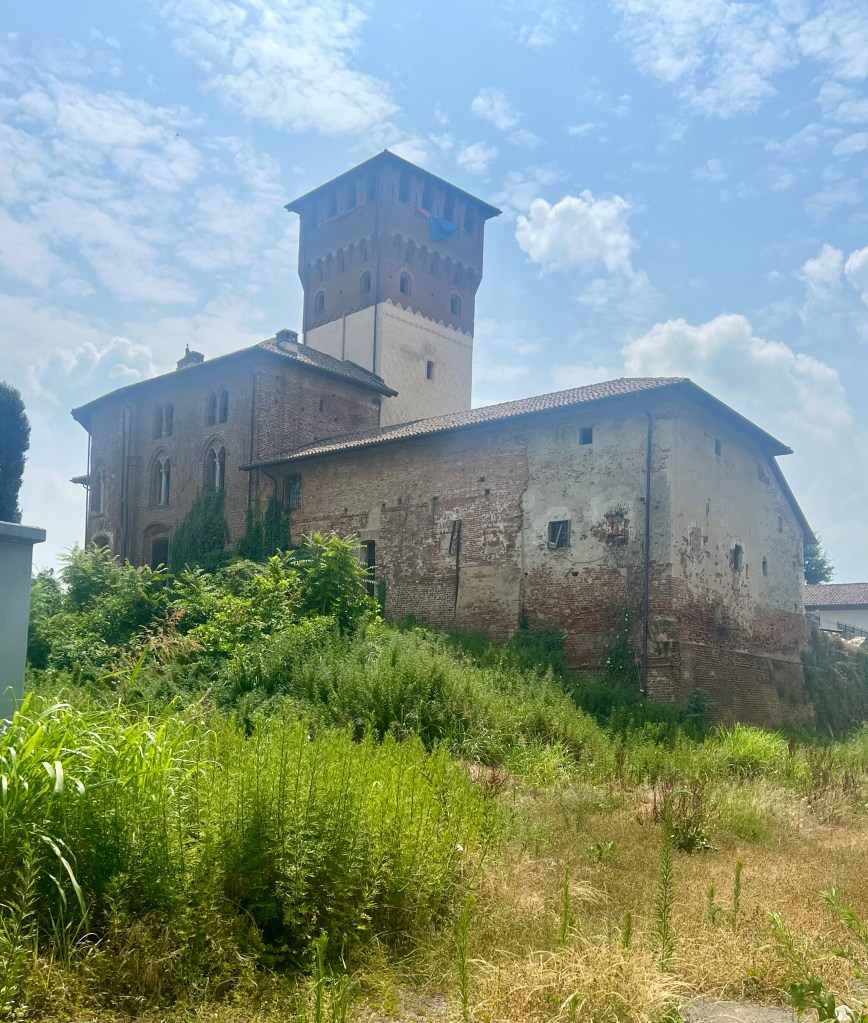
I arrived in to Robbio mid morning. After Vercelli it felt like a “ghost town”. There was very little going on. It reminded me of some of the declining small towns back in North Carolina—places that once thrived but now feel like shadows of their former selves. Even the castle here is boarded up and shut down, which feels especially unusual for Italy, where historic buildings are often a focal point.
Robbio has ancient roots dating back to Roman times, when it was known as Redobium. Throughout the Middle Ages, it was contested by various powers, including the Visconti and Sforza families, and developed as a fortified town. Its economy grew around rice cultivation, supported by advanced irrigation, which can still be seen today.
Arrival in Mortara
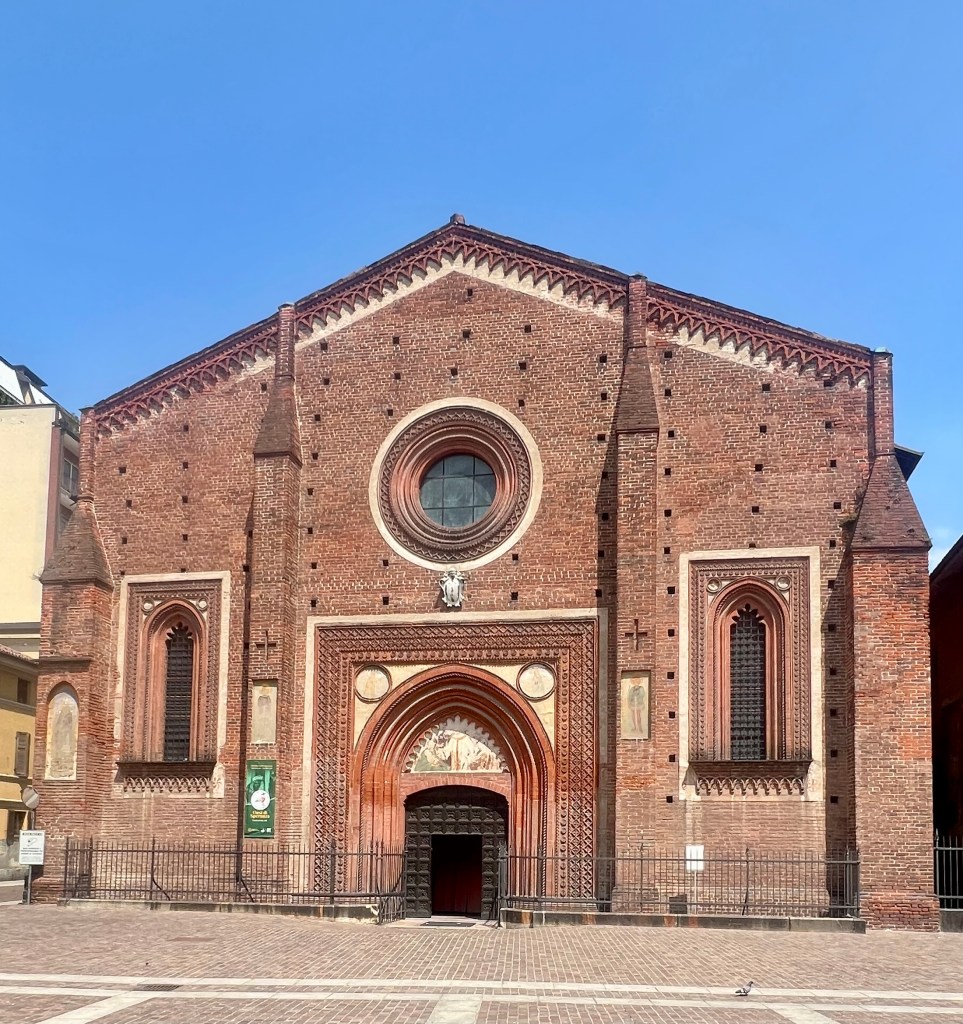
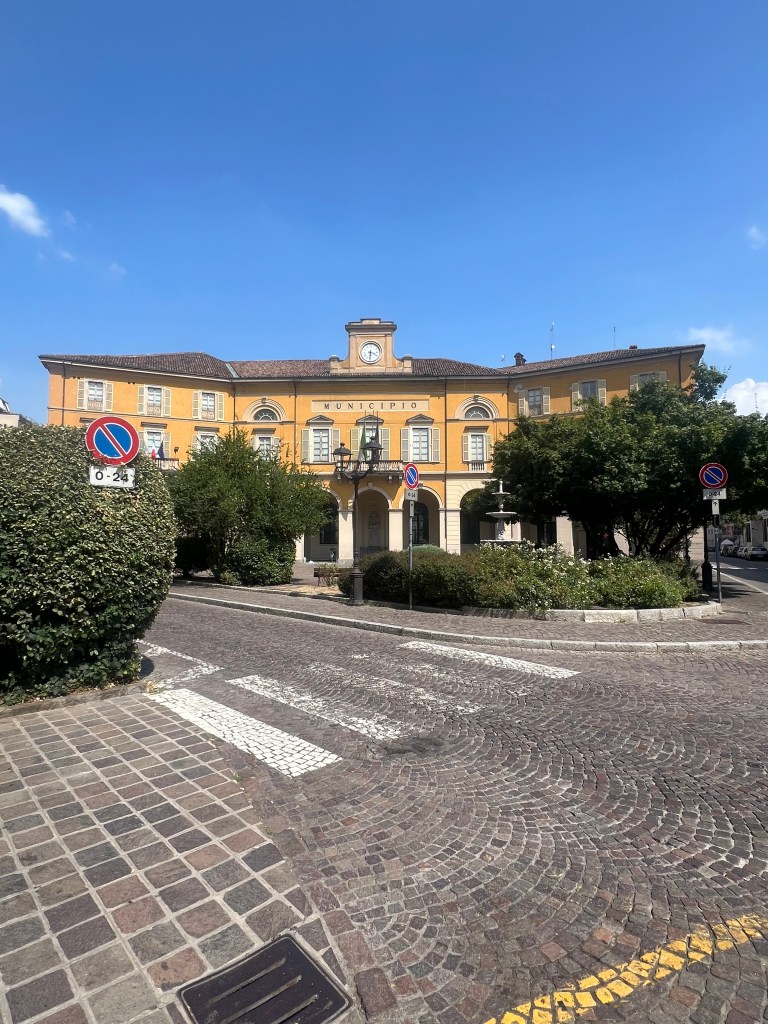
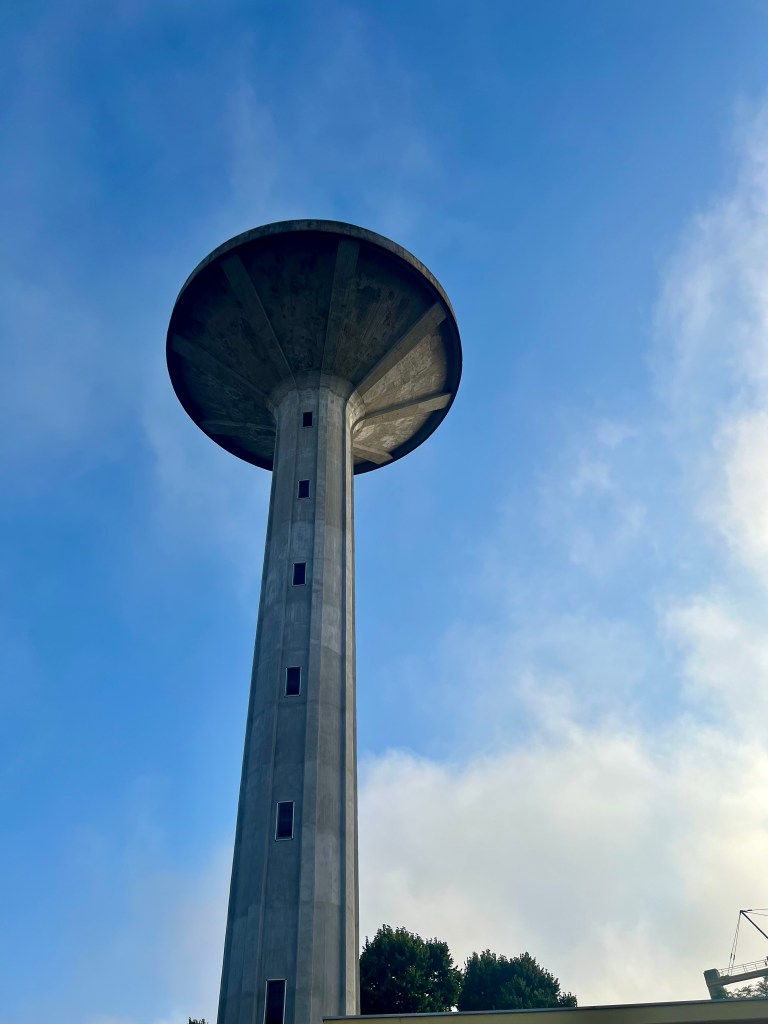
I reached Mortara just before the afternoon thunderstorms rolled in. The town isn’t bad, but it does carry a sense of faded grandeur—another relic of its more prosperous past. Despite the rain, the mood in town felt alive. There’s something beautiful and communal in the way Italians engage with each other—laughing, sharing stories, lingering over meals. It’s brilliant, really.
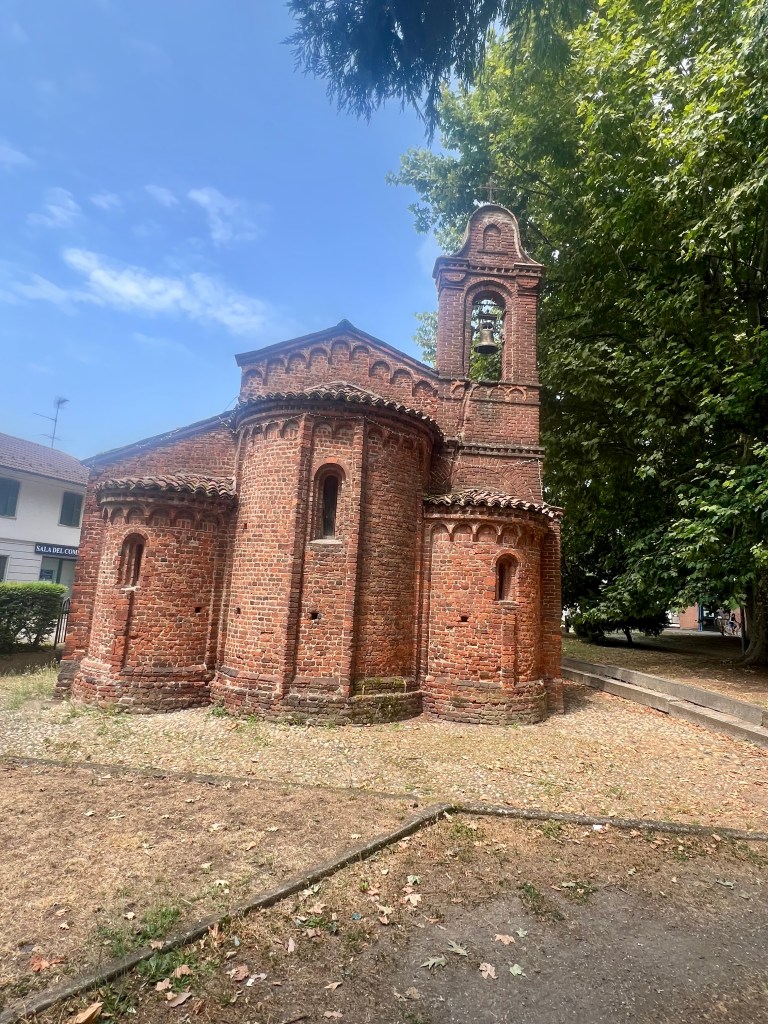
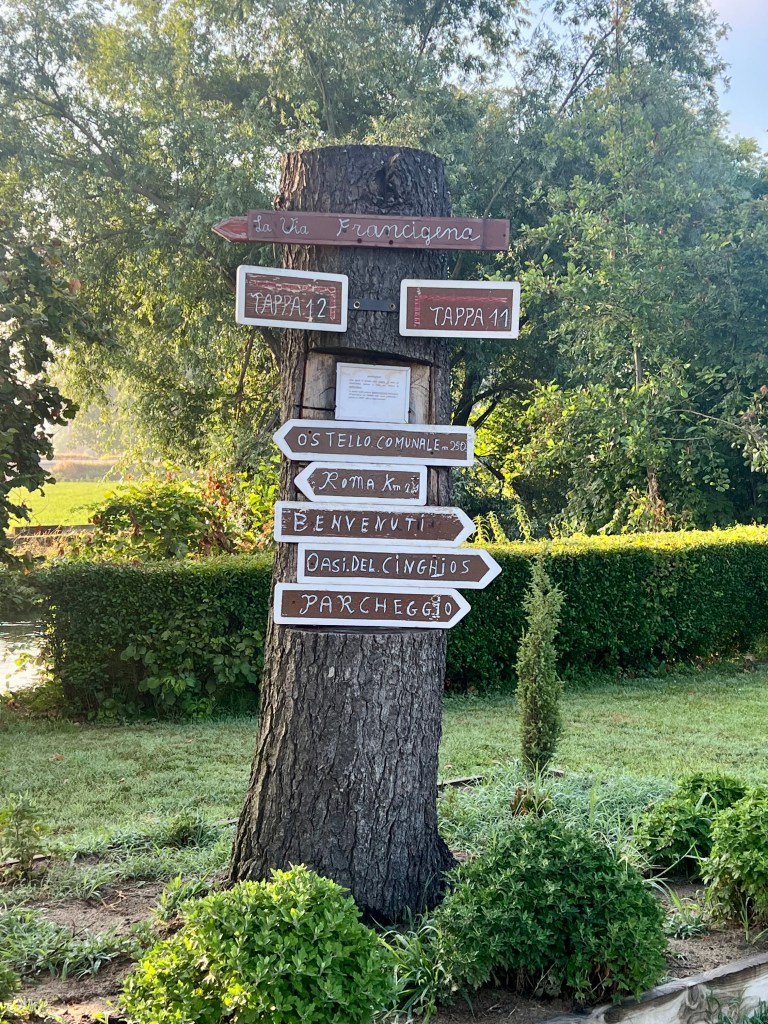
Mortara gained importance in the Middle Ages as a stop on the Via Francigena. Again, known for its agricultural economy, especially rice production, Mortara preserves historical churches and monuments from its medieval and Renaissance past.
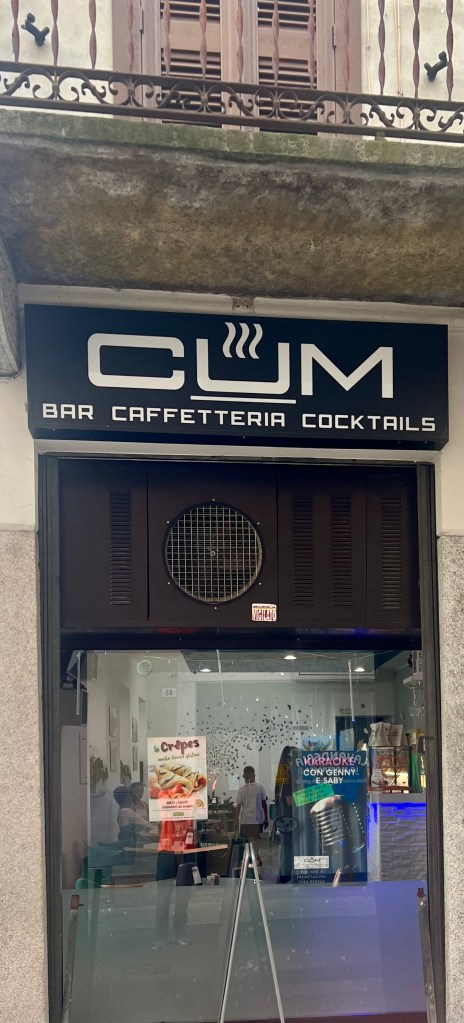
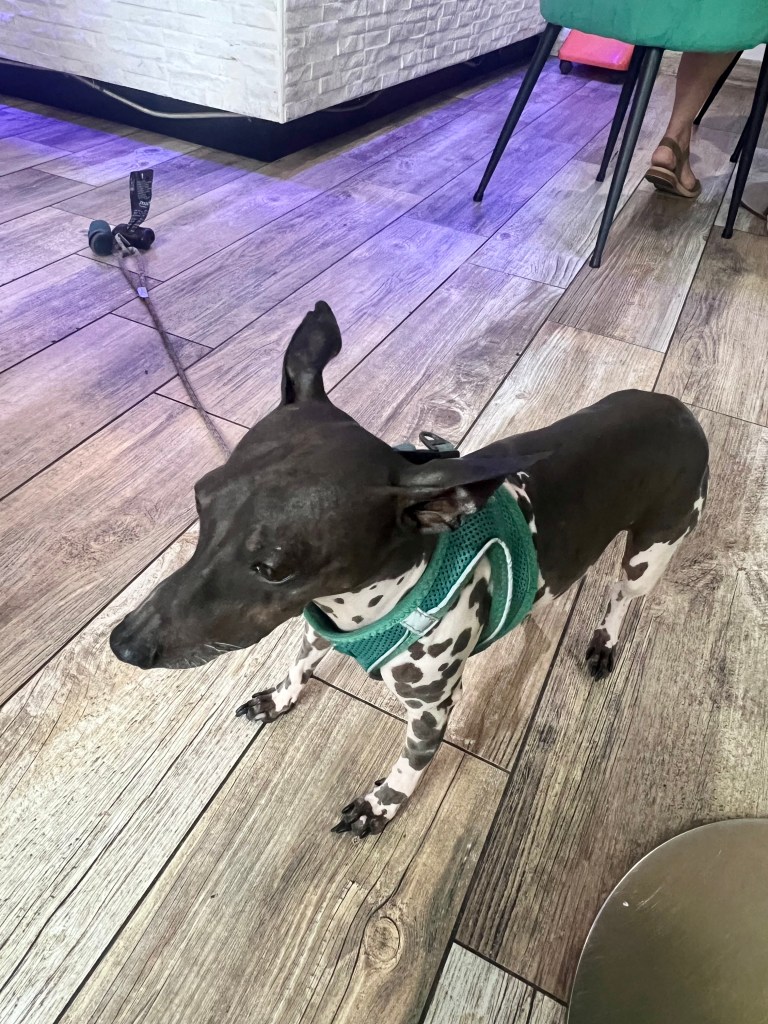
Tonight, I’m sharing a beer with people from Spain and New Zealand—fellow travelers on the Via Francigena. We found a rather quirky little bar, but the beer’s cold, and the company is good.
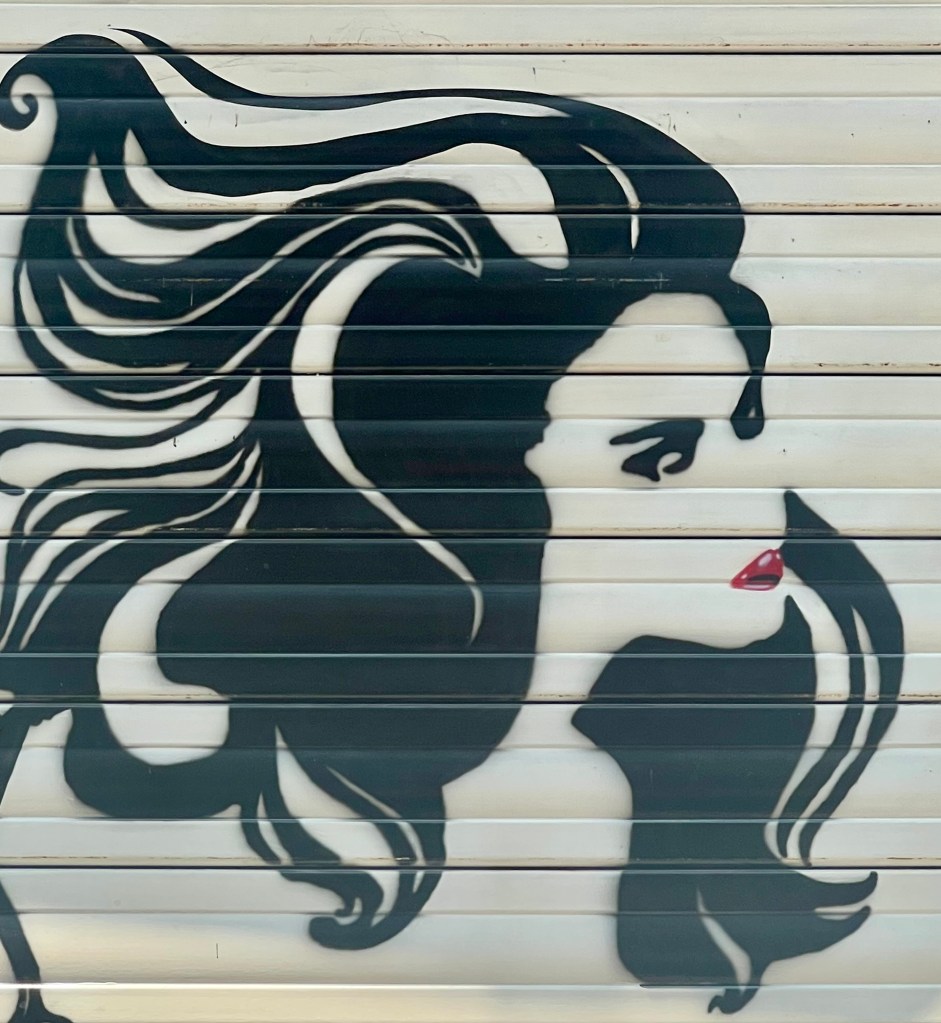
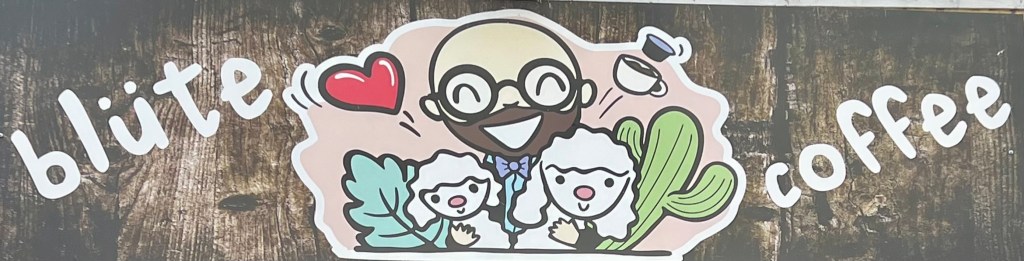
Overall a good day with some fun in the local bar! It has a very strange name which I won’t say here (see pics) but when the hotel recommended it, I certainly raised an eyebrow! Looking forward to tomorrow as I head further across the plains !!!





 Lord Colliers Active Retirement Life
Leave a comment