Bourg-Saint-Pierre to Great St. Bernard Pass
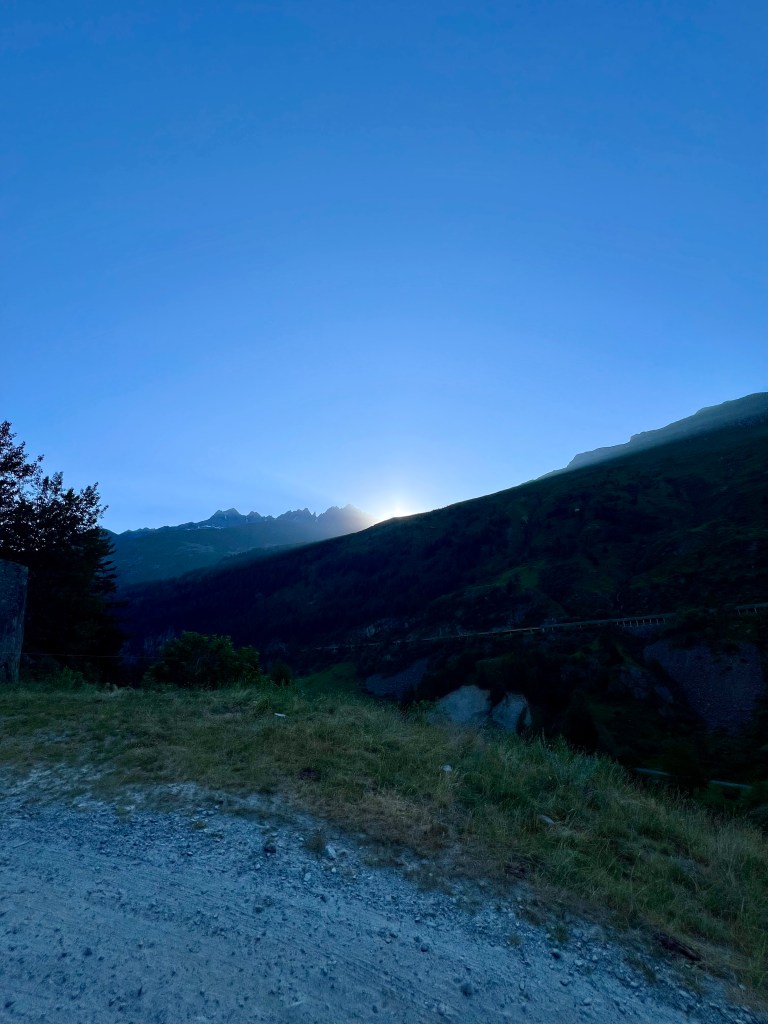
No breakfast today—just an early, determined start. The forecast warned of storms by early afternoon, and this stage of the Via Francigena had the greatest elevation gain of the entire route. Climbing into a thunderstorm, possibly with lightning? Not an option. I hit the trail just after dawn, hoping to stay ahead of the weather.
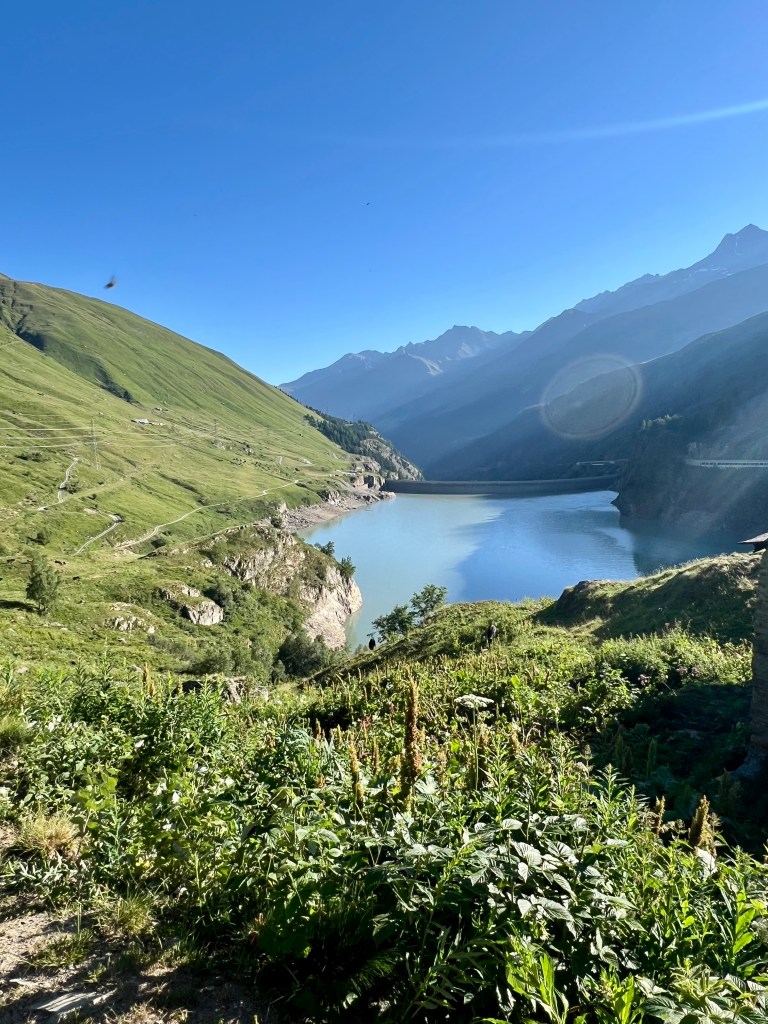
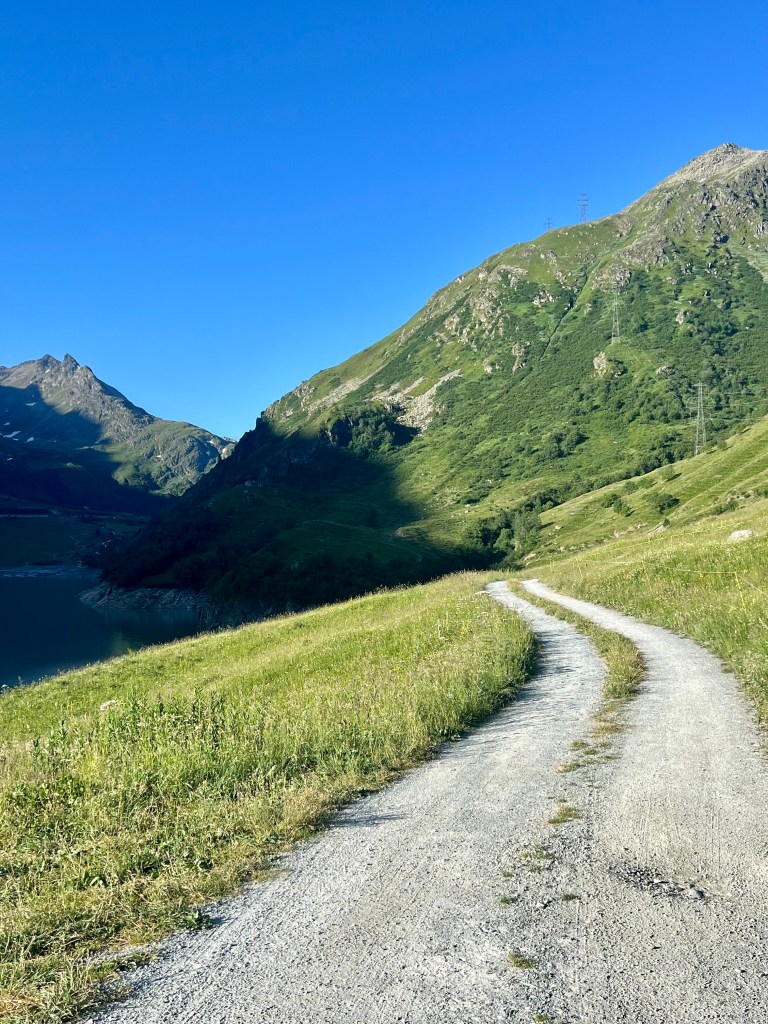
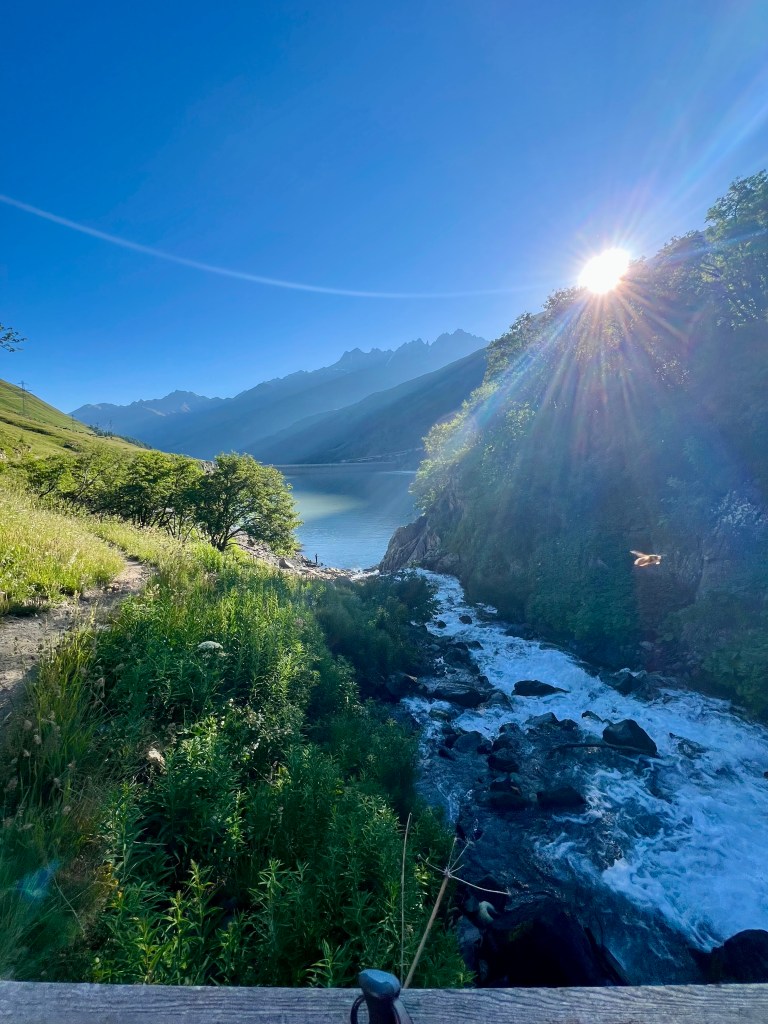
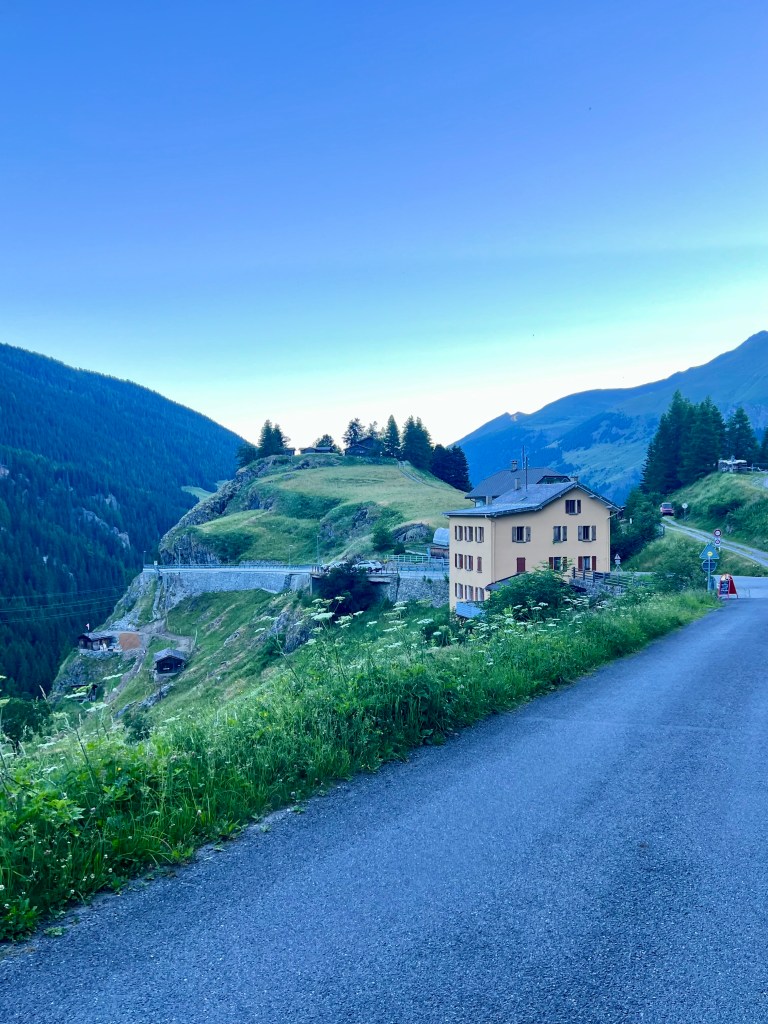
I began on the old road out of Bourg-Saint-Pierre. The path was manageable at first, but I quickly realized there was no clear route along the far side of the reservoir. I had to reroute onto a steeper section—something I wasn’t looking forward to, but I decided to give it a try and see how it went.
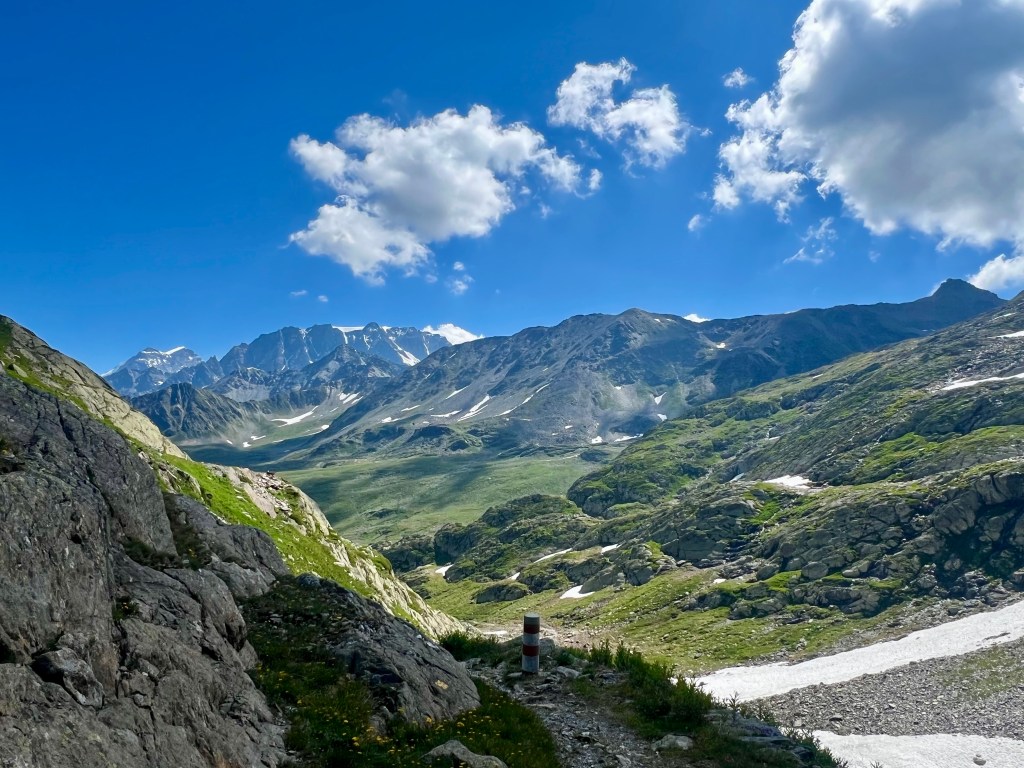
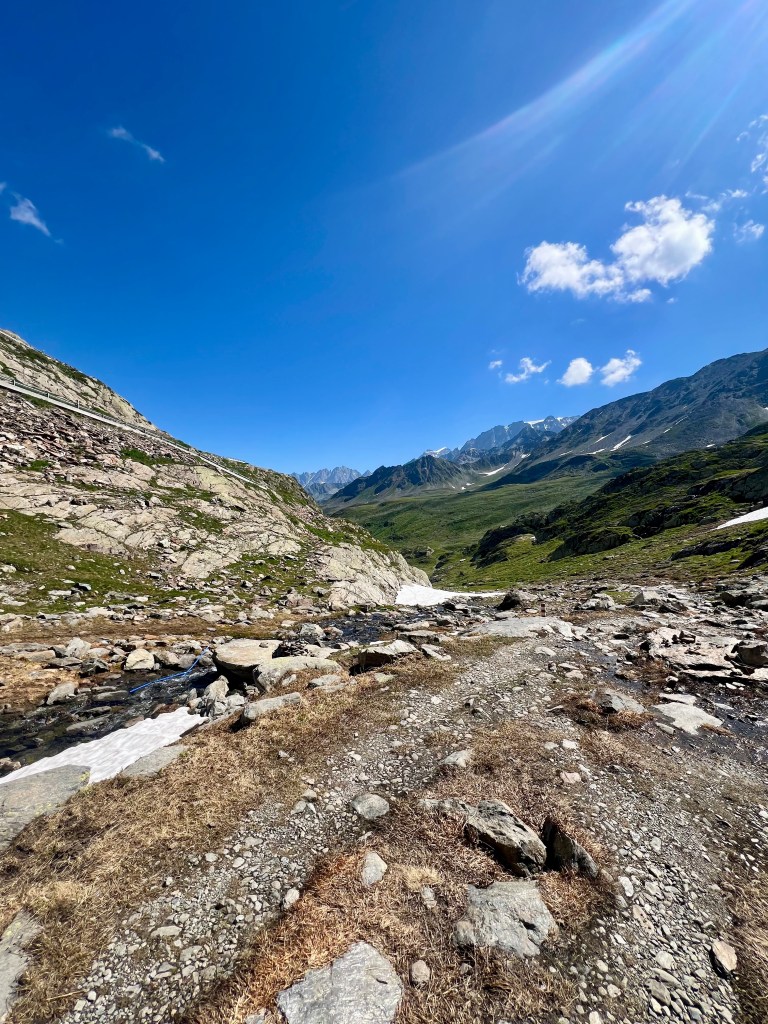
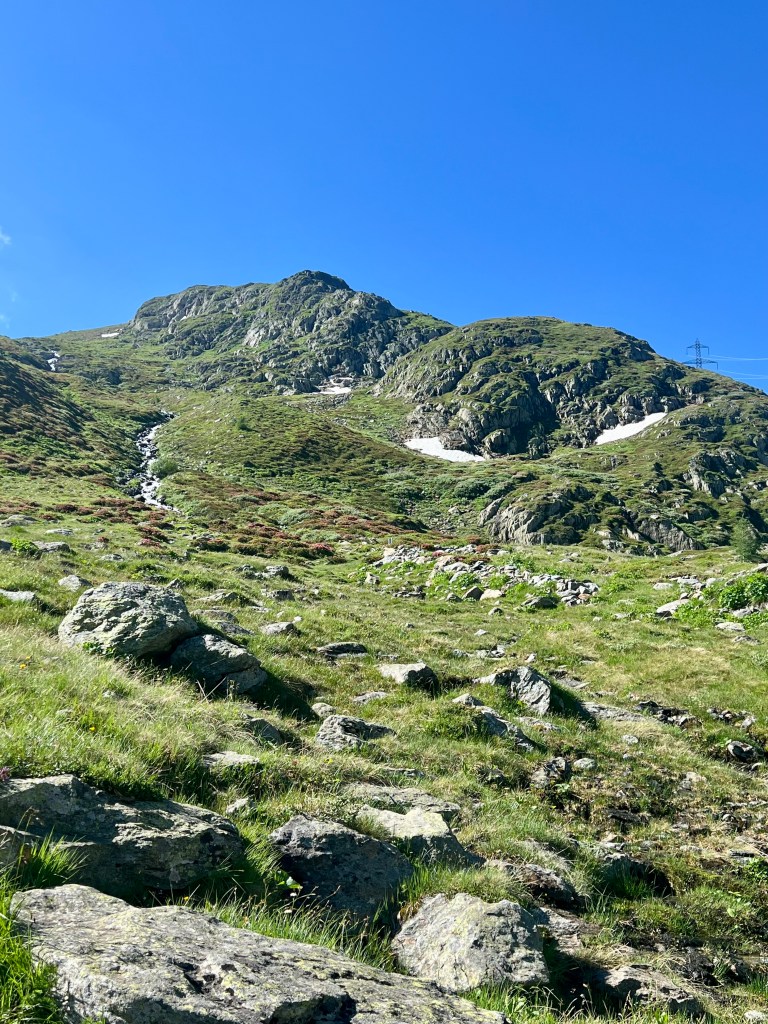
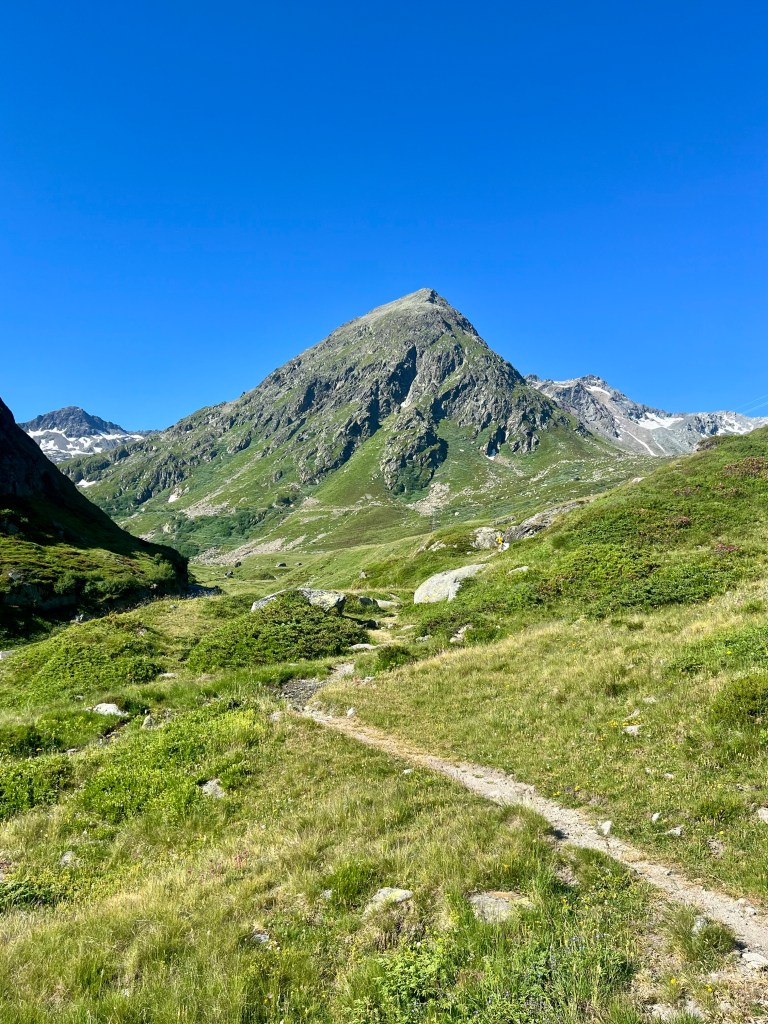
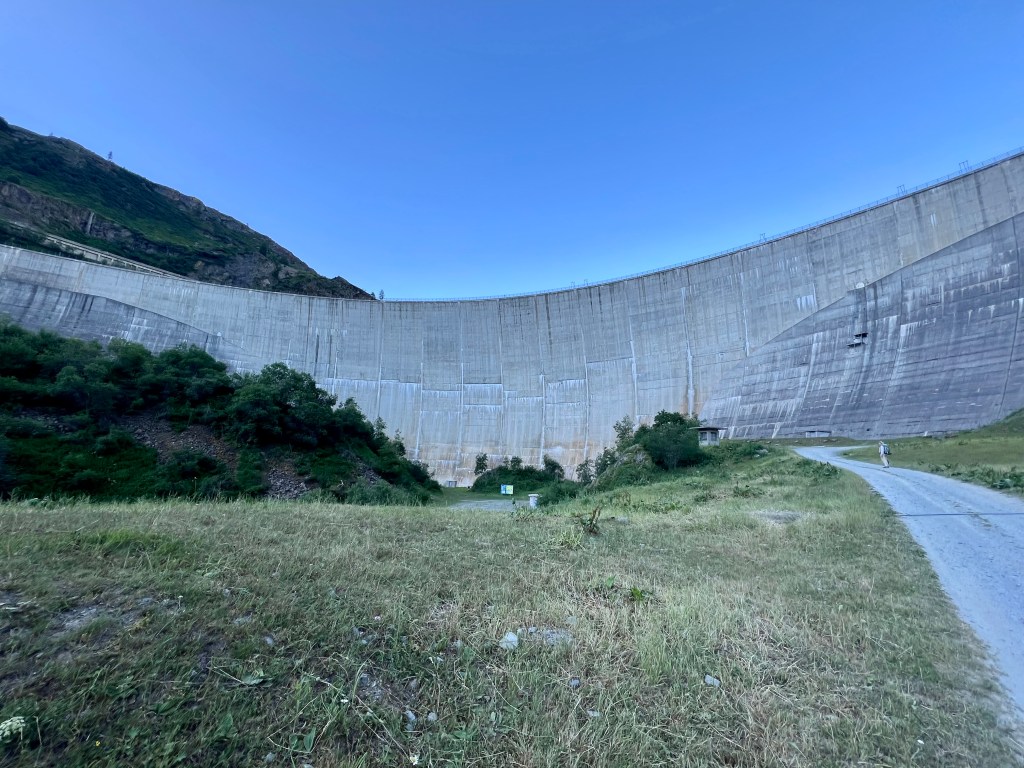
As I circled around the dam, I noticed the water level was strangely low—significantly lower than I remembered from the YouTube videos. From there, the trail turned aggressively steep, climbing beside the road before cutting directly toward the pass. The terrain grew brutal, with snowmelt-fed streams cascading down around me. Even in late June, I crunched across long stretches of snow—remnants of winter still clinging to the upper slopes.
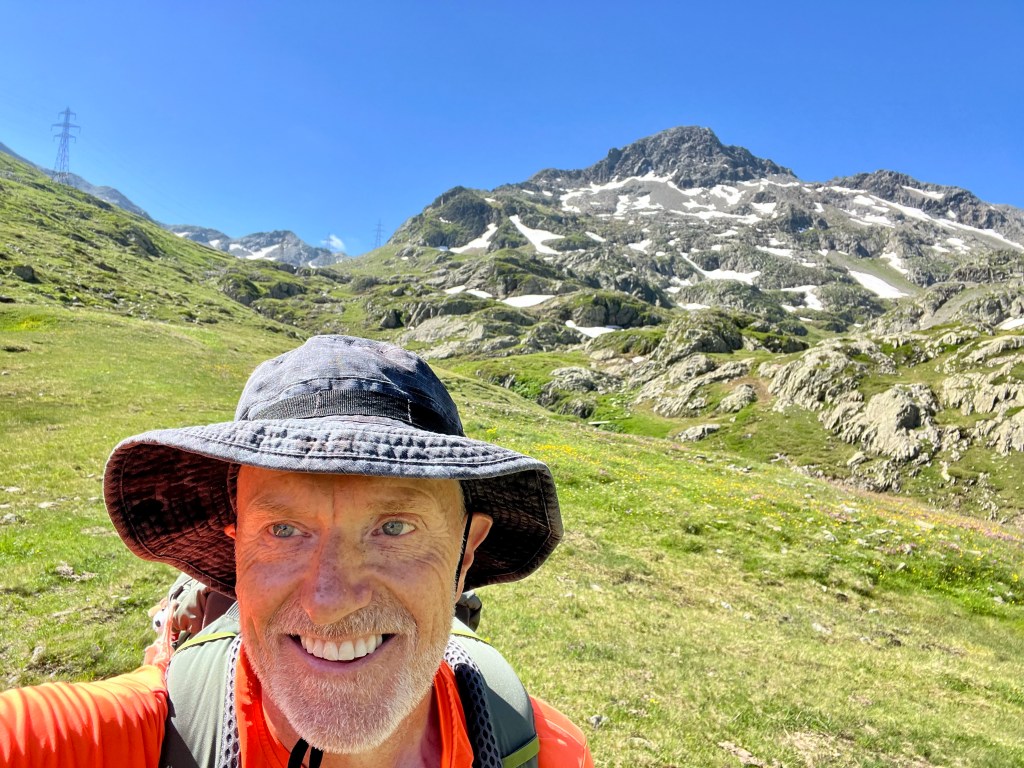
This section, though only 6 to 7 miles long, was absolutely punishing. I climbed over 1,000 meters (more than 3,300 feet) in a single push, with barely a flat stretch to rest my legs. Easily the most physically demanding segment of the journey so far—my legs and lungs burned the entire way up.
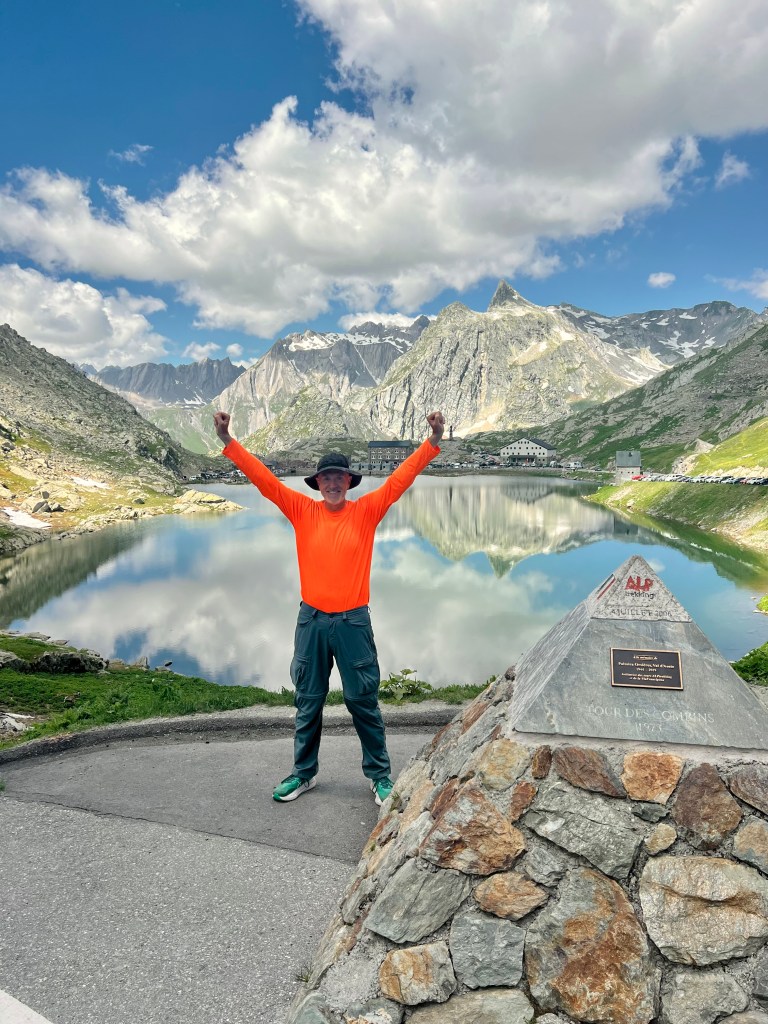
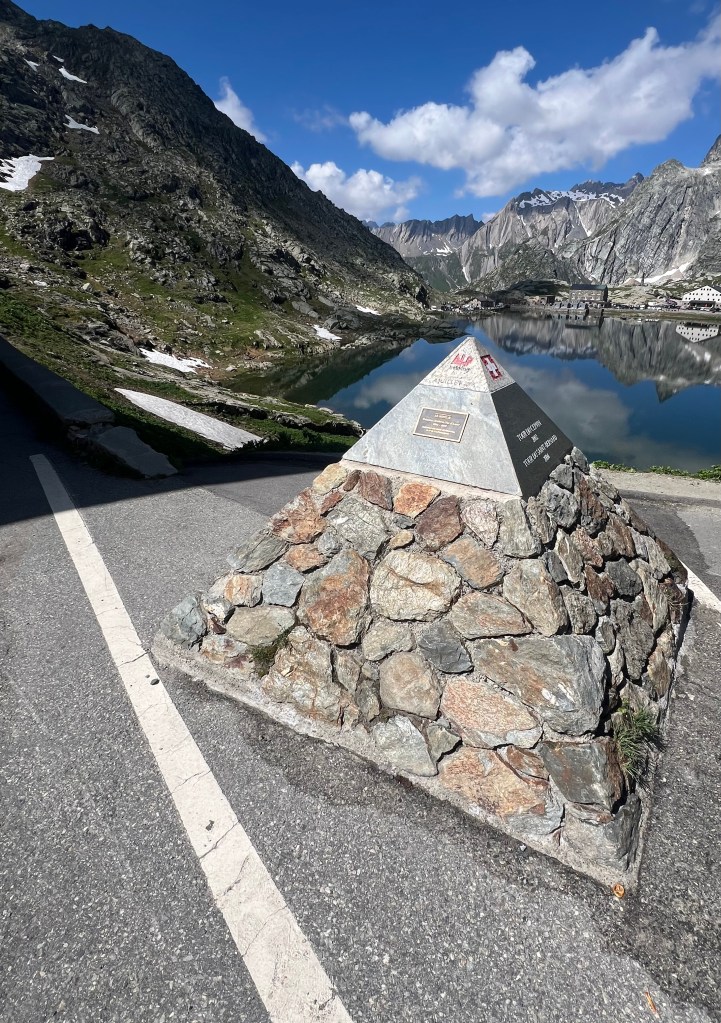
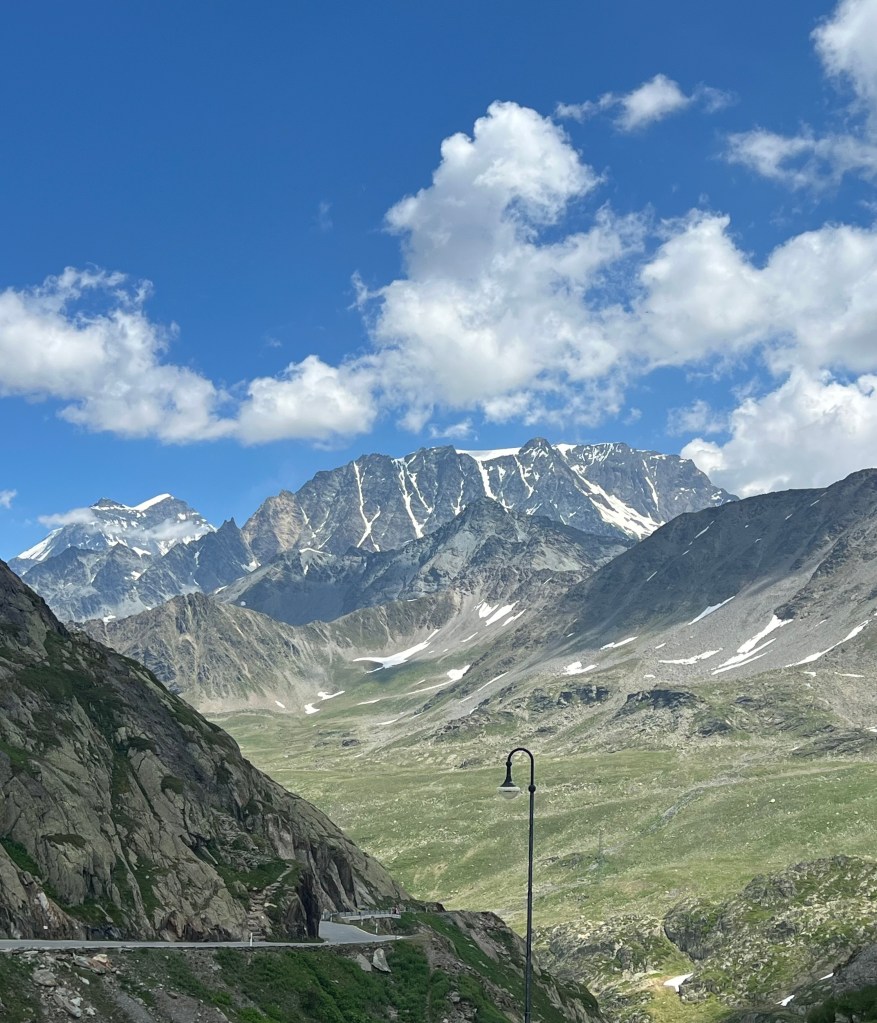
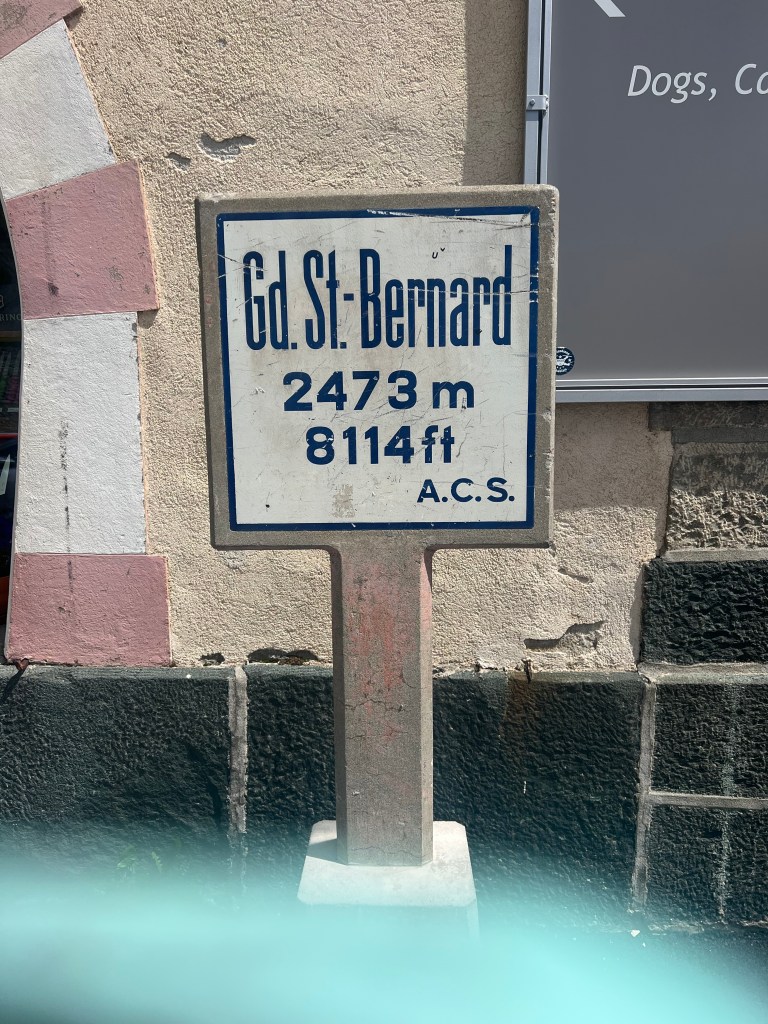
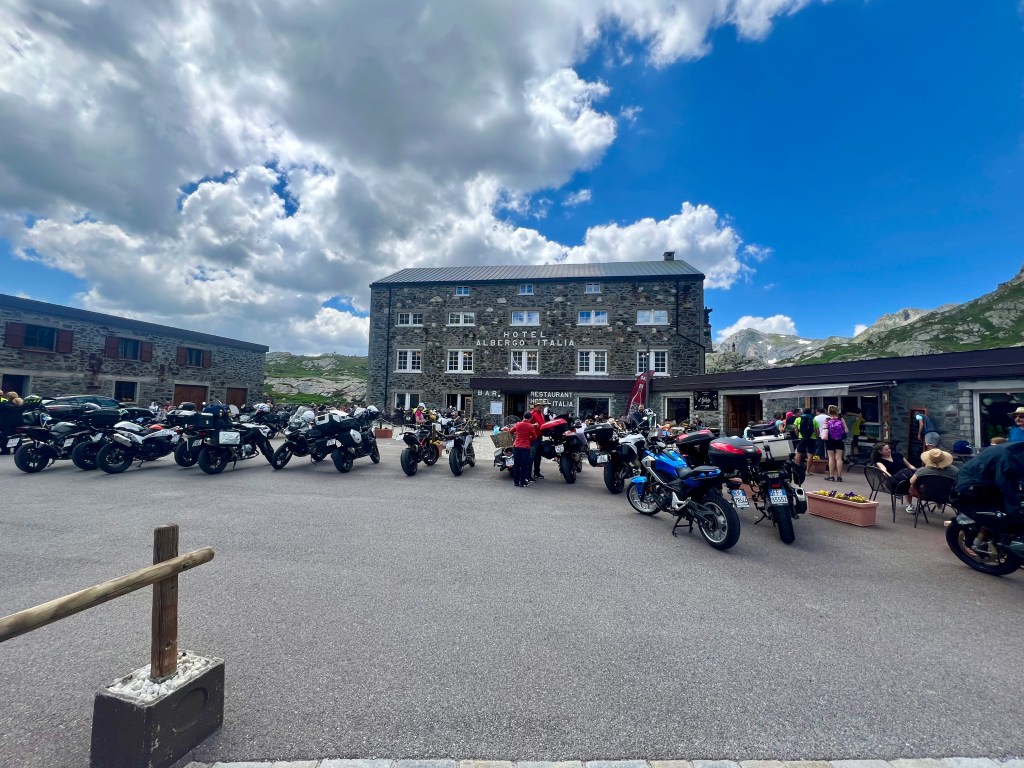
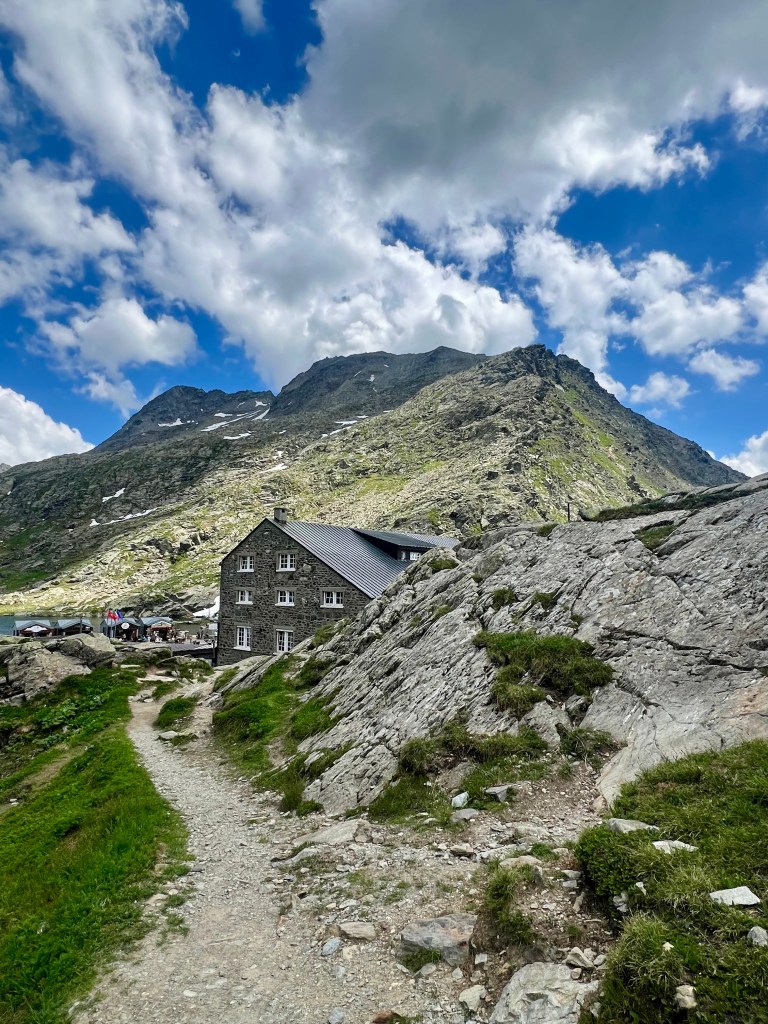
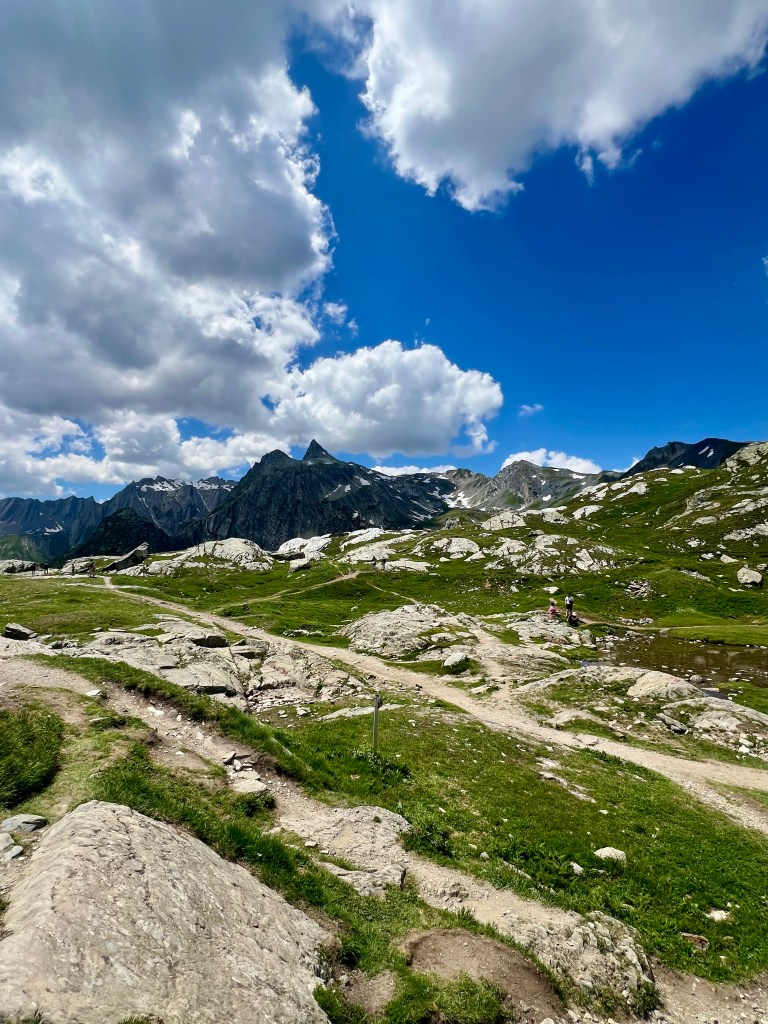
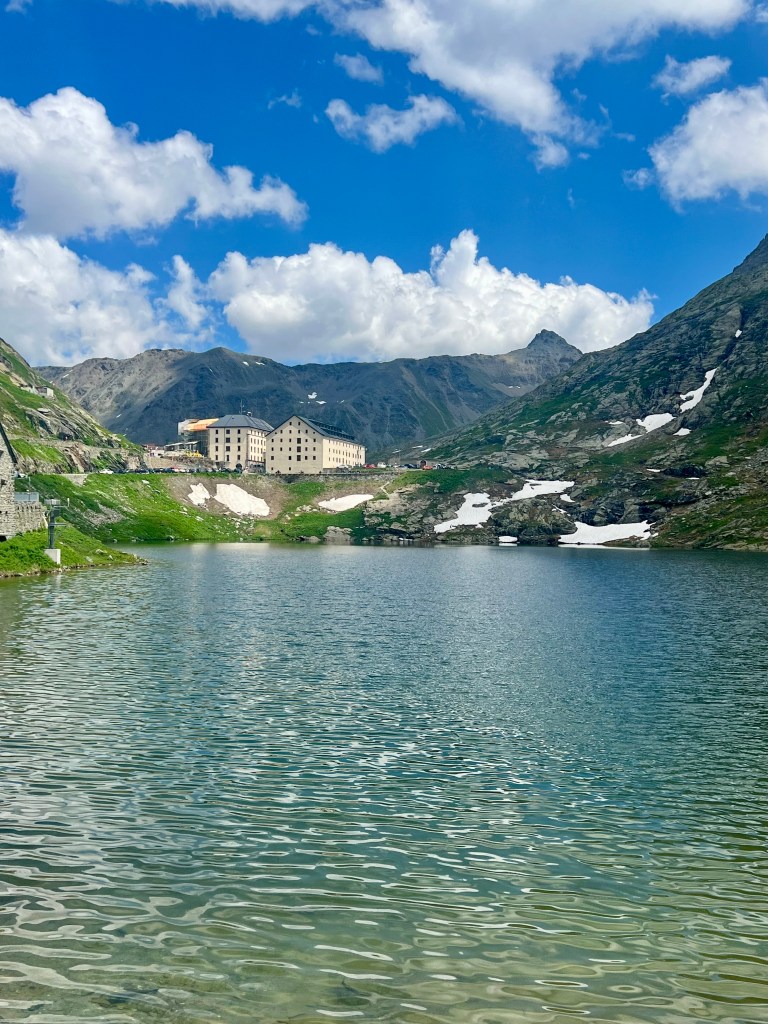
Reaching the Great St. Bernard Hospice felt monumental—not just physically, but emotionally. Cresting the pass, surrounded by snow-capped peaks, I arrived at the historic hospice that has welcomed travelers for over a thousand years. It’s surreal to walk in the footsteps of pilgrims, soldiers, and wayfarers dating all the way back to Roman times.
A Note on the Hospice
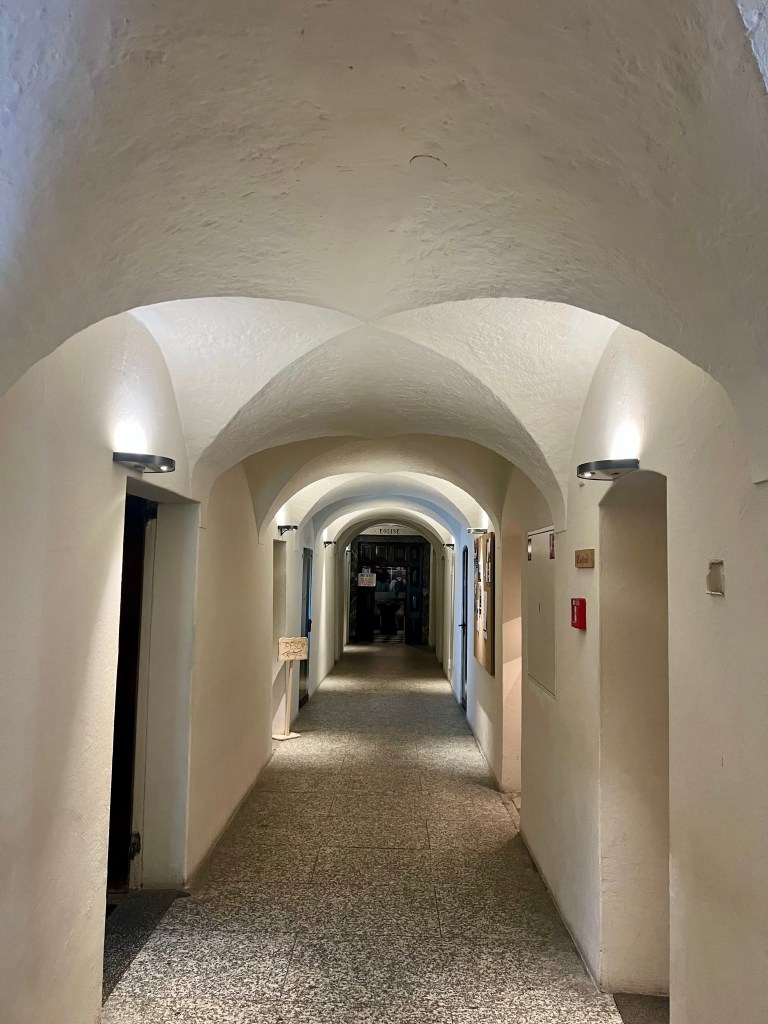
The Great St. Bernard Hospice (where I’m staying tonight) was founded in the 11th century by Saint Bernard of Menthon. Its mission: to provide shelter to those making the dangerous crossing through the Alps. That tradition of hospitality continues today, upheld by the Canons Regular of Saint Augustine.
This place isn’t just a refuge—it’s a spiritual and cultural landmark. Perched at 2,469 meters (8,100 feet), the hospice has seen everything from Napoleon’s army to modern hikers like me, grateful for its warmth and welcome after a long ascent.
The Famous Dogs
The legendary St. Bernard dogs—once bred and trained here to rescue lost travelers in deep snow—are part of the hospice’s long history. While they’re no longer active in rescues, a few still live here during the warmer months, greeting visitors and carrying on their iconic legacy.
Today’s hike was grueling—but the reward? Absolutely worth it. I arrived at the hospice physically spent and emotionally full. This place, this milestone—it’s unforgettable. A hard-earned moment of arrival after a climb that tested every part of me: my endurance, my resilience, my will.
I’ll never forget today. And yes—I shall celebrate tonight! Next stop Italy!




 Lord Colliers Active Retirement Life
Leave a comment