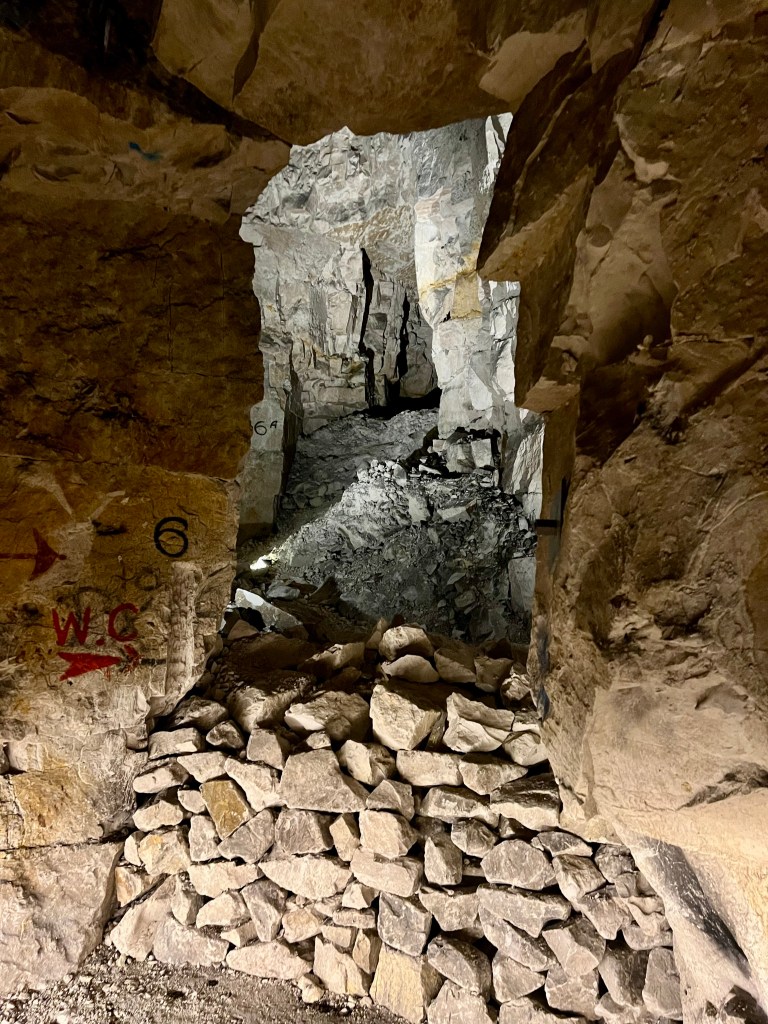
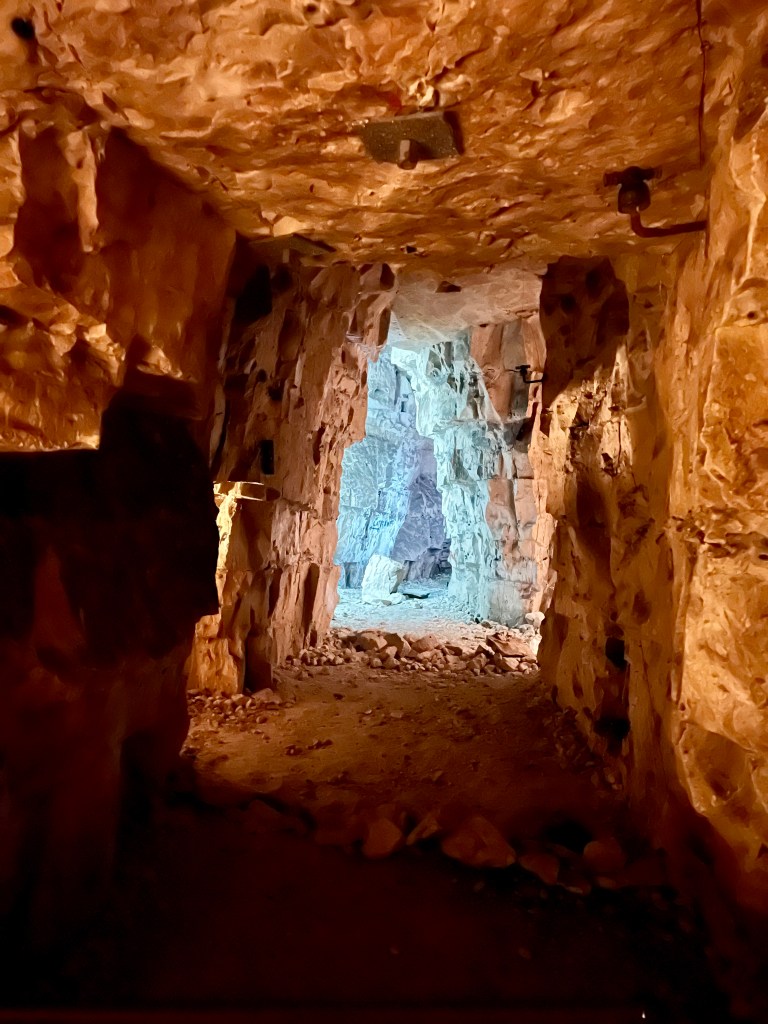
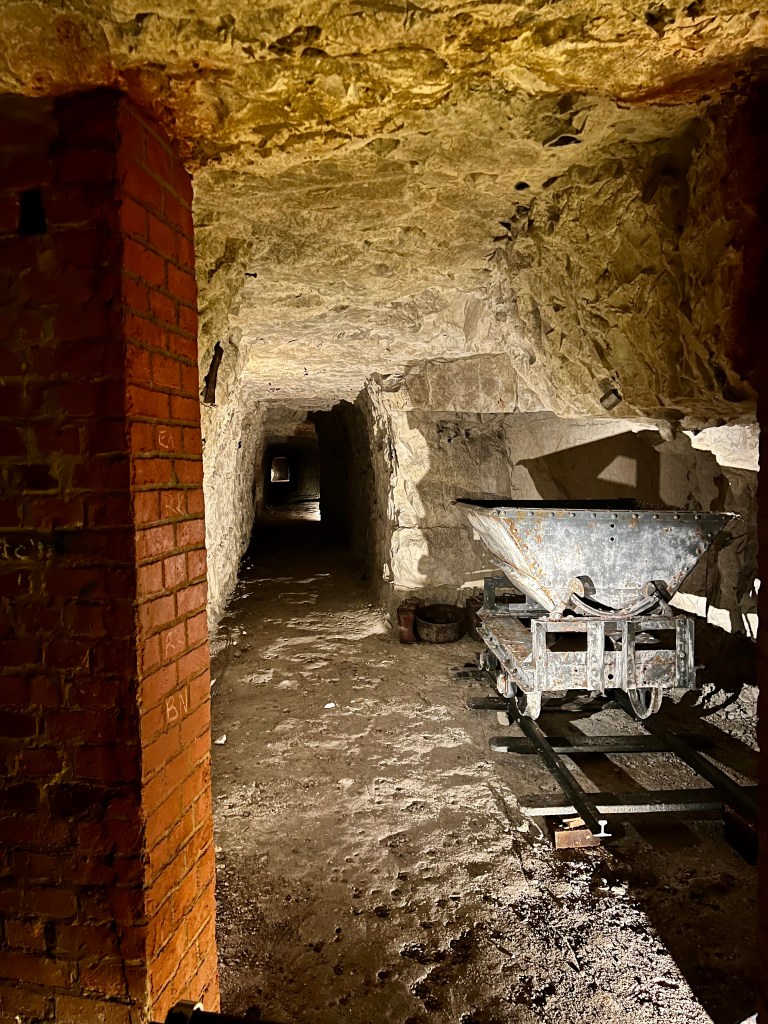
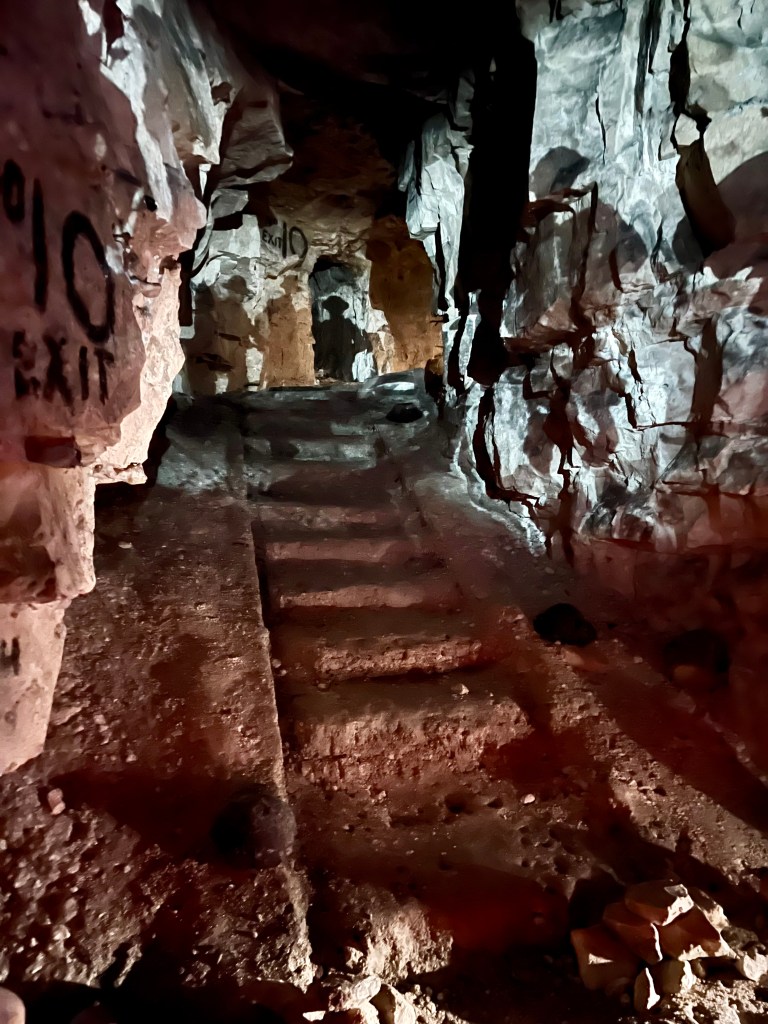
This morning began in Arras under clear blue skies. The streets buzzed with life as people went about their business. The town itself is a charming blend of elegant squares, distinctive Flemish gables, and a gentle, inviting rhythm. Yet, it’s what lies beneath Arras that leaves the most profound impression. During World War I, Arras was the stage for one of the conflict’s most daring and intricate operations. Beneath the town’s surface, a vast network of medieval chalk tunnels was expanded by British and New Zealand forces into an extensive underground city.
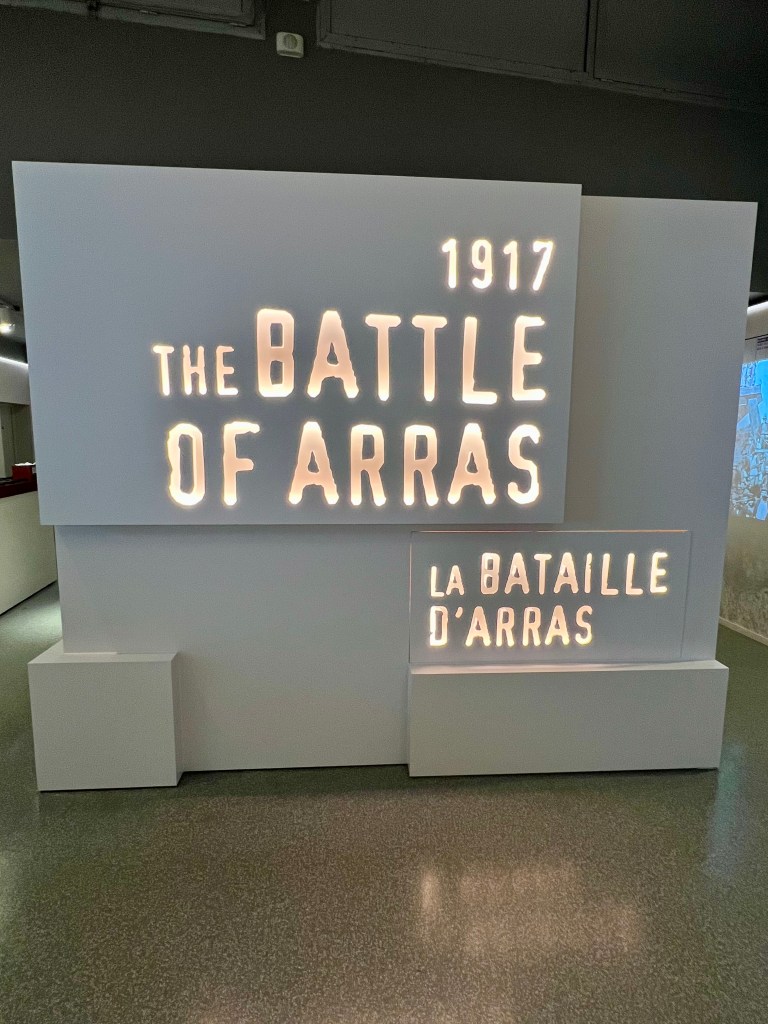
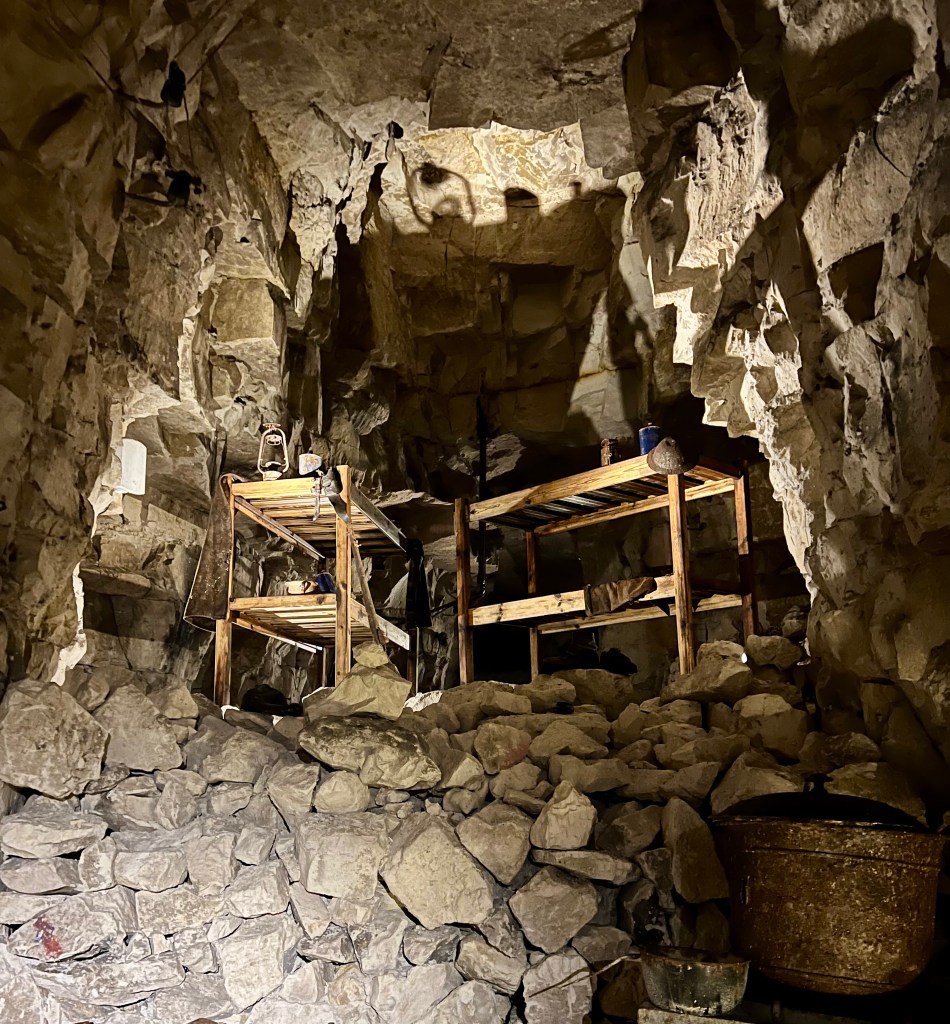
In the lead-up to the 1917 Battle of Arras, thousands of soldiers were concealed here—some quarters even equipped with electricity, hospitals, and command rooms—waiting for the signal to rise and strike.
When the moment came, troops surged out in a coordinated assault, synchronized with artillery fire and explosions above, catching the German forces off guard. This remarkable feat combined engineering brilliance with military precision. But beyond the tactics lies a deeply human story: a testament to collaboration across the British Empire, uniting expert tunnelers from New Zealand, alongside soldiers from Ireland, Scotland, Canada, India, South Africa, and more, all working together beneath the earth.
This history is a powerful reminder of war’s demands—and of the resilience and unity it can inspire. I’ve included some pictures and videos I took within the caves to share this incredible experience.
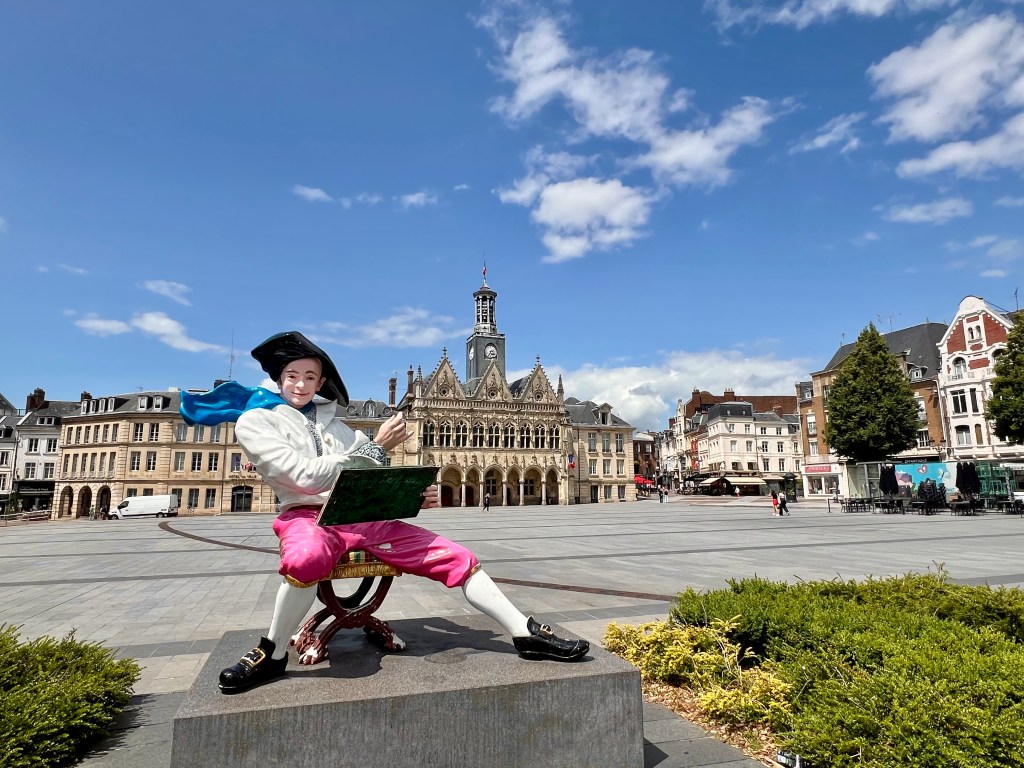
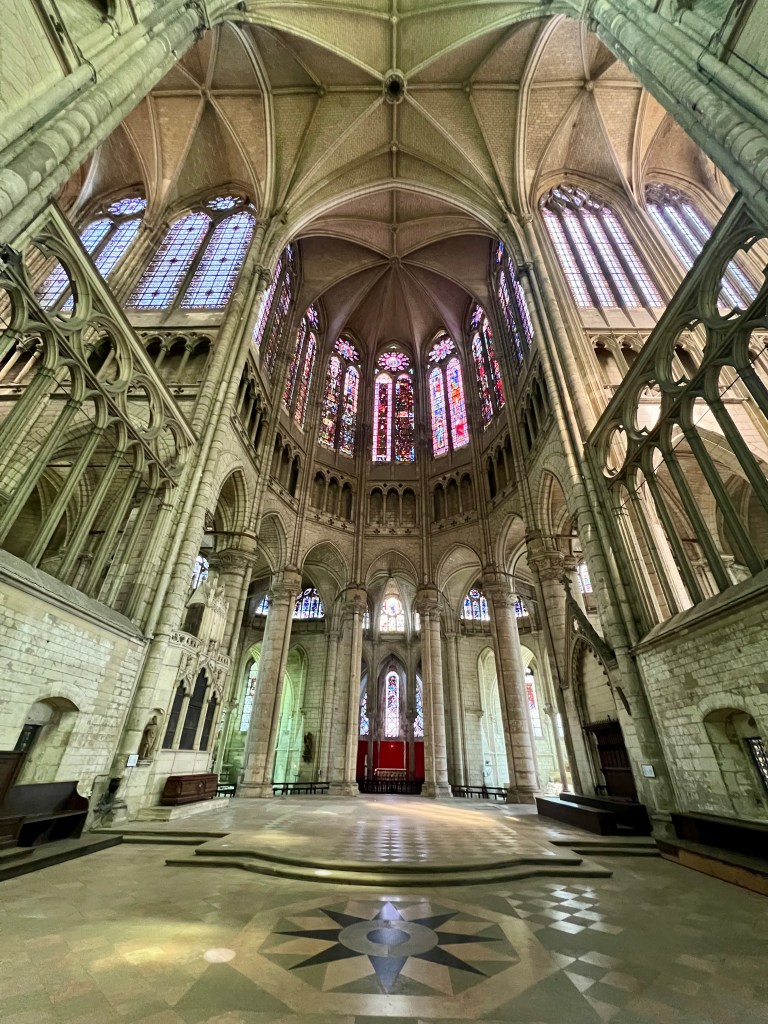
Saint-Quentin: Quiet Elegance and Subtle Surprises. Later in the day, I arrived in Saint-Quentin, a town whose quiet charm unfolds gradually rather than shouting for attention. At its heart stands the Basilica of Saint-Quentin, a soaring Gothic landmark marked by centuries of history and scars from both world wars. Inside, its calm vaulted spaces invite moments of silence and reflection. But the true architectural surprise of Saint-Quentin lies in its Art Deco flair. After heavy destruction in WWI, much of the town was rebuilt in the style of the 1920s. Around Place de l’Hôtel de Ville, bold geometric lines and intricate details of the Art Deco period contrast beautifully with the Gothic grandeur of older buildings.
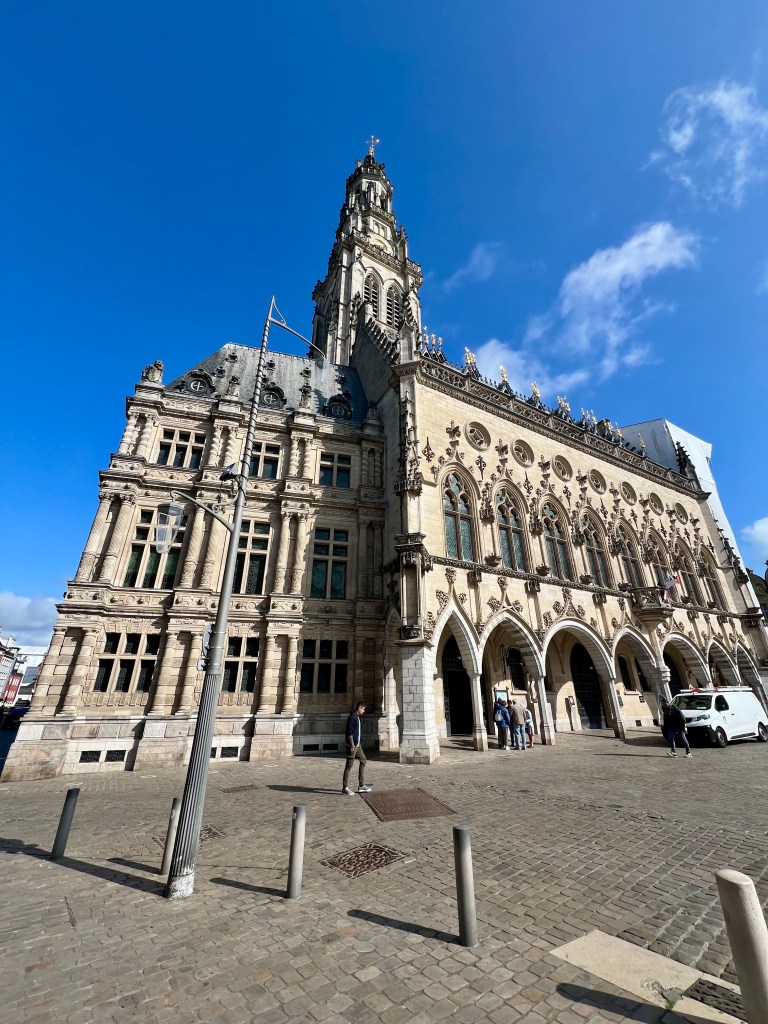
The Town Hall itself is a highlight—its ornate Gothic façade, carved figures, and tall belfry give the square a stately presence. Just a short stroll away, the Canal de Saint-Quentin offers a peaceful retreat with its slow-moving waters and tree-lined paths.
Final Thoughts
From the hidden depths beneath Arras to the quiet elegance of Saint-Quentin’s streets, this corner of northern France brims with stories—some etched deep into chalk tunnels, others whispered through architecture and art. Neither town clamors for attention, but both reward those who pause and look closer, revealing layers of history, resilience, and beauty.














 Lord Colliers Active Retirement Life
Leave a comment