Wissant to Guînes to Licques
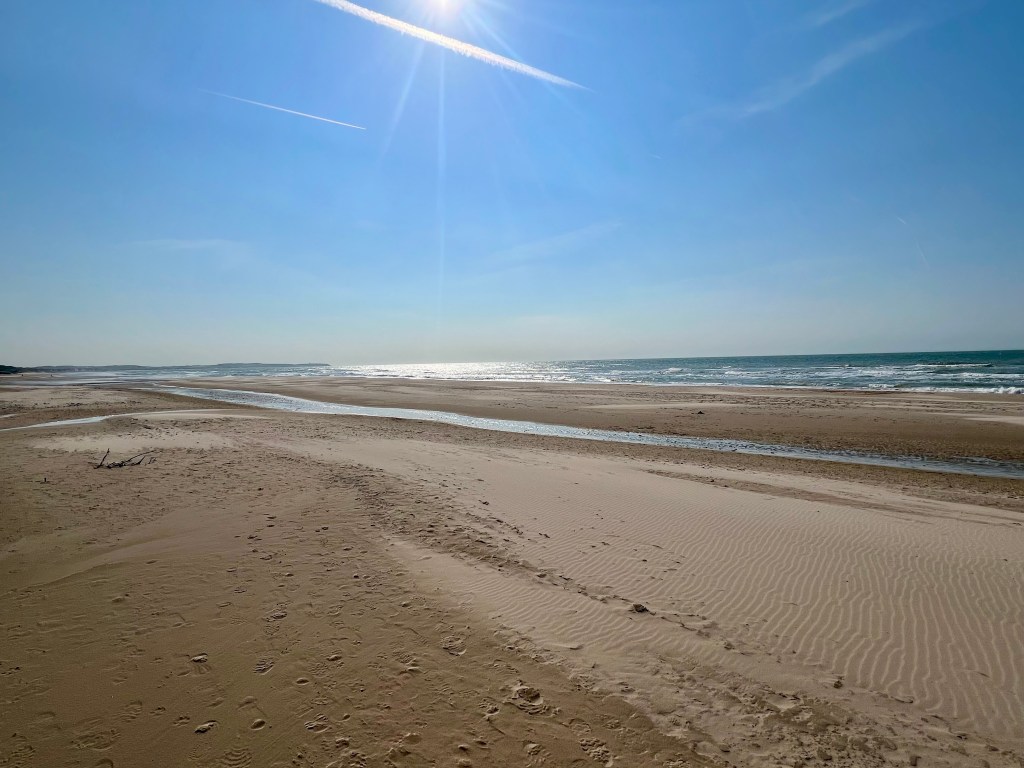
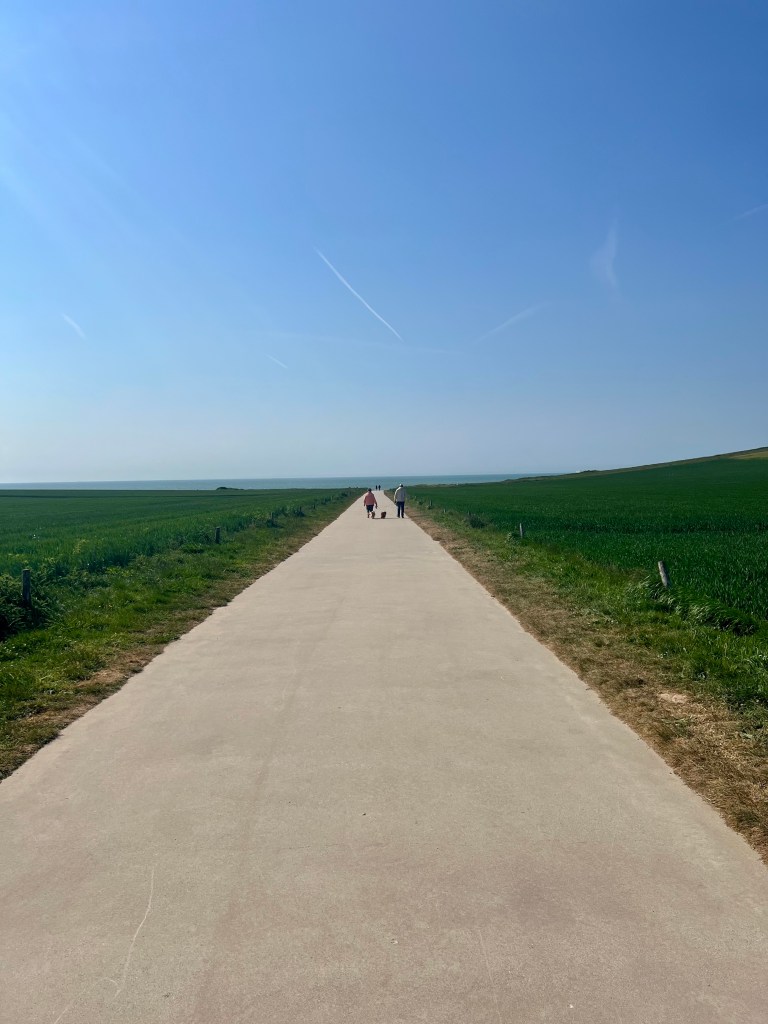
Travel log Day 3 – The day began with a breakfast of champions—a chocolate éclair! I grabbed a sandwich for the road and set off under a cool morning sky, with sunshine beginning to break through as I moved inland from Wissant toward Guînes and then on to Licques.
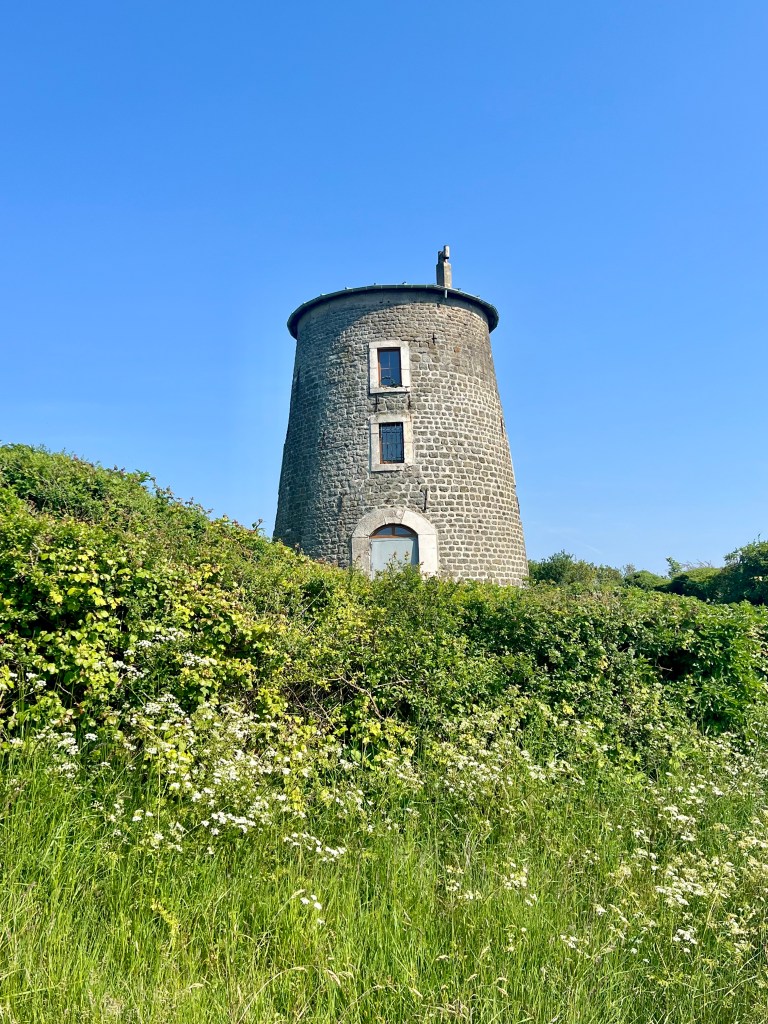
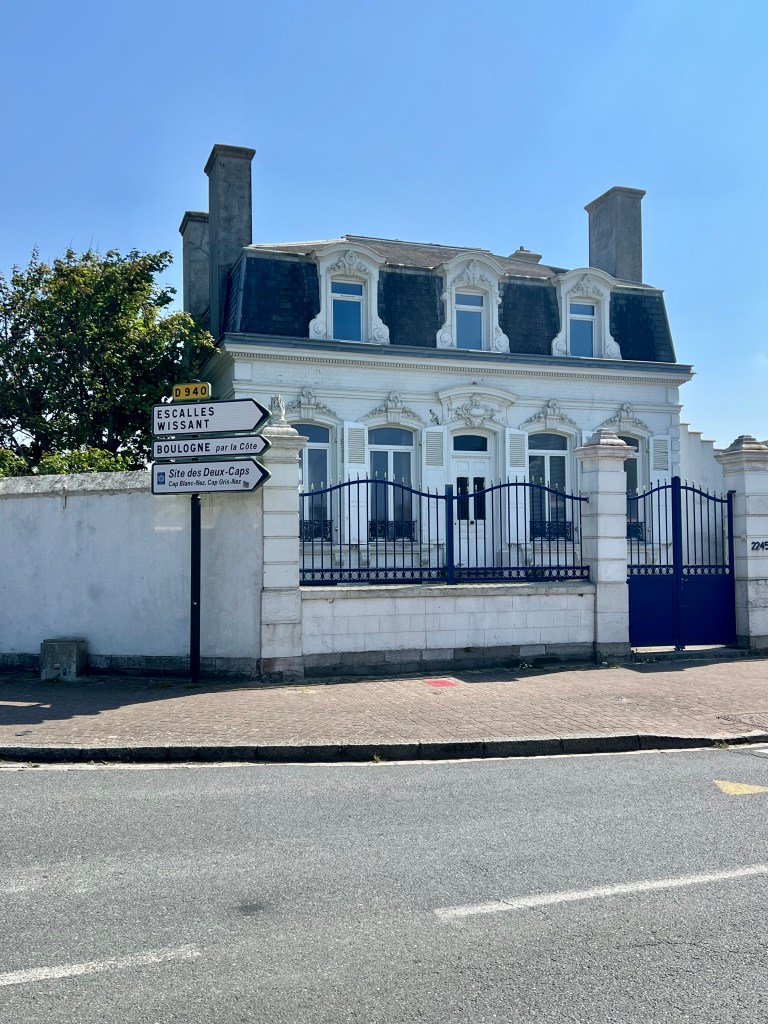
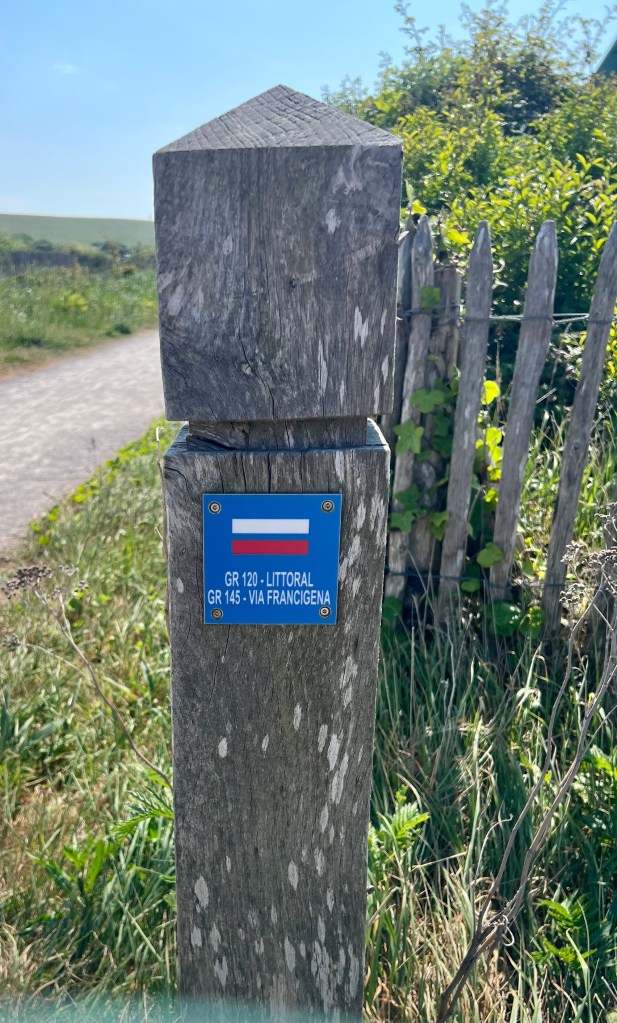
The journey revealed more than just beautiful countryside—I was genuinely surprised by the amount of new development in these rural towns, even miles inland from the coast. Modern housing is quietly reshaping these communities, blending into landscapes steeped in history. Yet it’s also clear that infrastructure for long-distance walkers—especially those following the Via Francigena—is lacking. Unlike the Camino, there’s little signage and few hostels or pilgrim-focused services. With better waymarking and accommodation, this could become a truly rewarding and accessible route.
Tonight I’m camping in Licques, and the setup is fantastic. The tent is fully equipped—electricity, TV, and even a gas stove. It’s more like a tiny home than a tent, and a great way to wrap up the day.
Guînes was a fascinating stop, once a powerful stronghold and the site of the 1520 Field of the Cloth of Gold summit between Henry VIII and Francis I. The town’s Tour de l’Horloge is an impressive museum housed in an 18th-century clock tower, exploring everything from Viking roots to royal diplomacy. Further inland, Licques is best known for its prized turkeys, a tradition started by 17th-century monks. The village retains its peaceful, pastoral feel, anchored by the remains of its 11th-century abbey and celebrated each year with a lively Turkey Festival. This inland stretch may be under the radar for many travelers, but it holds a quiet depth, rich in history and potential.




 Lord Colliers Active Retirement Life
Leave a comment